

To address the insufficient accommodation capacity of Cittaducale, by Ministerial Decree of 5 July 1962 the “School for Trainee Non-Commissioned Officers and Forestry Guards – Sabaudia (LT) Branch” was established. From its very beginnings, the School hosted all types of courses (initial training, refresher or specialization), both for the professional roles of the State Forestry Corps (C.F.S.) and for other personnel, contributing to the training process and supporting the activities carried out by the School of Cittaducale.
The School was established in the magnificent setting of the Circeo National Park, created thanks to the conservation efforts of the National Forestry Militia. This was a period marked not only by major land reclamation works in the Pontine Marshes, but also by the clearing of the Terracina forest, both actions aimed at creating extensive agricultural areas managed through a system of farmsteads and new towns. Concern that the clearing of the forest would lead to the disappearance of one of the most beautiful and interesting natural areas in the country prompted the Forestry Administration to undertake decisive action to safeguard and protect the territory. This effort culminated in a collegial meeting convened by Mussolini, attended by Valentino Orsolino Cencelli of Rieti, President of the Opera Nazionale Combattenti—entrusted with the task of reclaiming the Pontine Marshes—and by Augusto Agostini, Commander General of the National Forestry Militia (M.N.F.). On that occasion, it was decided that a large portion of the Pontine territory outside the forested area would be granted to the Opera Nazionale Combattenti, while the most suitable and best-preserved forest area (over 3,000 hectares) was placed under the management of the State Forestry Agency, marking a major victory for the foresters. Agostini, satisfied with having saved the finest part of the forest—which he later had transformed into the Circeo National Park by Royal Decree Law of 25 January 1934, no. 285—immediately initiated an experiment to drain surface waters. He recruited a large number of laborers, requested 300 trainee militiamen from Cittaducale, mobilized agency vehicles, forestry officers, agronomists and engineers to oversee the works. The first administrator of the Circeo forest was Centurion Alberto Camaiti, who directed and designed the construction of the building that became the forestry administration headquarters, as well as the three fire lookout towers that still exist today.
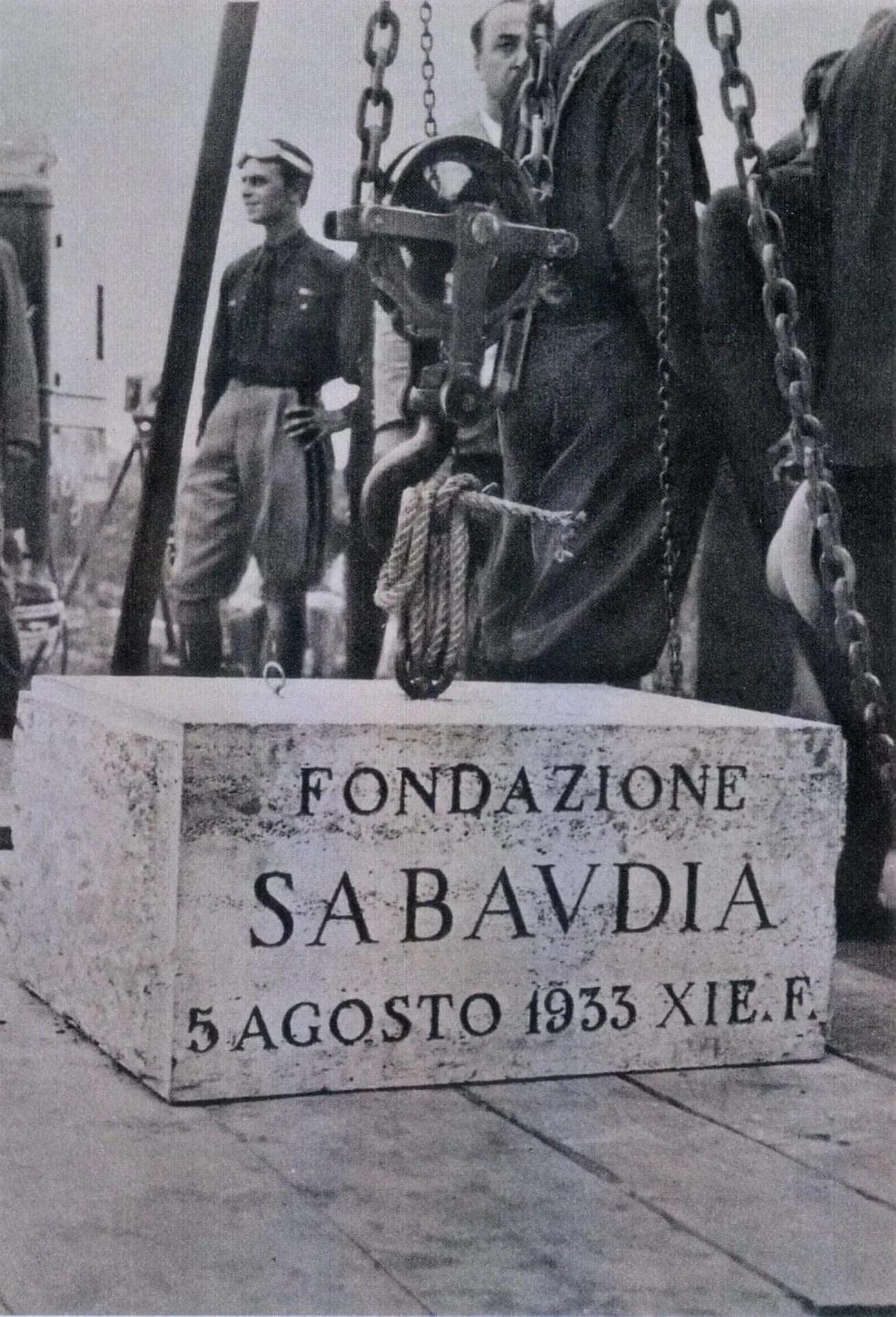
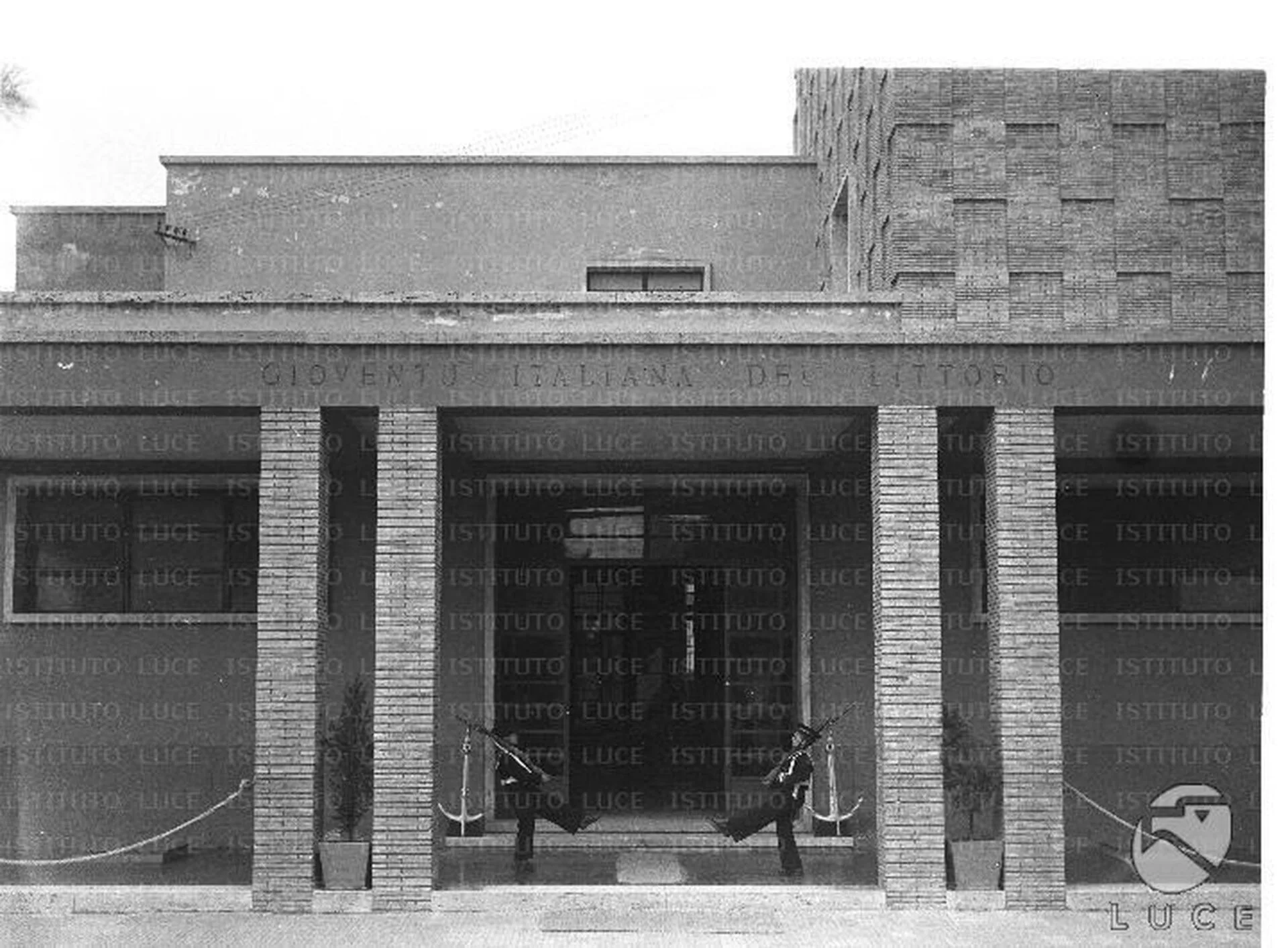
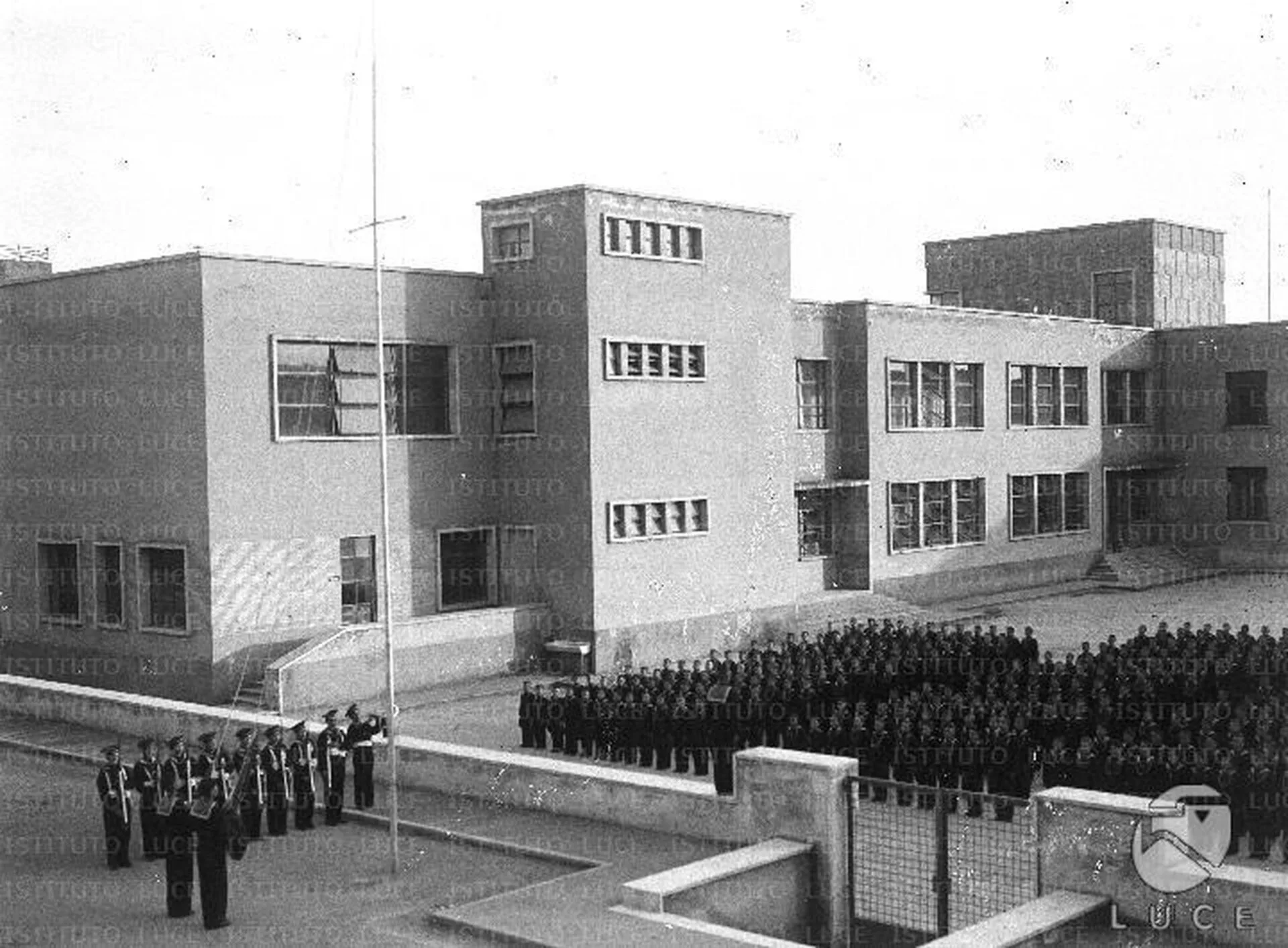
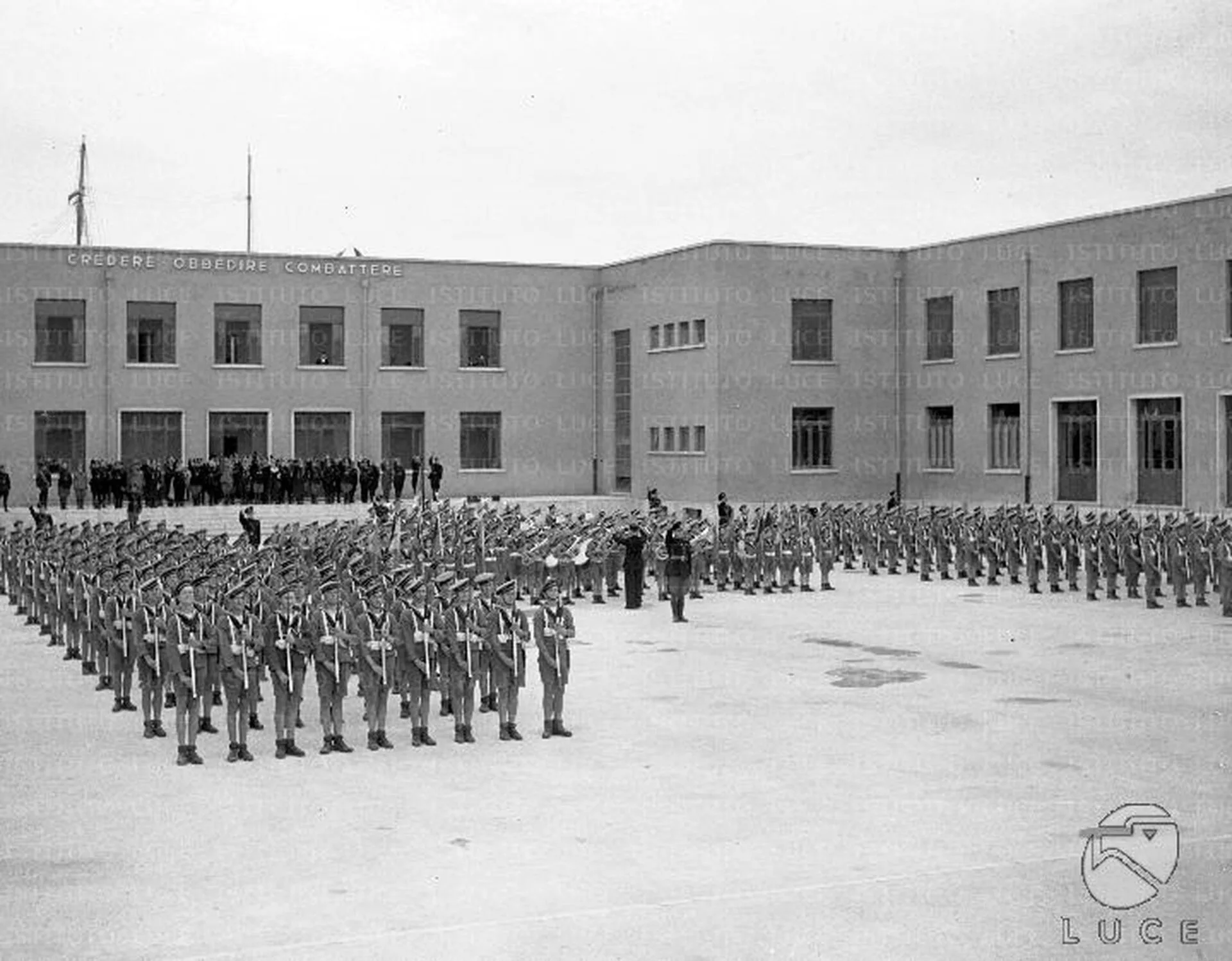
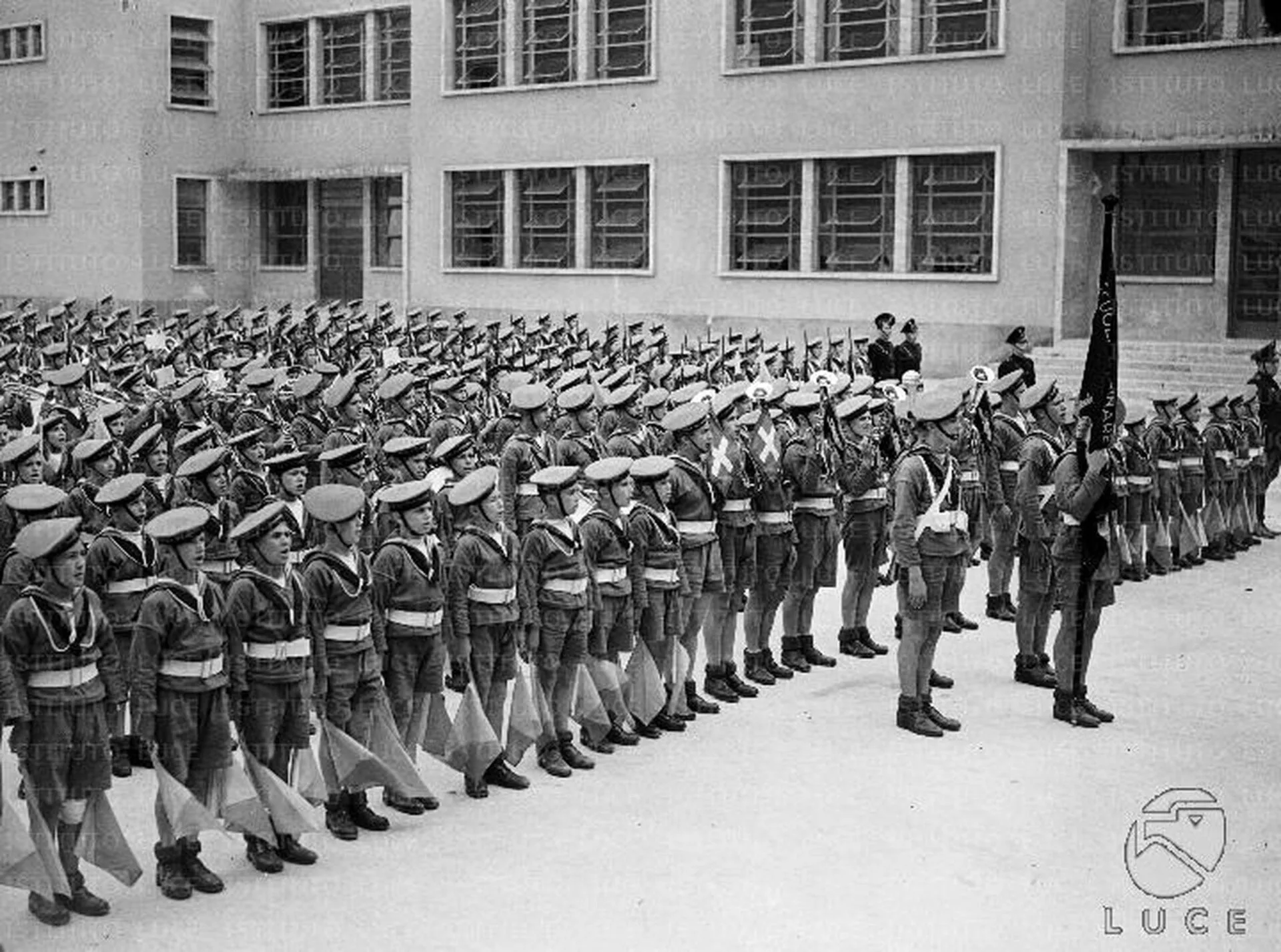
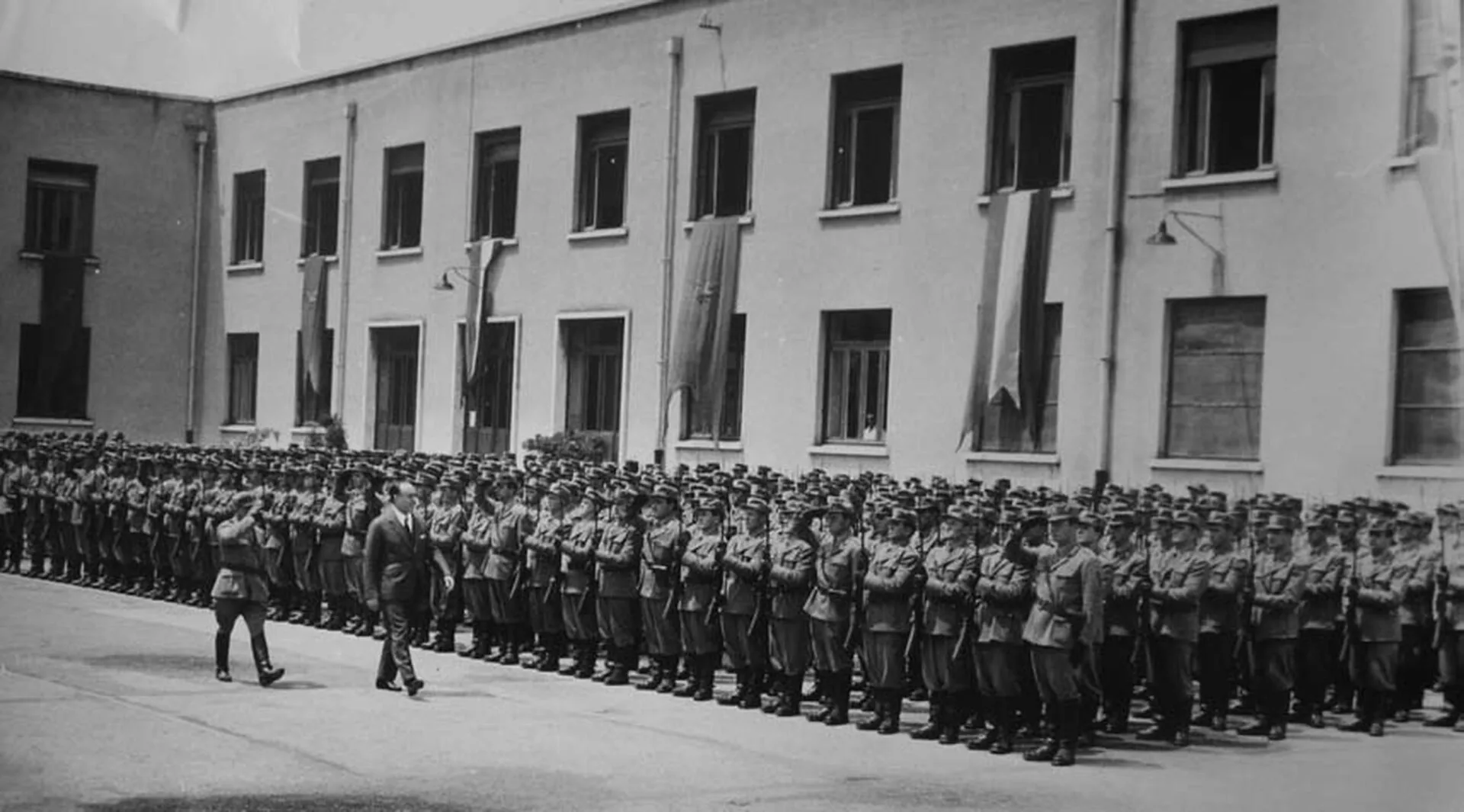
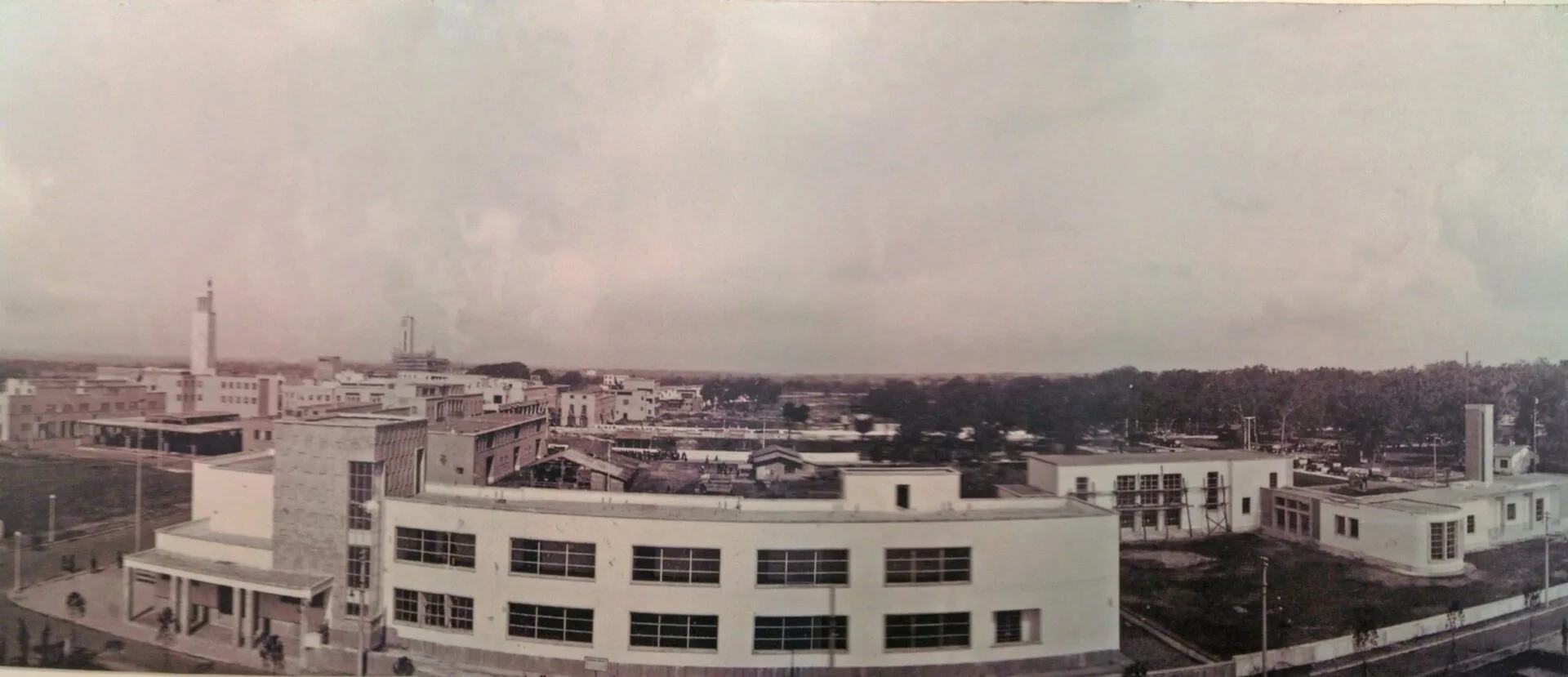
It is therefore thanks to the commitment of the foresters of that era that the School of Sabaudia stands on this site today. In particular, the School occupies the buildings of the former Nautical Institute, named after Admiral Francesco Caracciolo of the Italian Navy. The buildings that make up the entire complex, although modified and expanded at later times, date back to the founding period of the city of Sabaudia, made possible by the extensive land reclamation of the marshy Pontine territory carried out in the 1930s.
In the post-war period, the Maritime School—renamed the “Professional Maritime College”—provided free education and training to underage war orphans of the Navy.
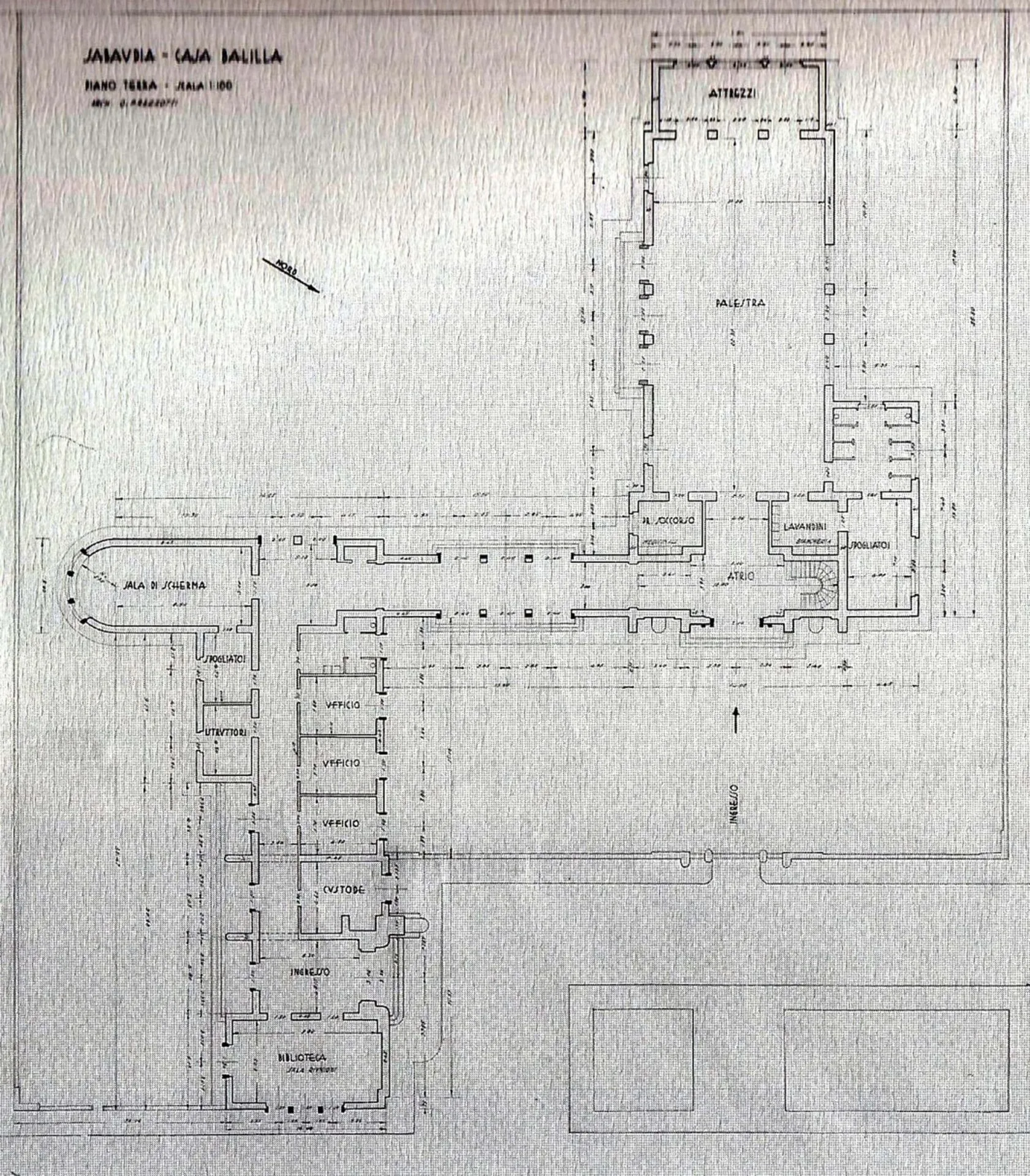
In the 1960s, following the significant increase in personnel of the State Forestry Corps—an environmental police force that was incorporated into the Carabinieri in 2017—it was decided to identify this site as a suitable facility for opening a school to support the one in Cittaducale, resulting in the transfer of the building from the Navy to the State Forestry Corps. Consequently, the General Directorate for Mountain Economy and Forests of the then Ministry of Agriculture and Forests transferred to Sabaudia, at the end of 1961, a small “contingent” of young forestry guards of varied backgrounds but all particularly experienced and motivated, who, with the collaboration of local workers, were tasked with restoring the entire structure to new life. The various rooms were adapted to new functional needs: the large gymnasium was converted into the School’s Aula Magna, capable of accommodating nearly 150 people; the fencing hall was deemed suitable for conversion into a small shop; the rooms on the first floor of the main building were designated as residential accommodation in a boarding regime (over 100 beds), while the ground floor housed classrooms for teaching and IT, the canteen and related services, the library, and various administrative offices.
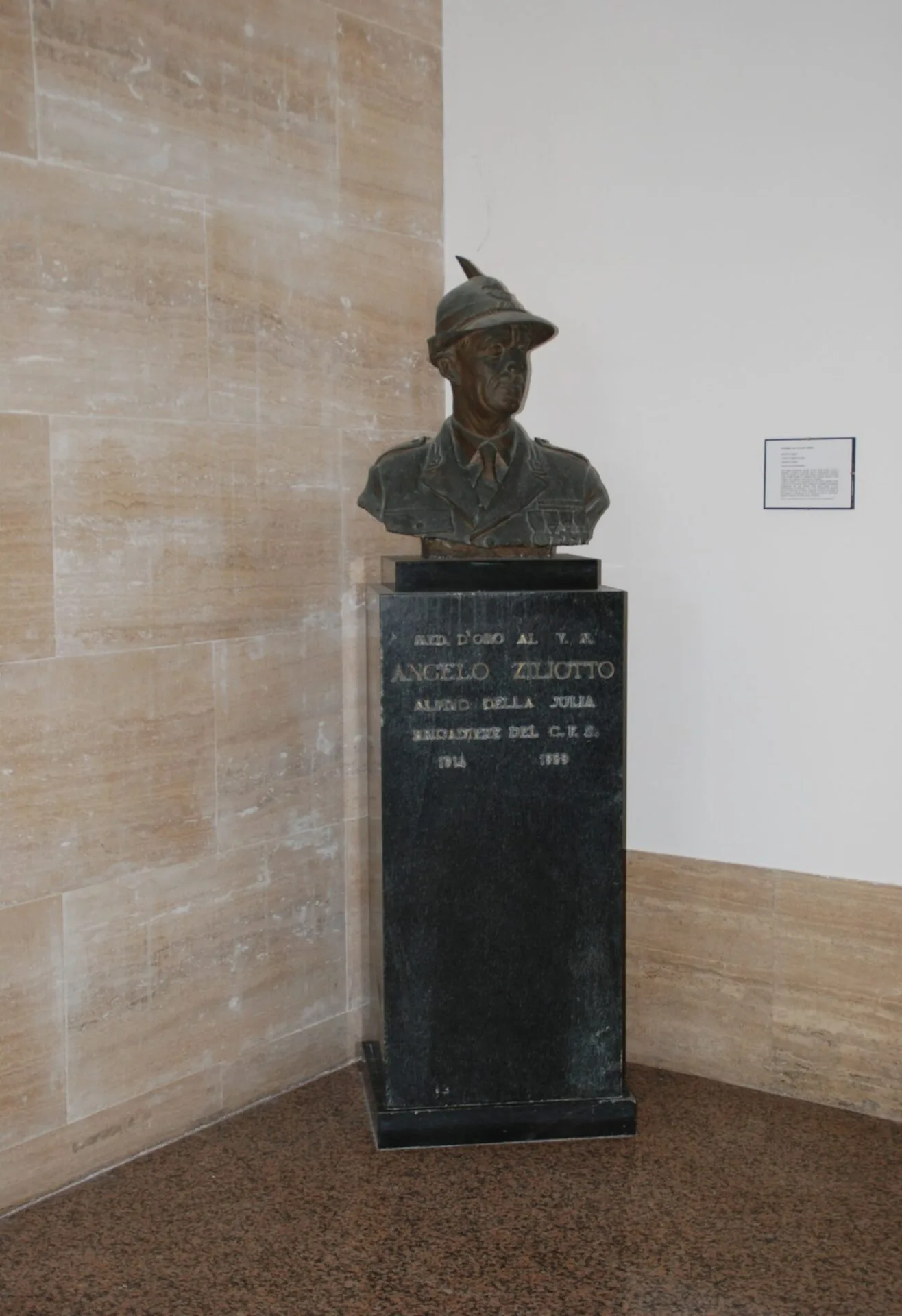
At the main entrance of the Sabaudia School, a commemorative bust was placed in honor of Forestry Brigadier and soldier of the 9th Alpine Regiment Angelo Ziliotto, Gold Medal for Military Valor during the Second World War on the Russian front.
On 1 May 1962, the Sabaudia School Section began its training activities for forestry personnel with the 25th “Alps” Course.
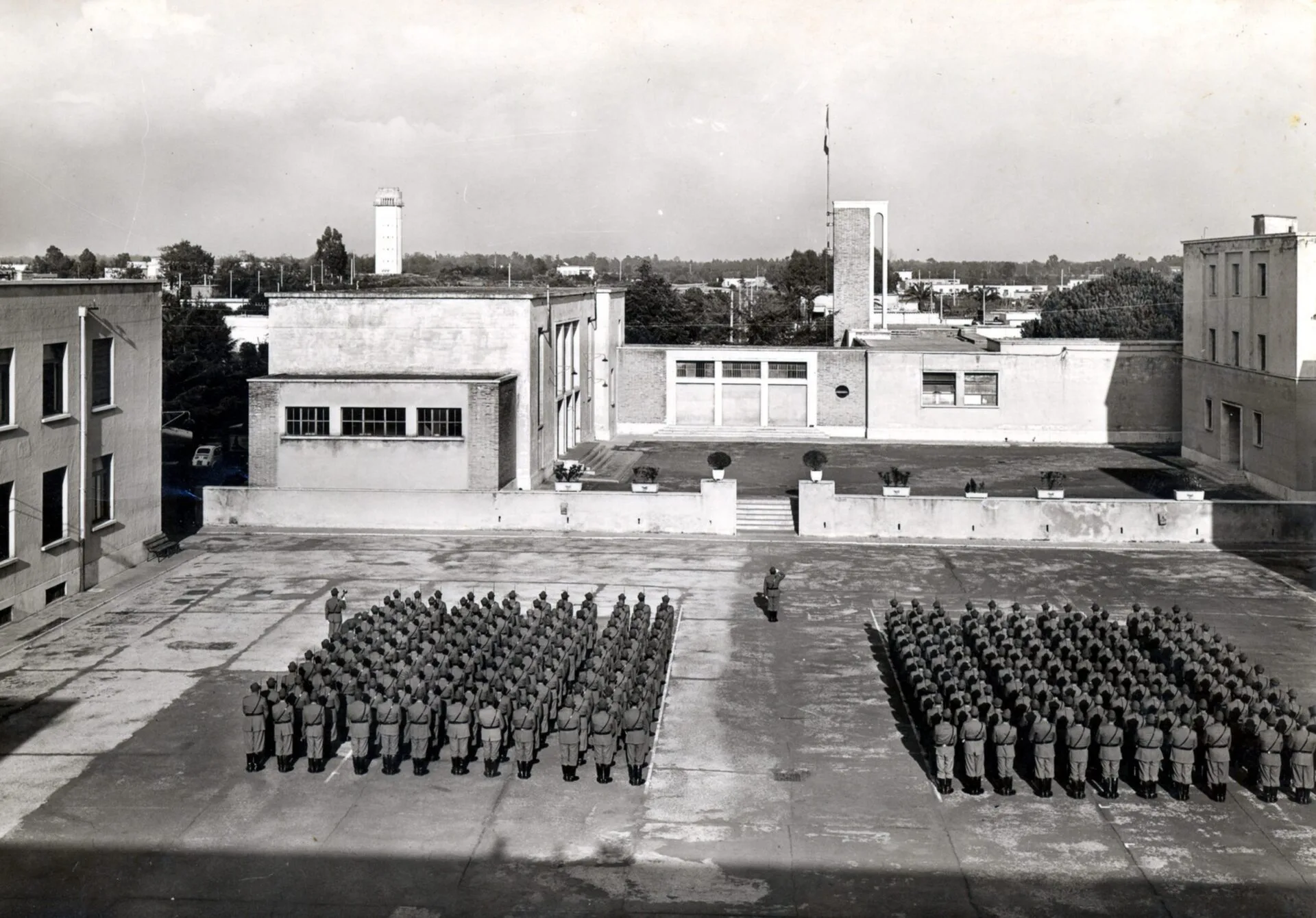
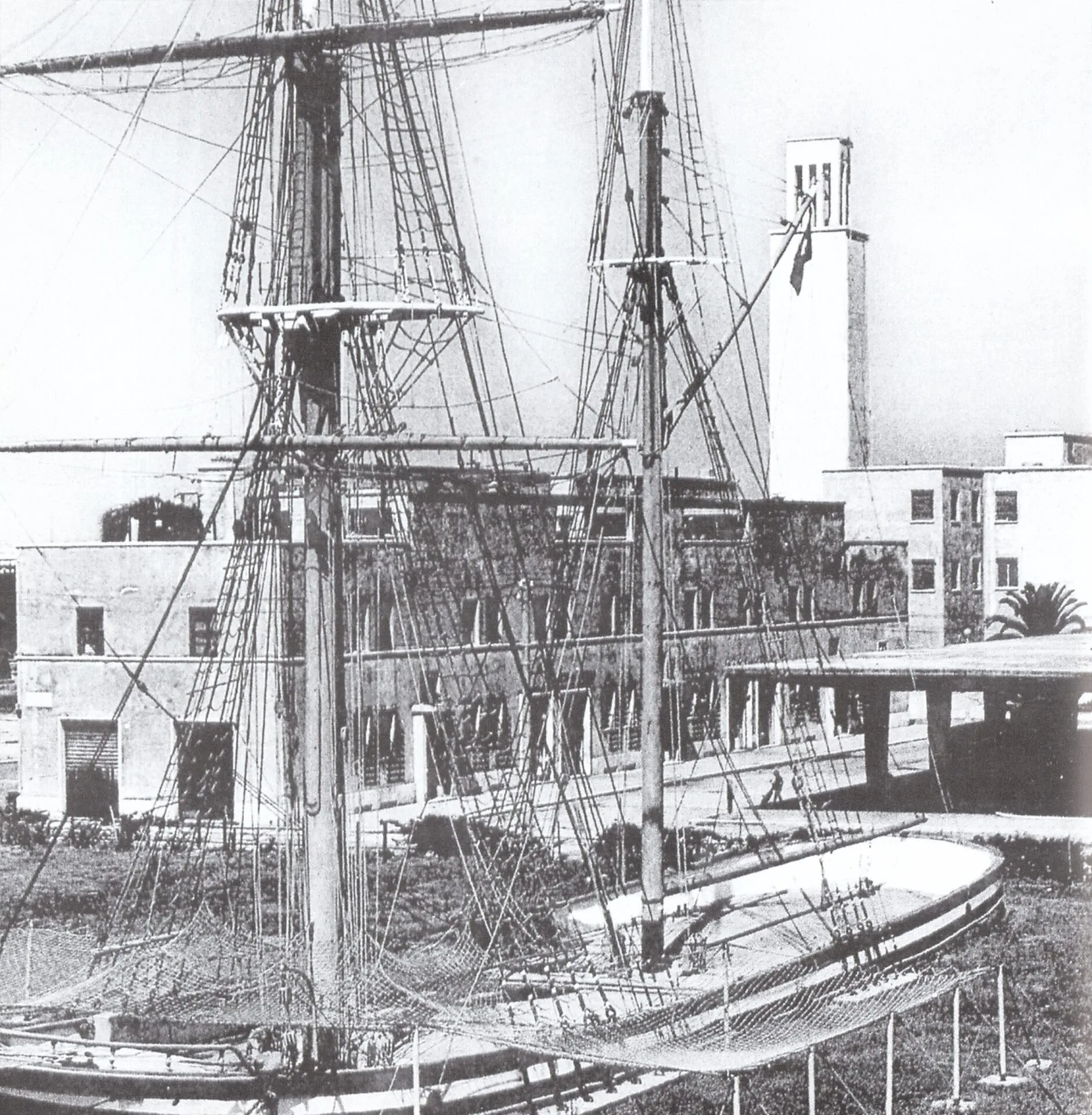
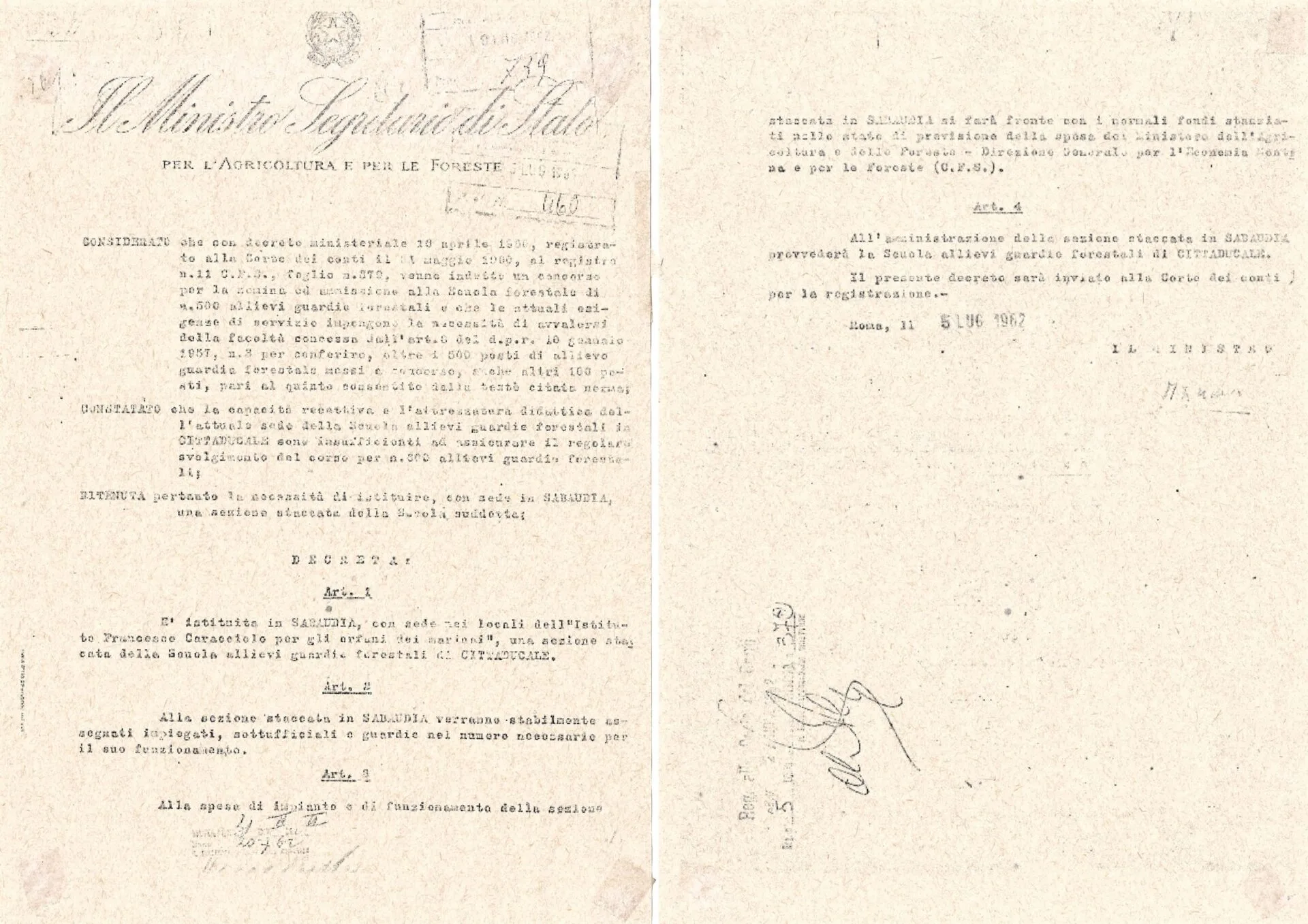
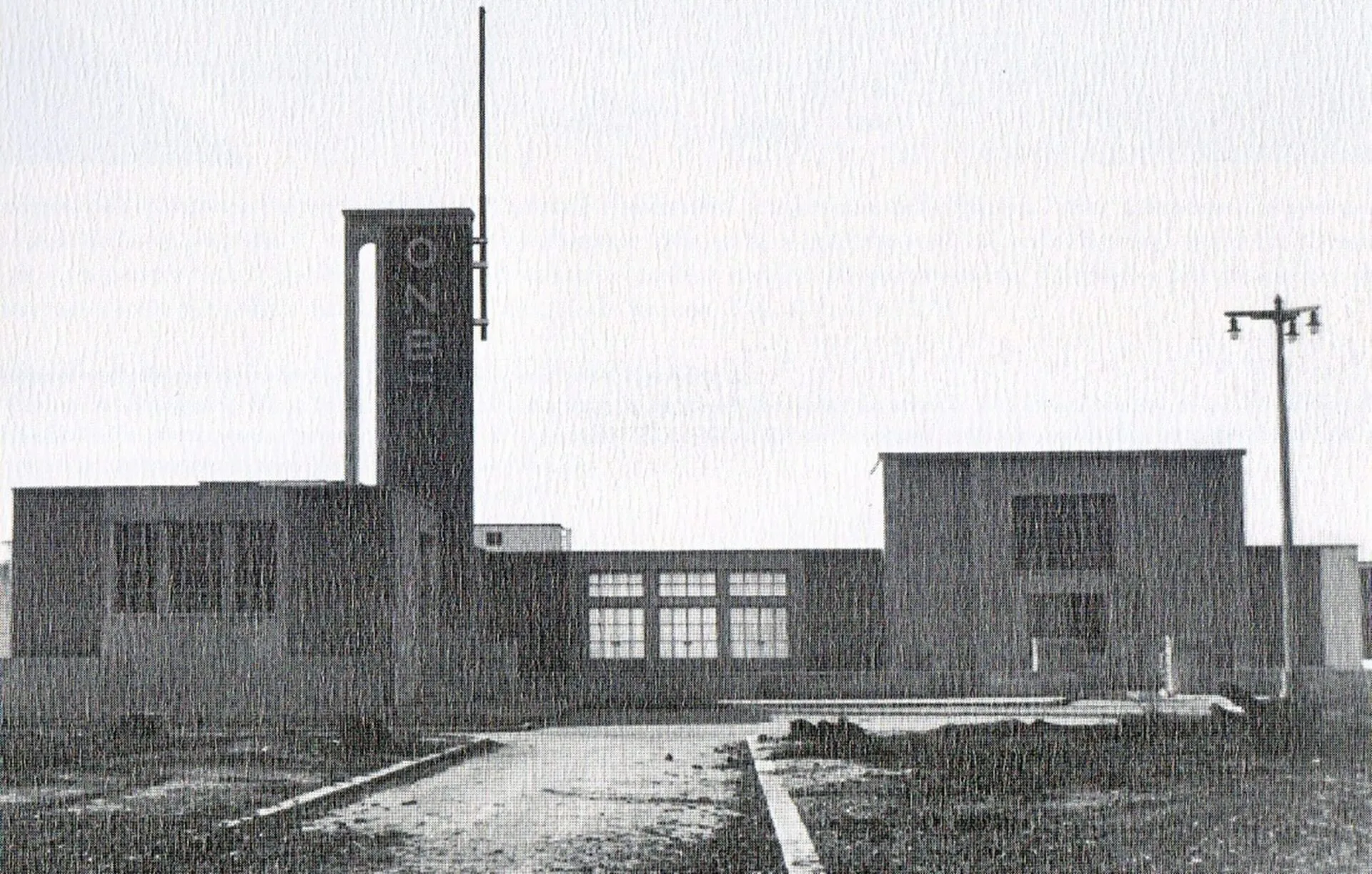
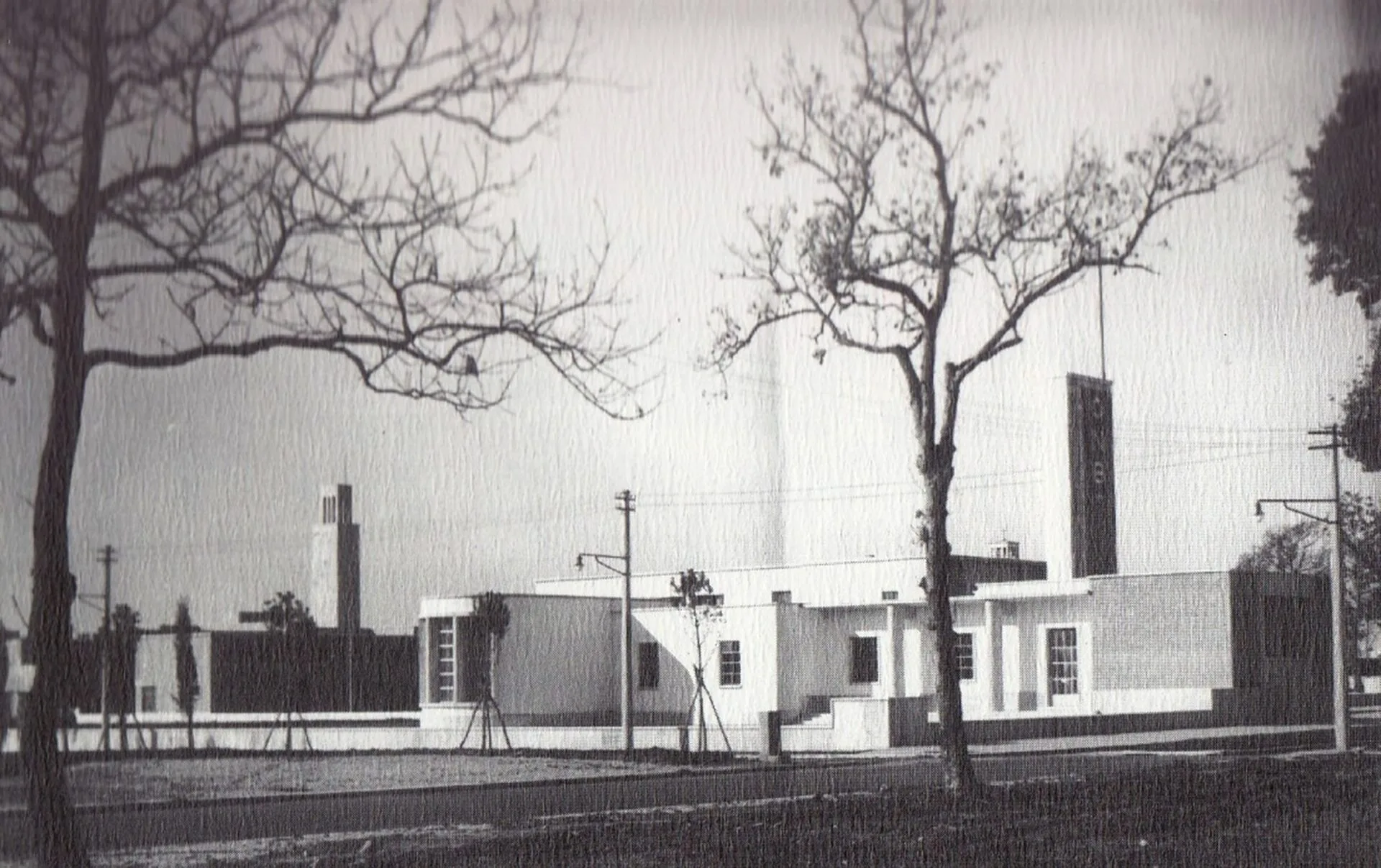
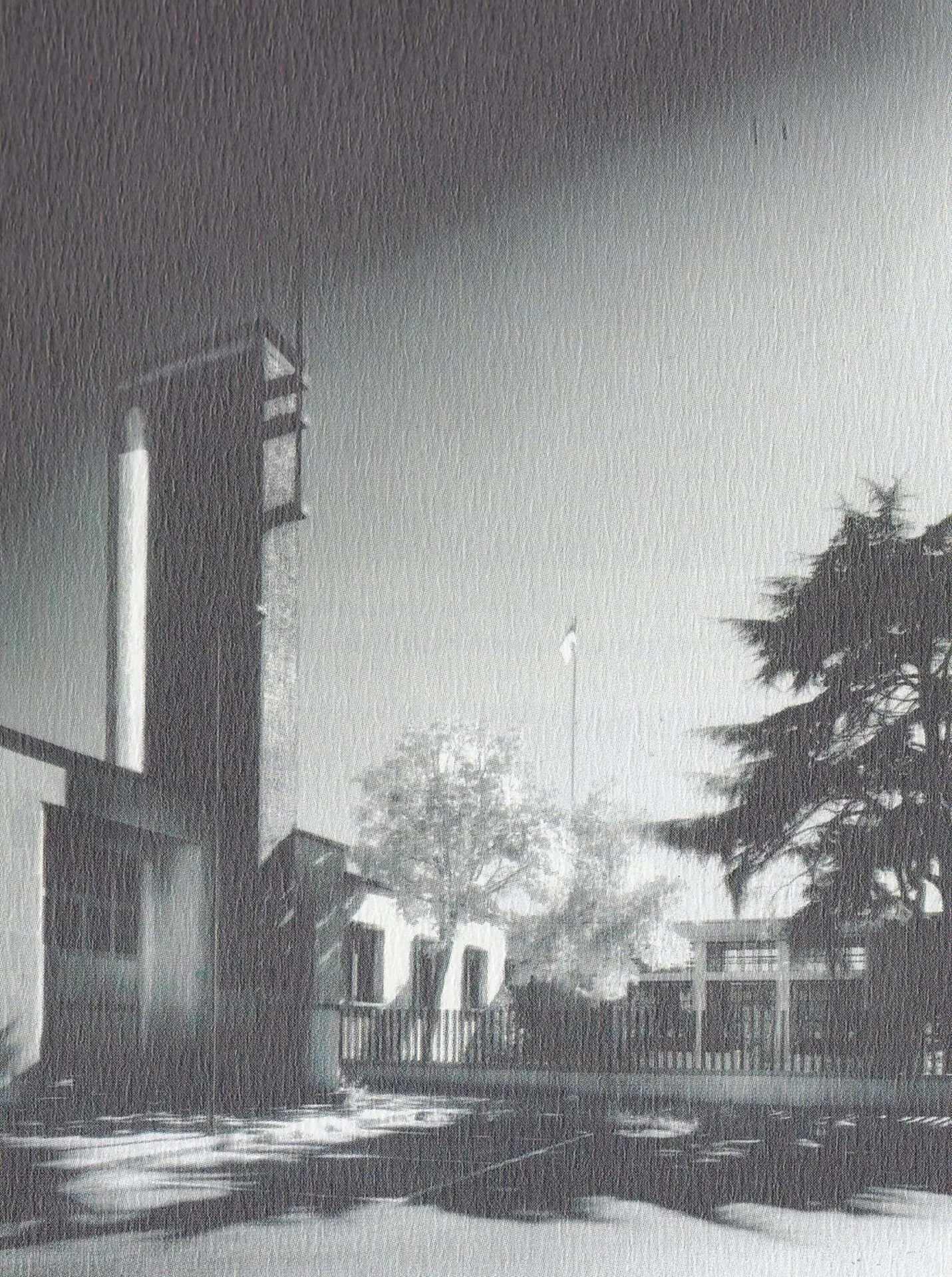
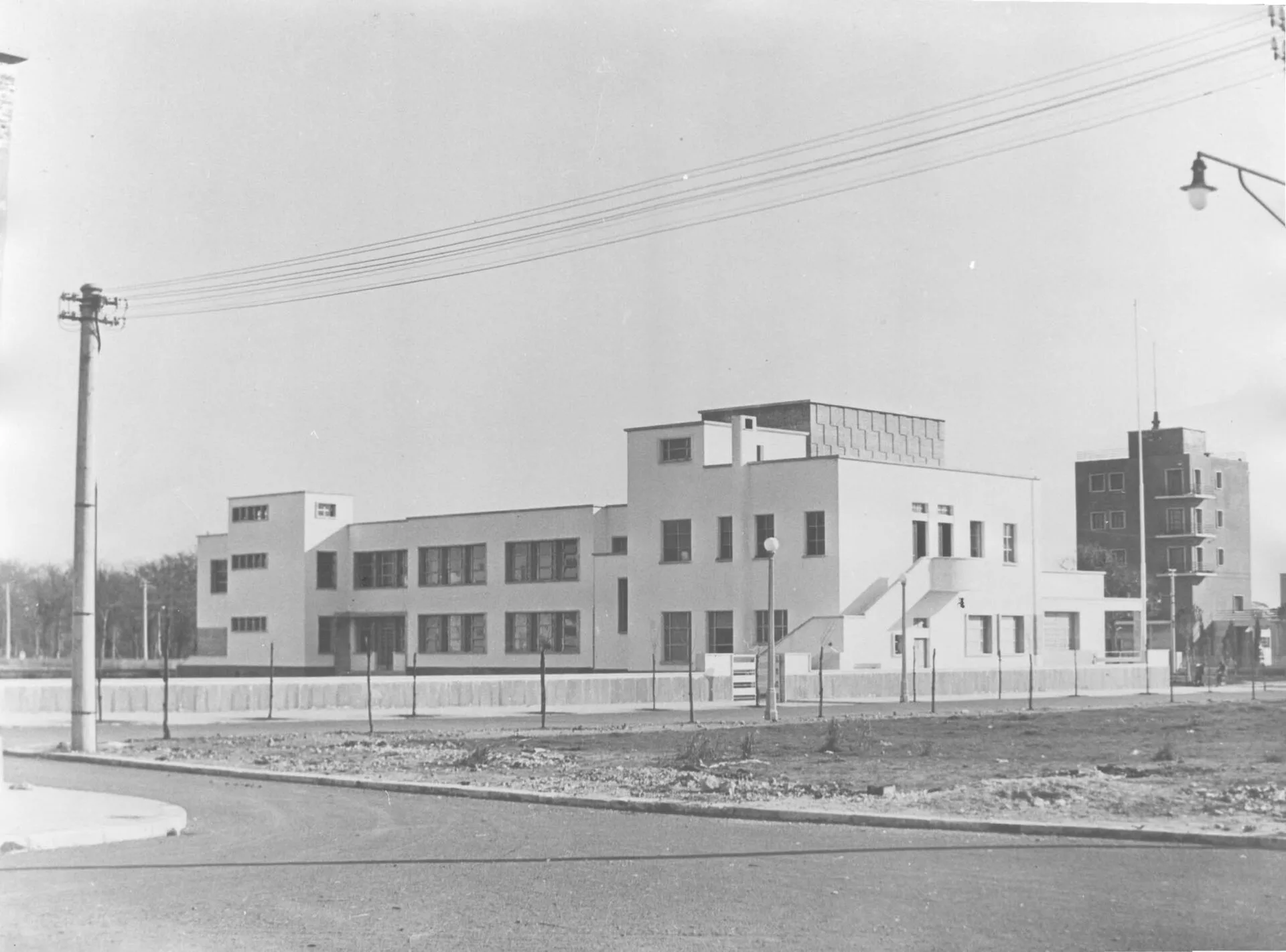
Since its establishment, the training provided at the Sabaudia branch was identical to that of the School of Cittaducale. In fact, although the two sites are located in very different environments—one coastal and the other mountainous—forestry personnel have always been trained according to uniform criteria, in accordance with the directives issued by the General Directorate to the School.
The School of Sabaudia, considered historic as it was the first detached section of Cittaducale, has always hosted all types of courses (initial training, refresher or specialization), both for the professional roles of the State Forestry Corps and for other personnel.
Moreover, being located within the Circeo National Park, on one of the four coastal lakes that reflect its landscape value, and on the edge of the state-owned lowland forest, the facility was able to offer high-quality training opportunities to forestry trainees, fully aligning with the traditional location principles of such schools.
Theoretical lessons were followed by field exercises and demonstration excursions.
The Circeo area—designated a UNESCO Biosphere Reserve—thanks to its distinctive landscape features, including forests, lakes, marine environments, coastal dunes and endemic plant species, is particularly well suited for training programmes related to the protection and management of restricted and protected areas.
Furthermore, by Ministerial Decree of 6 December 1988, also in the province of Latina, a detached branch of the “School for Trainee Non-Commissioned Officers and Forestry Guards of Cittaducale” was established within the Villa di Fogliano estate, with the aim of providing personnel, through practical naturalistic exercises, with specific training in the sector. This is where the local Carabinieri Biodiversity Unit is currently based, located in an area of approximately 1,100 hectares, which constitutes the most important Ramsar site in Lazio and one of the most significant in Italy. At the Borgo of Villa Fogliano, an environmental education laboratory on wetlands was also established.
On 1 January 2017, pursuant to Legislative Decree of 19 August 2016 no. 177, containing “Provisions on the rationalization of police functions and the absorption of the State Forestry Corps,” published in the Official Gazette no. 213 of 12 September 2016, the Carabinieri Forestry School of Cittaducale (RI) was established, which incorporated the Sabaudia site under the new designation of Carabinieri Training Center.
As of 11 March 2024, the Training Center was renamed the Center of Excellence for Environmental Protection, opening environmental training to the international context.