

Courses
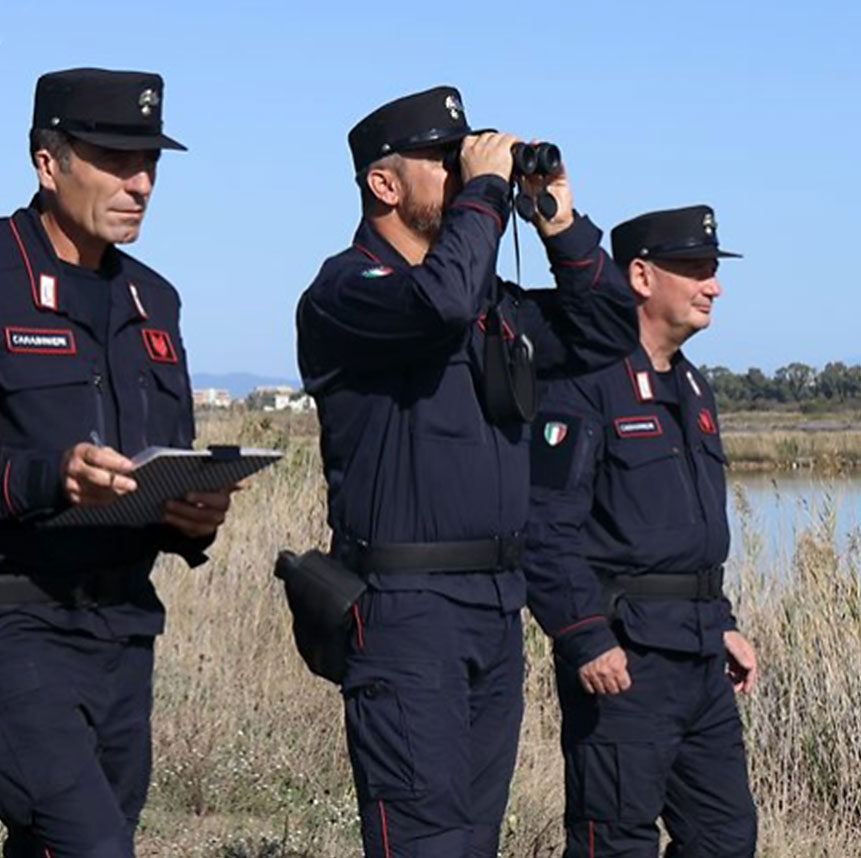
1. Environmental protection and climate change assessment
To provide guidelines to address complex and multi-faceted environmental issues, according to international standards and the Carabinieri CUFA expertise.
Learn more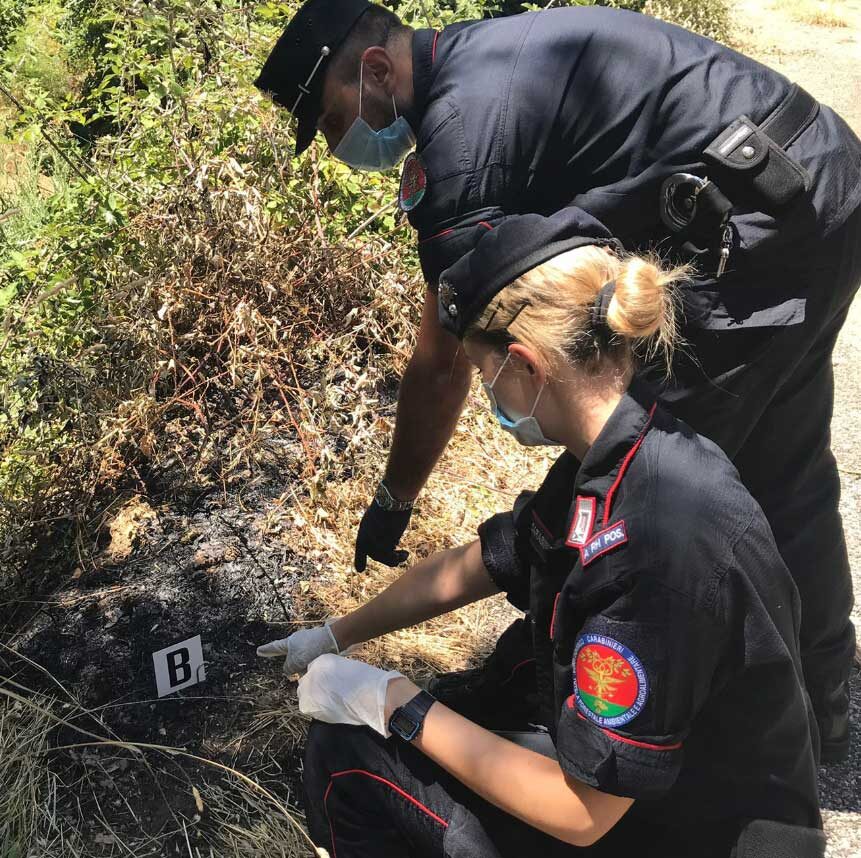
2. Best practices for the implementation of an integrated project for the environmental restoration of fire-affected areas
To provide guidelines for the recovery, conservation, protection and management of damaged ecosystems.
Learn more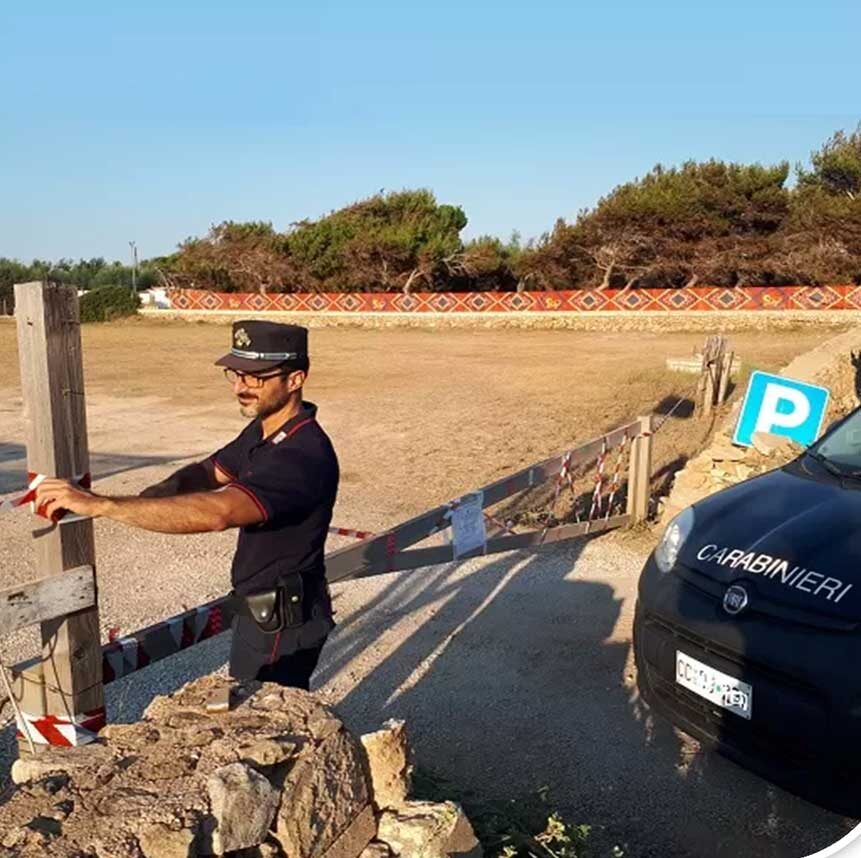
3. Protection, management and rehabilitation of priority habitats at high risk of disappearance
To promote the conservation of the priority habitat *2250 “Coastal dunes with Juniperus spp.” particularly at risk due to the man-made impact, in addition to the protection of the various dune habitats, protected by Directive 92/43 “habitat“.
Learn more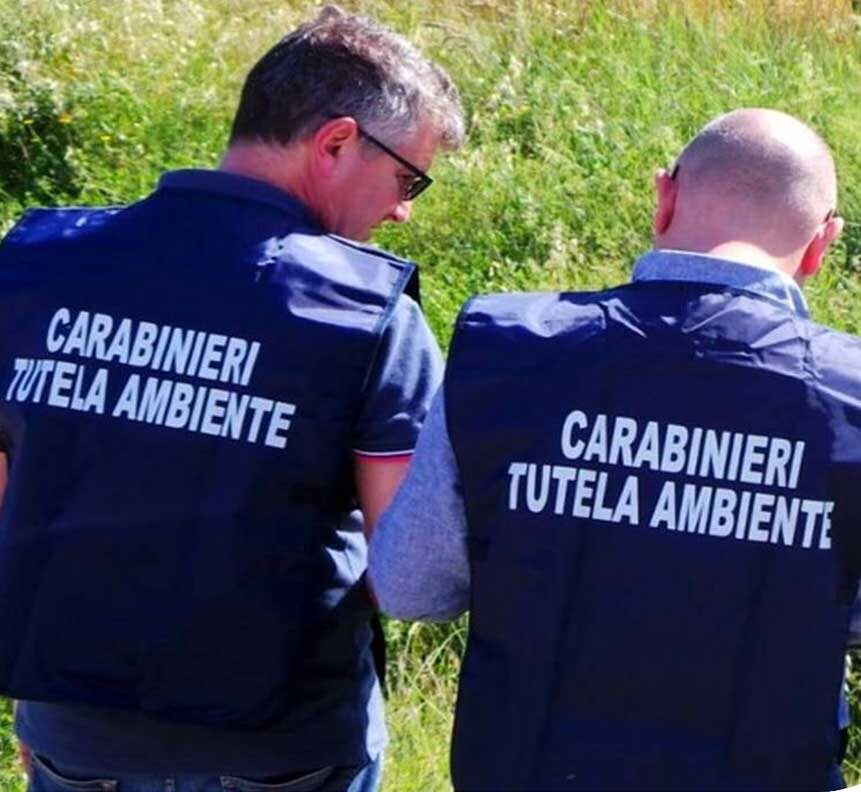
4. Best practices for environmental conservation and the development of eco-friendly (sustainable) economic activities in protected areas
To identify and propose unambiguous strategies of conservation and management that can be exportable.
Learn more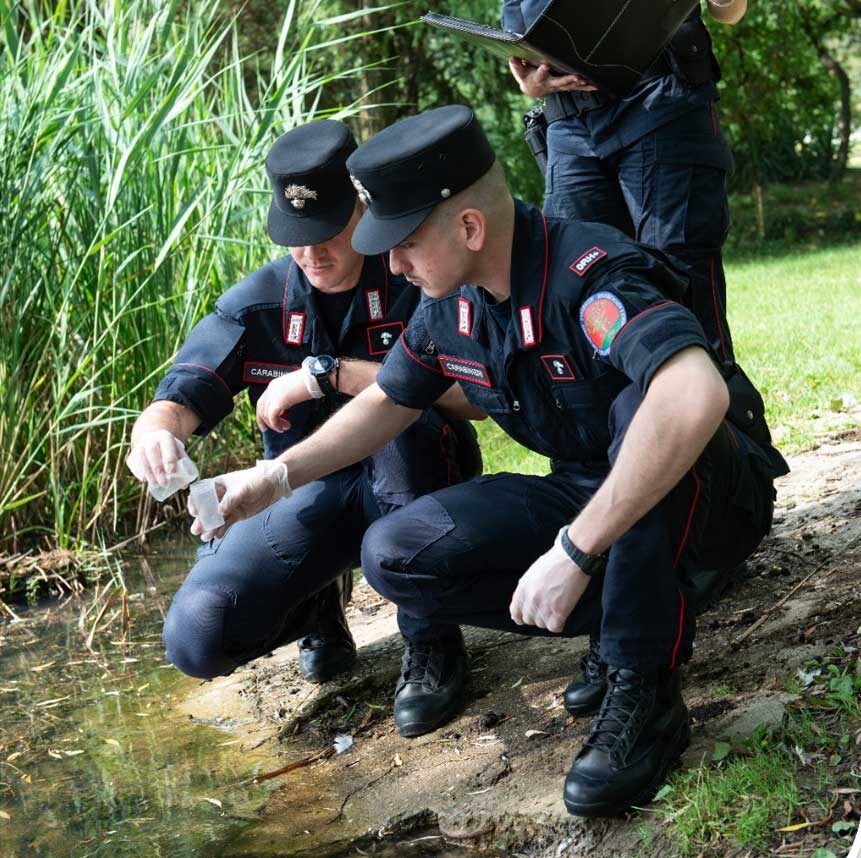
5. Soil loss and naturalistic engineering. Interventions of regulation, consolidation, defence and restoration
To provide guidelines for the planning, design and implementation of landslide slope consolidation, management of mountain watercourses, restoration, consolidation and protection of degraded coastal dune systems.
Learn more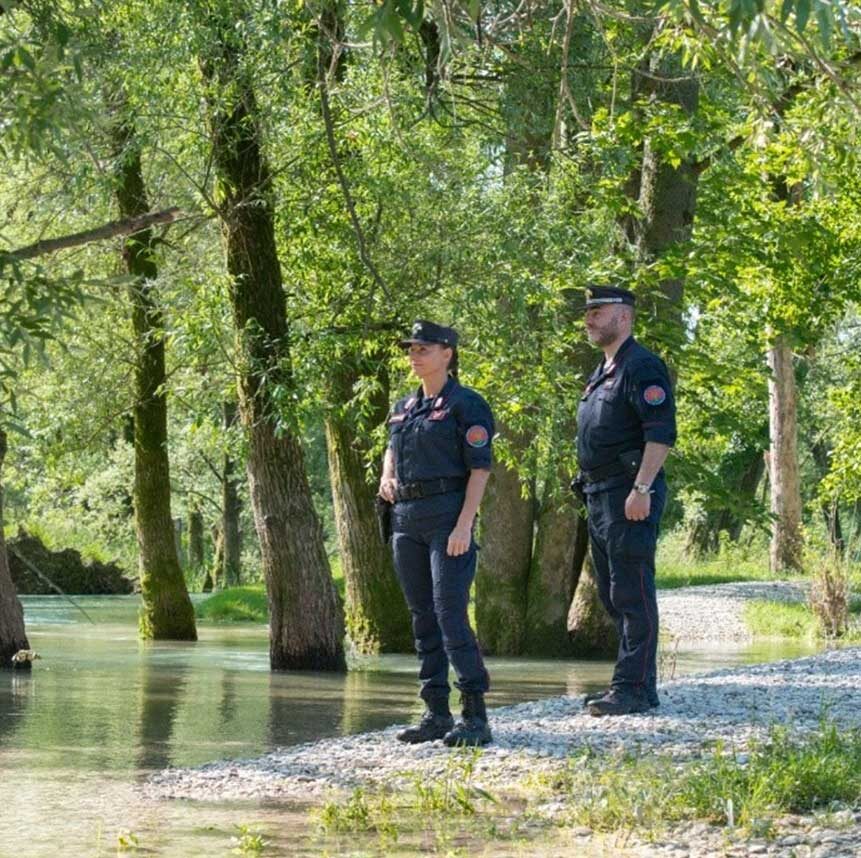
6. Protection and conservation of biodiversity: heritage for life, development and health
To provide the cognitive tools to focus and evaluate the benefits for human beings, and all their activities, arising from the actions of protection, conservation and sustainable use of biodiversity.
Learn more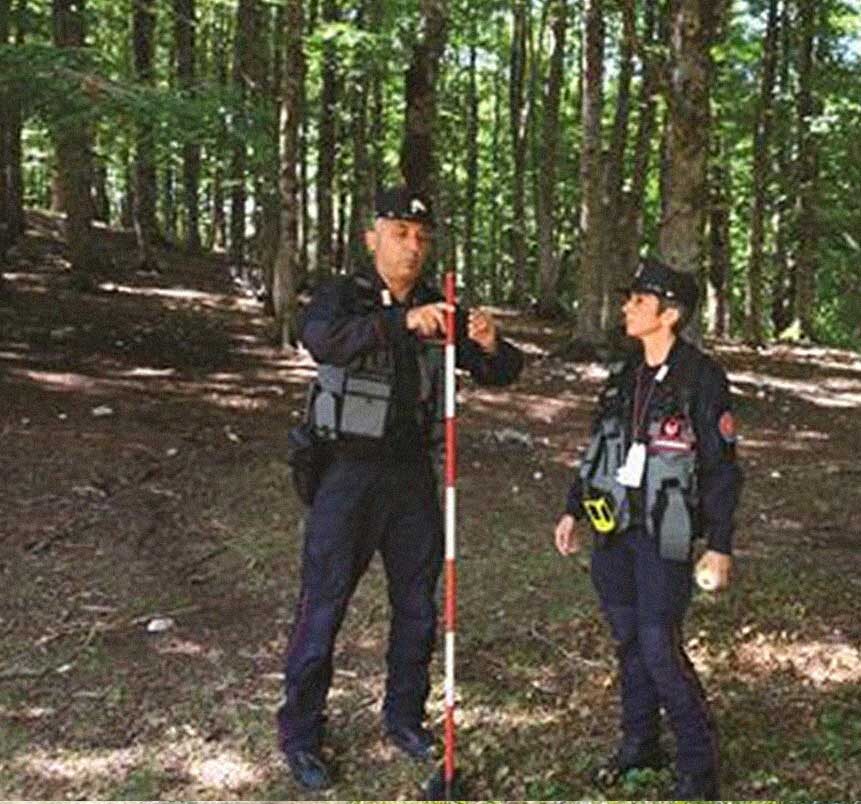
7. Monitoring the impact of air pollution on terrestrial ecosystems: the CON.ECO.FOR. and NEC networks
To provide information to third countries on issues related to networks monitoring the effects of pollutants on terrestrial ecosystems, in line with international standards and the positive experience of the Italian network coordinated in Italy by CUFA.
Learn more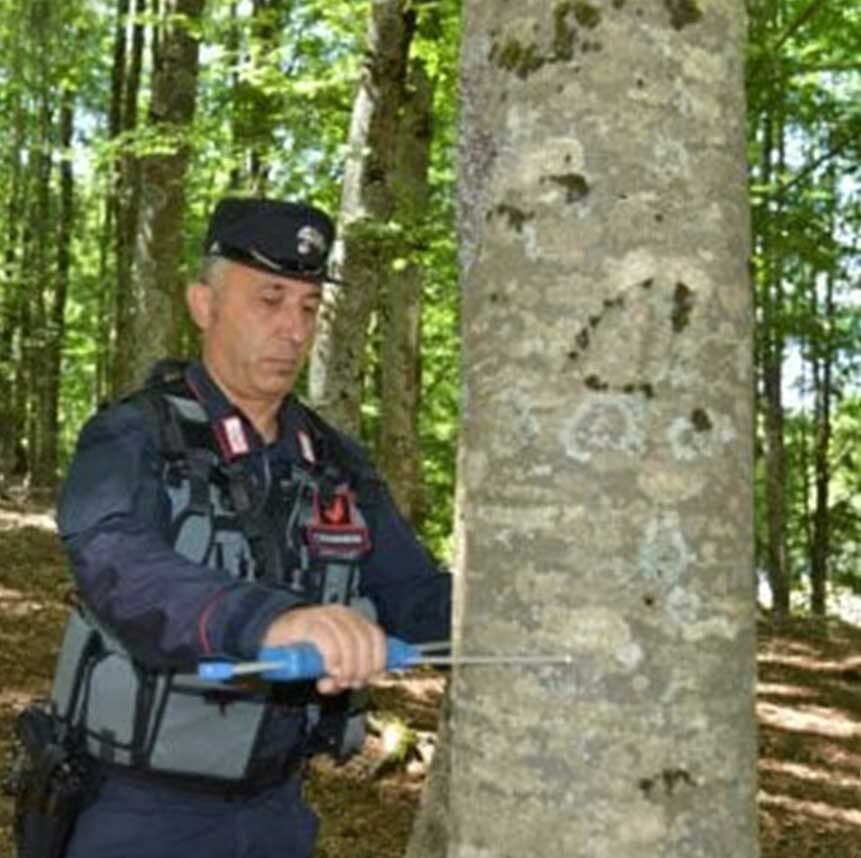
8. The National Inventory of Forests Sand Carbon Tanks (INFC): the Italian experience of periodic of forest resources and the stock of CO2 absorbed
To make the importance of the National Inventory of Forests and Carbon Tanks (INFC) known as a method of quantification of forest resources and CO2 consumption, in accordance with the provisions of the UN Framework Convention on Climate Change, the Kyoto Protocol and the Paris and subsequent Agreements.
Learn more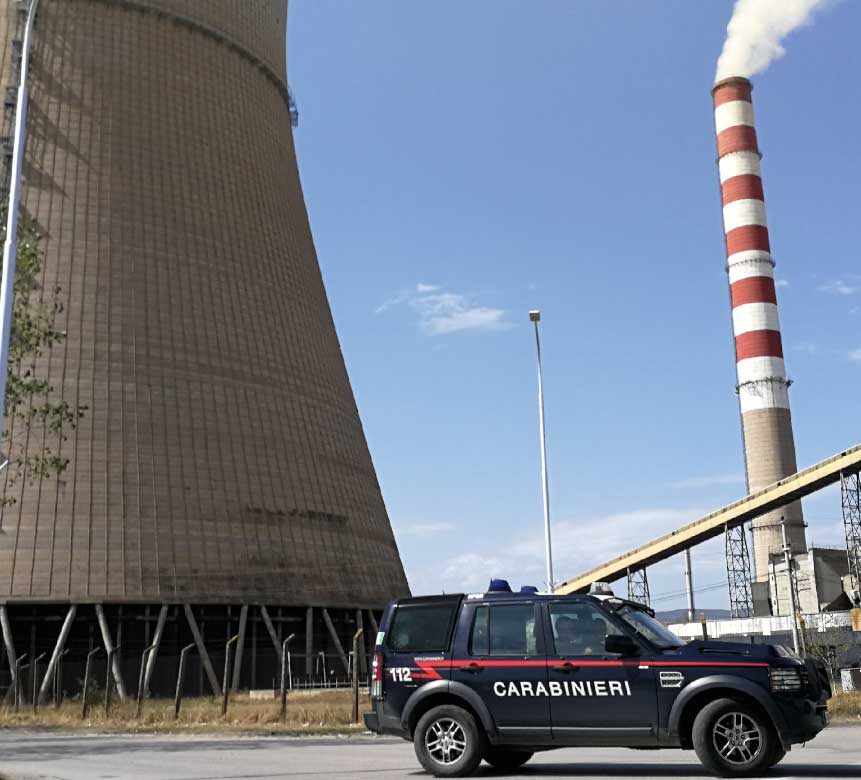
9. Climate neutrality of field activities: strategies to reduce CO2 emissions
To provide guidelines to increase the sustainability of “field missions” in third countries and proposals for the mitigation of human activities.
Learn more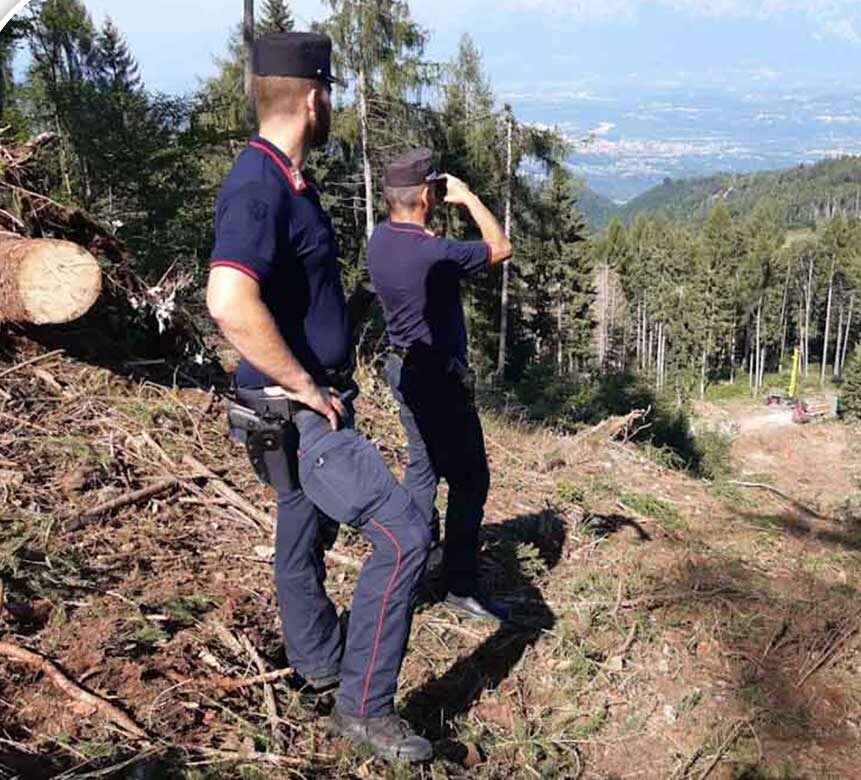
10. Forest fires. Techniques of scientific technical collection on topsoil crossed by fires for the detection of the causes of ignition. Basic Course
To provide the scientific technical methodology necessary to carry out collection activities on forest topsoil crossed by fire, aimed at identifying, in an objective and scientific way, the place of injection (ignition) of the fire and the cause of the event examined. To introduce the concept of operational criminal analysis to the phenomenon of forest fires (treatment and resolution of the individual case).
Learn more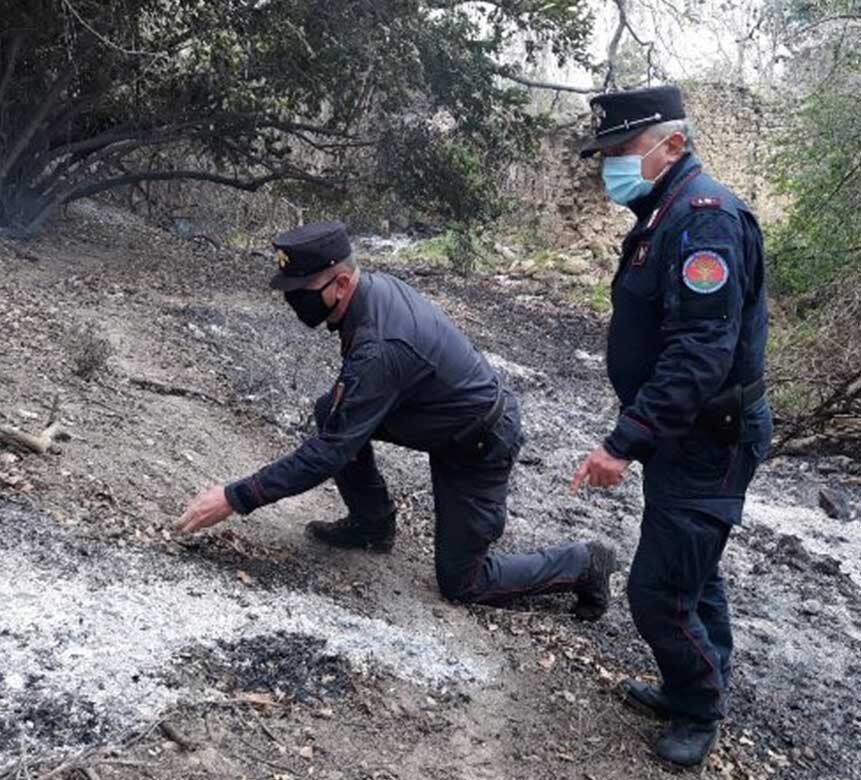
11. Forest fires. Techniques of scientific technical collection on topsoil crossed by fires for the detection of the causes of ignition. Advanced course
To provide the scientific technical methodology to carry out criminal analysis and activities of a strategic nature and geographical profiling of offenders (collection and analysis on various forest fire cases). This course aims at identifying, in an objective and scientific way, the flame propagation dynamics (even 3D modelling), the injection site (ignition) of the fire and the determining causes of the events under investigation.
Learn more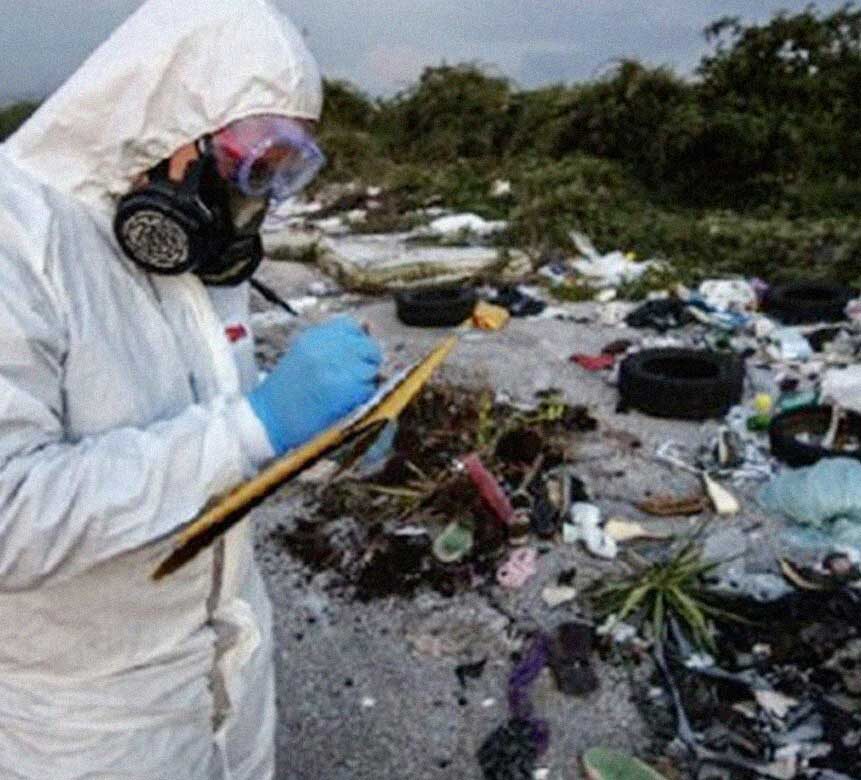
12. Best practices to combat pollution and environmental disasters
To analyse investigative procedures and techniques to combat environmental crimes.
Learn more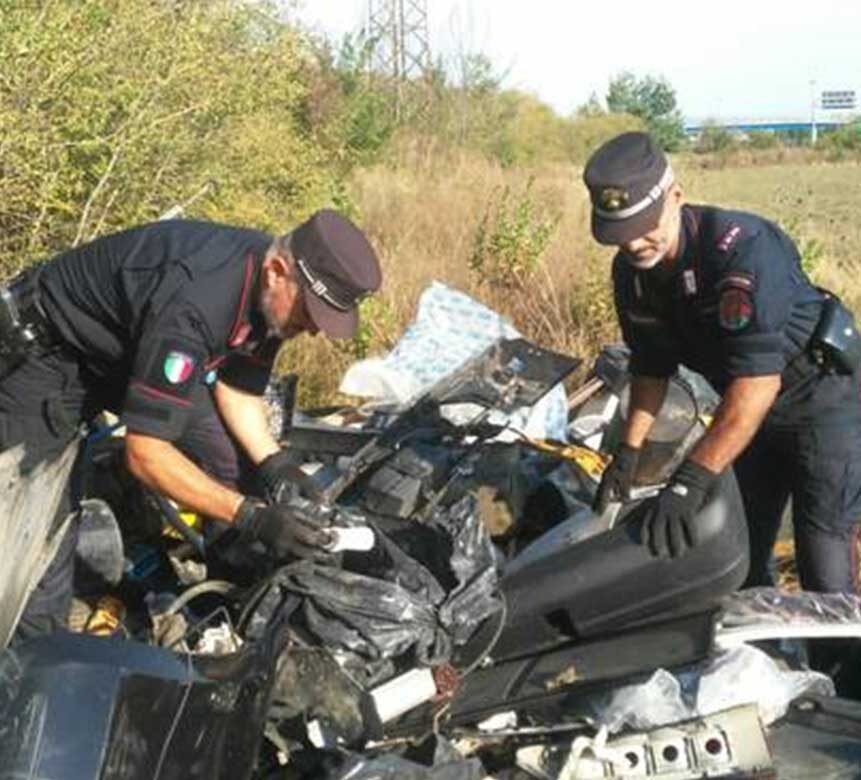
13. The environmental police with particular reference to the activities organised for national and transboundary illicit waste traffic
To provide basic knowledge to detect typical trafficking conducts.
Learn more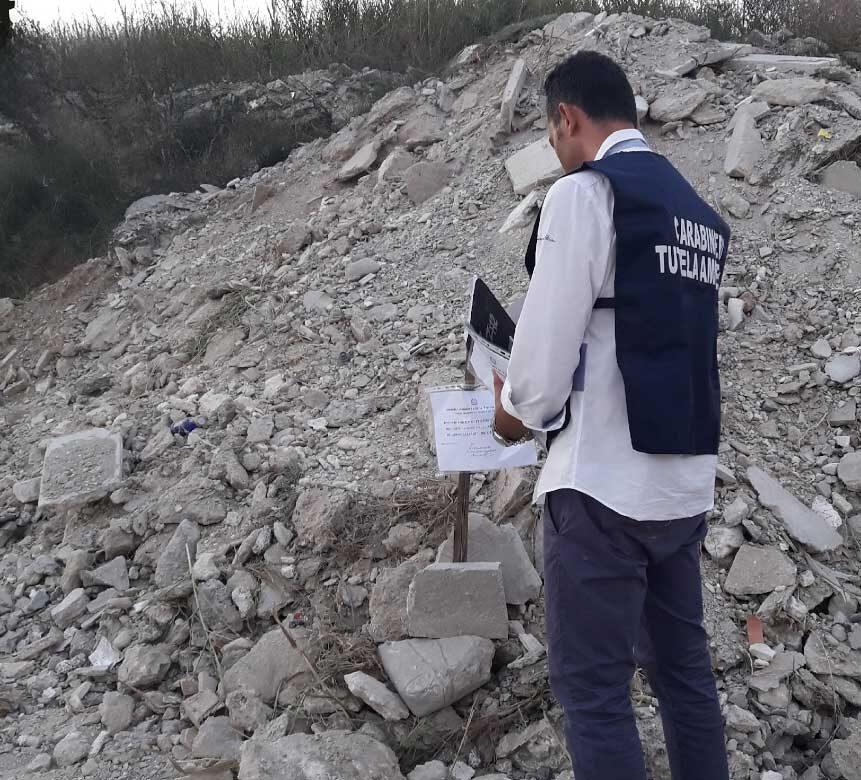
14. The environmental police with particular reference to the so-called cement cycle
To provide necessary knowledge to conduct investigations into quarrying activities regarding the possible use of extracted material in relevant works financed by European funds allocated through the recovery fund.
Learn more