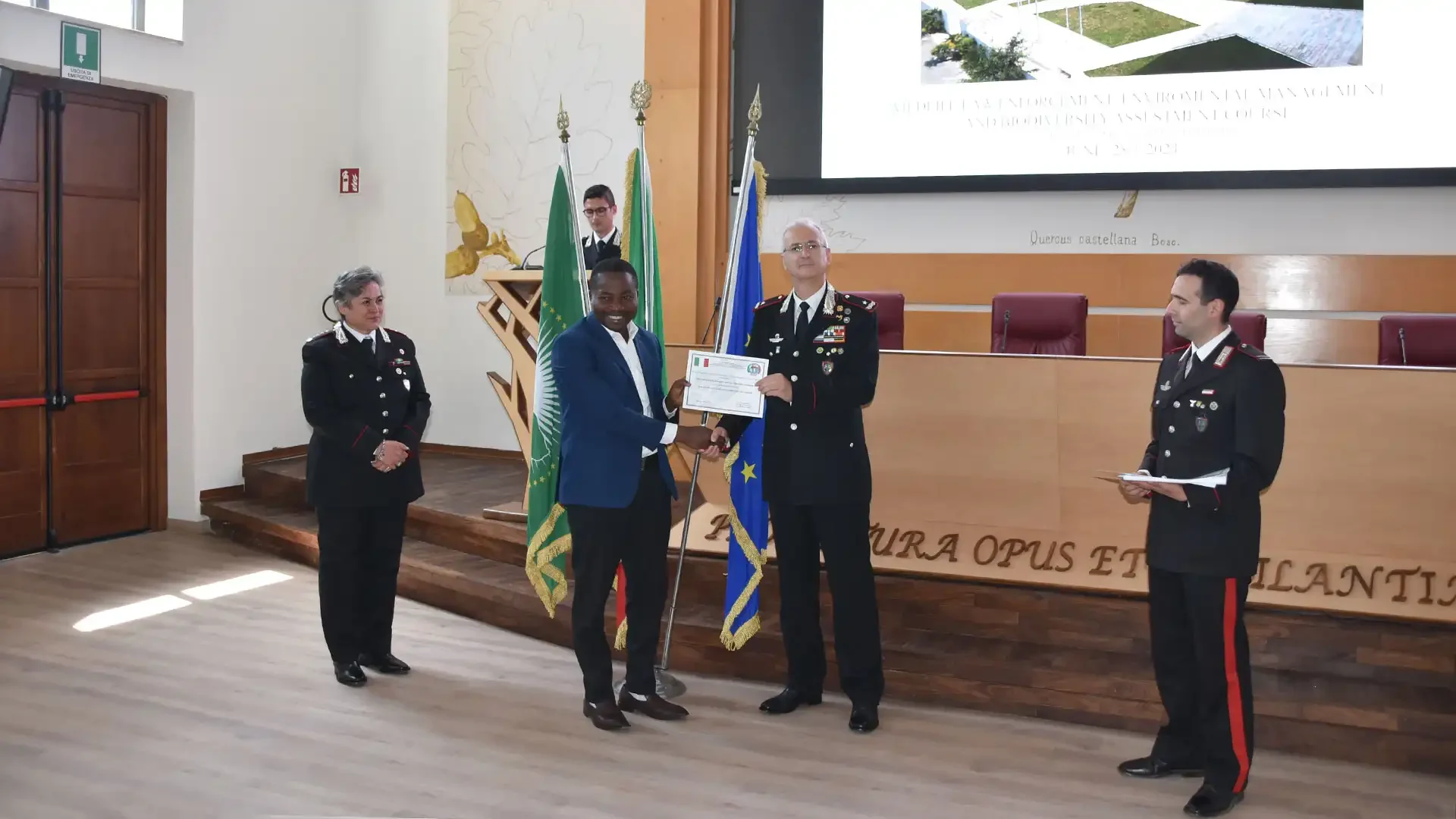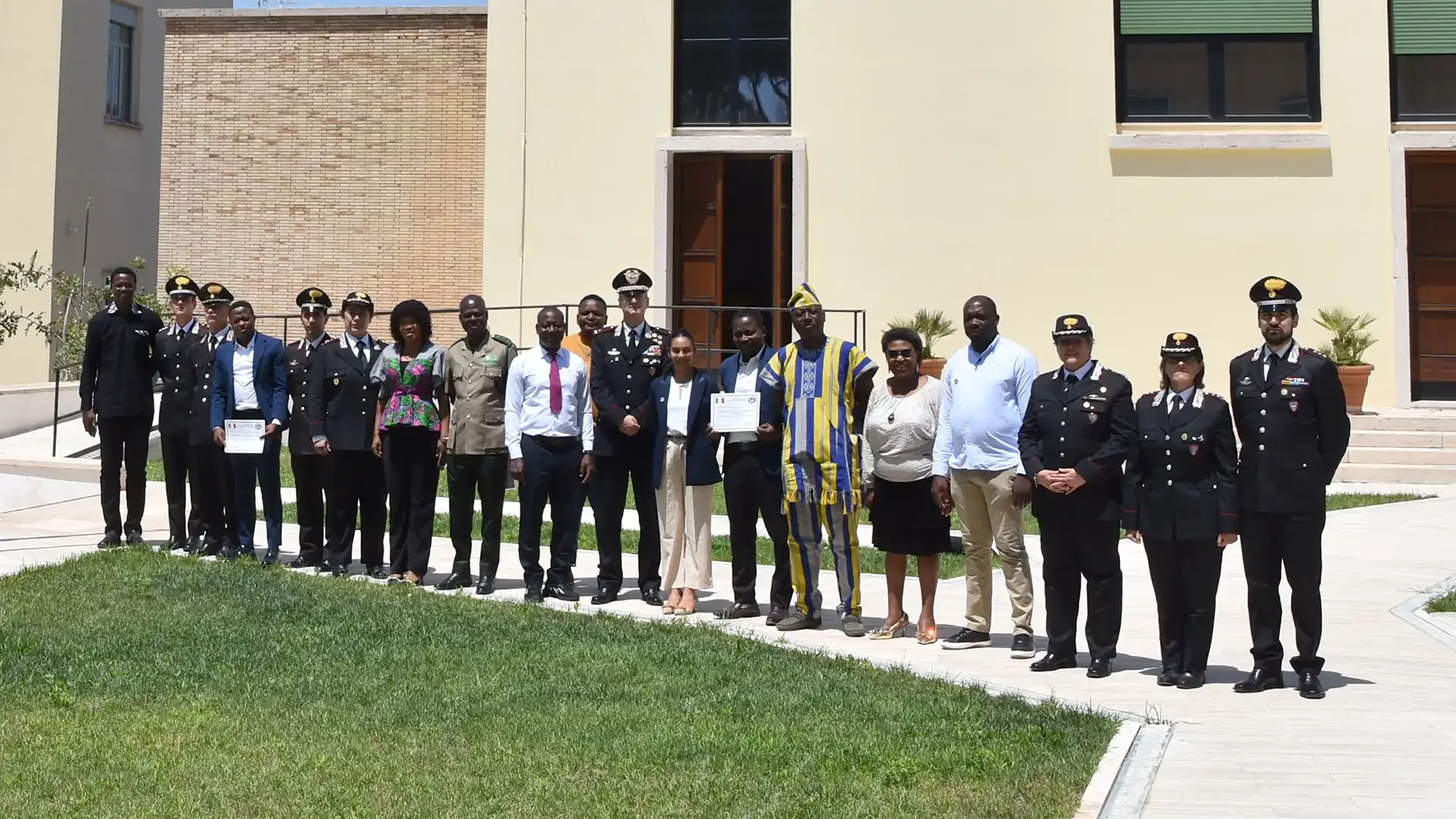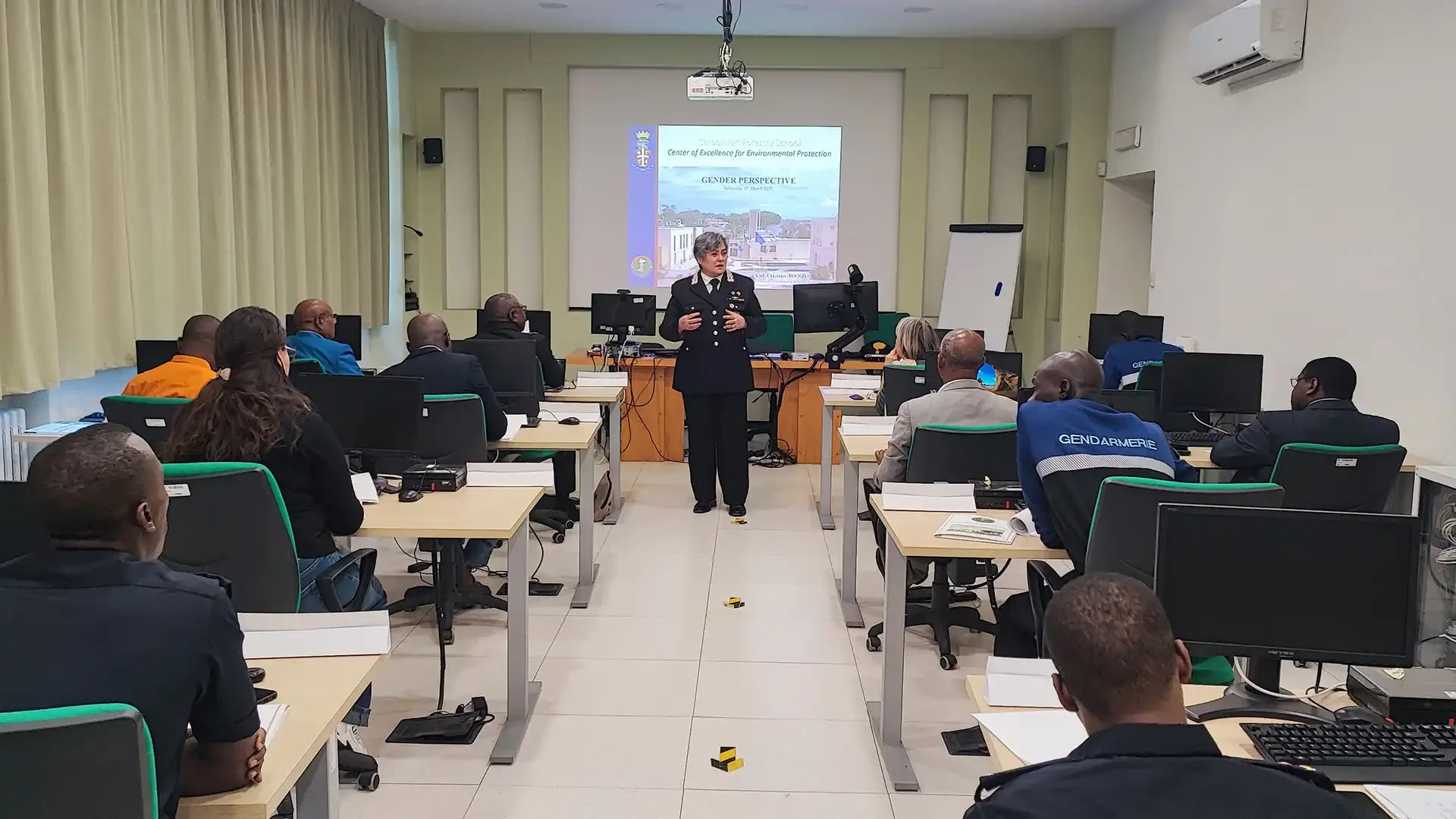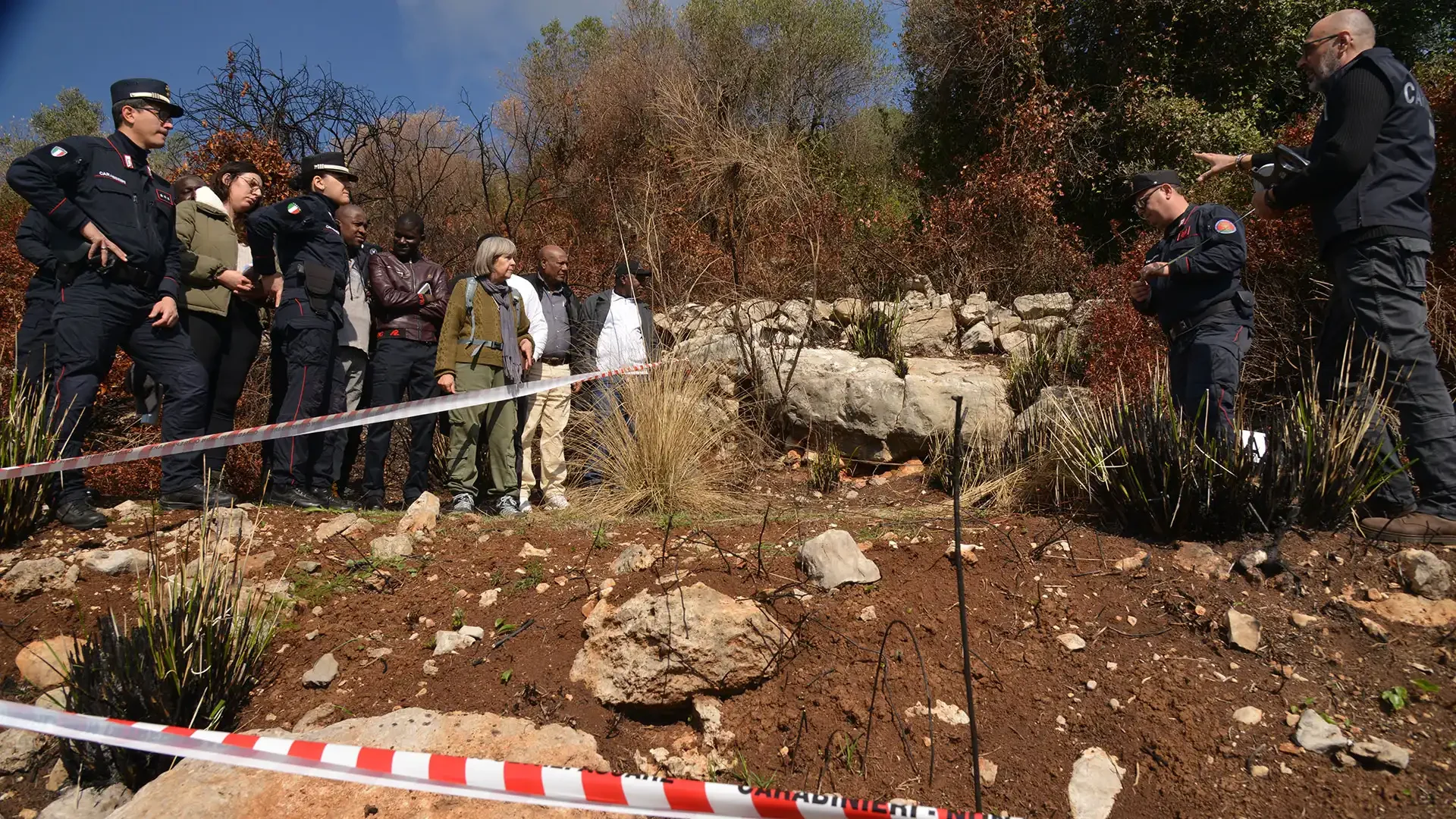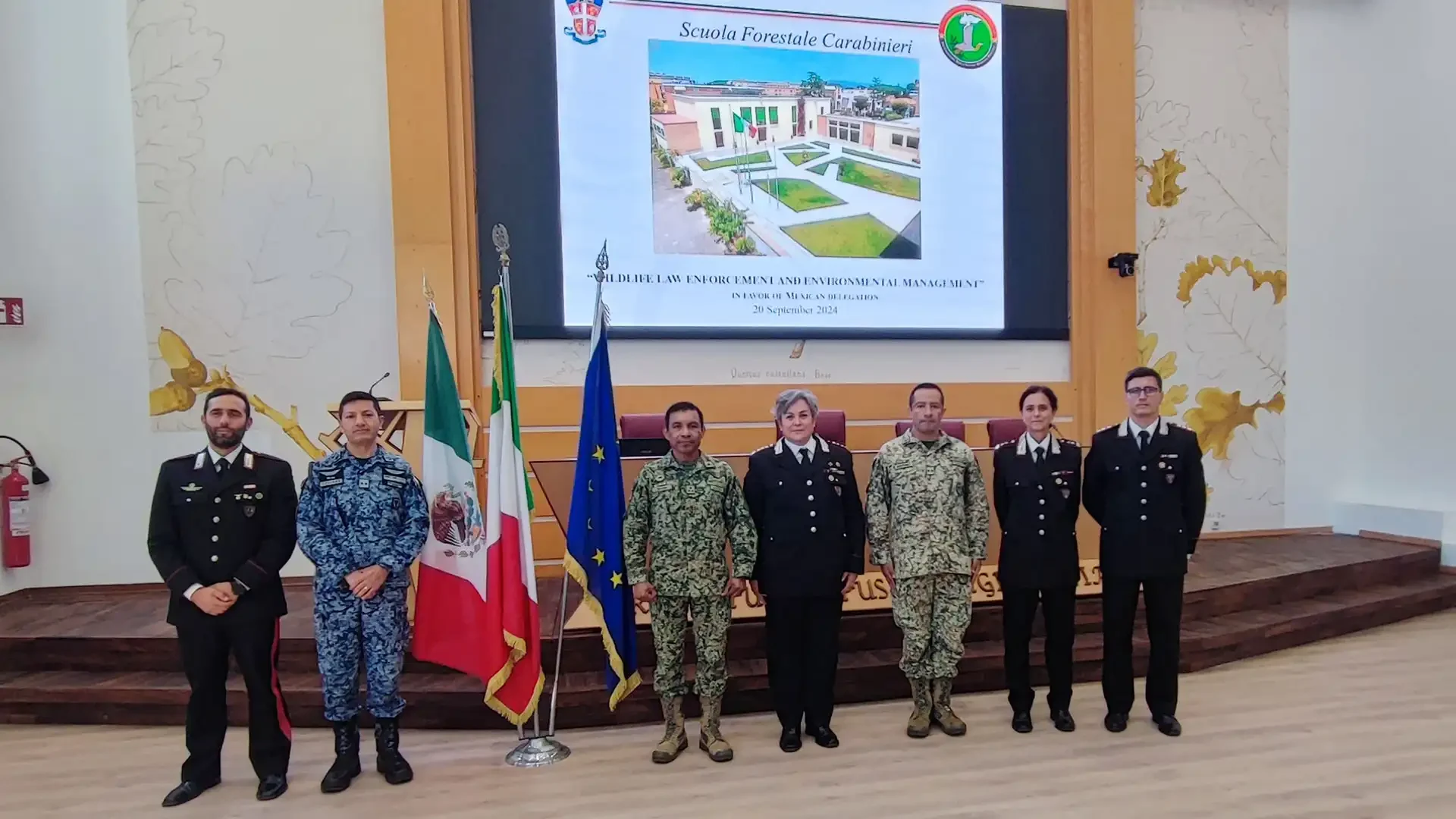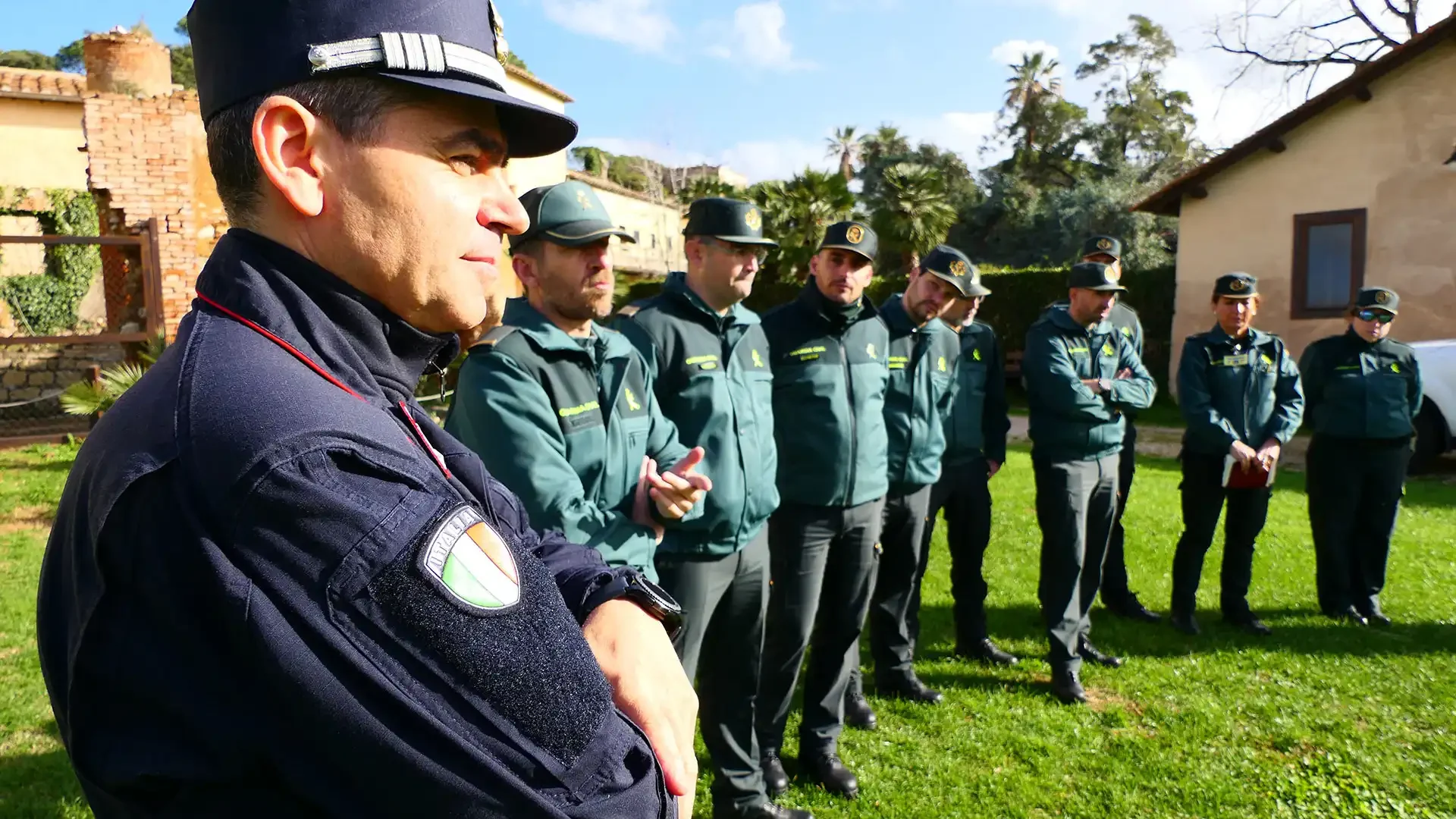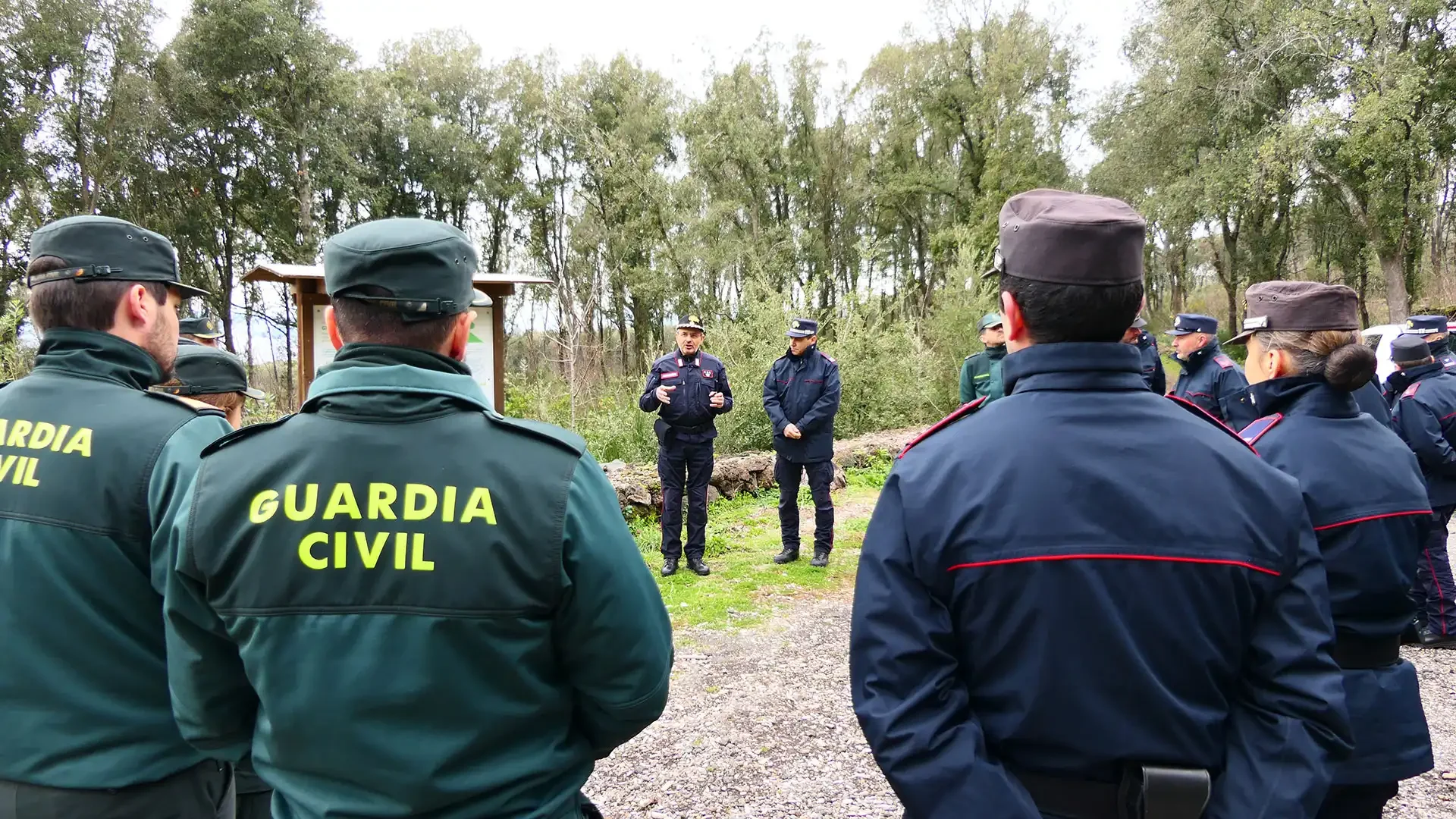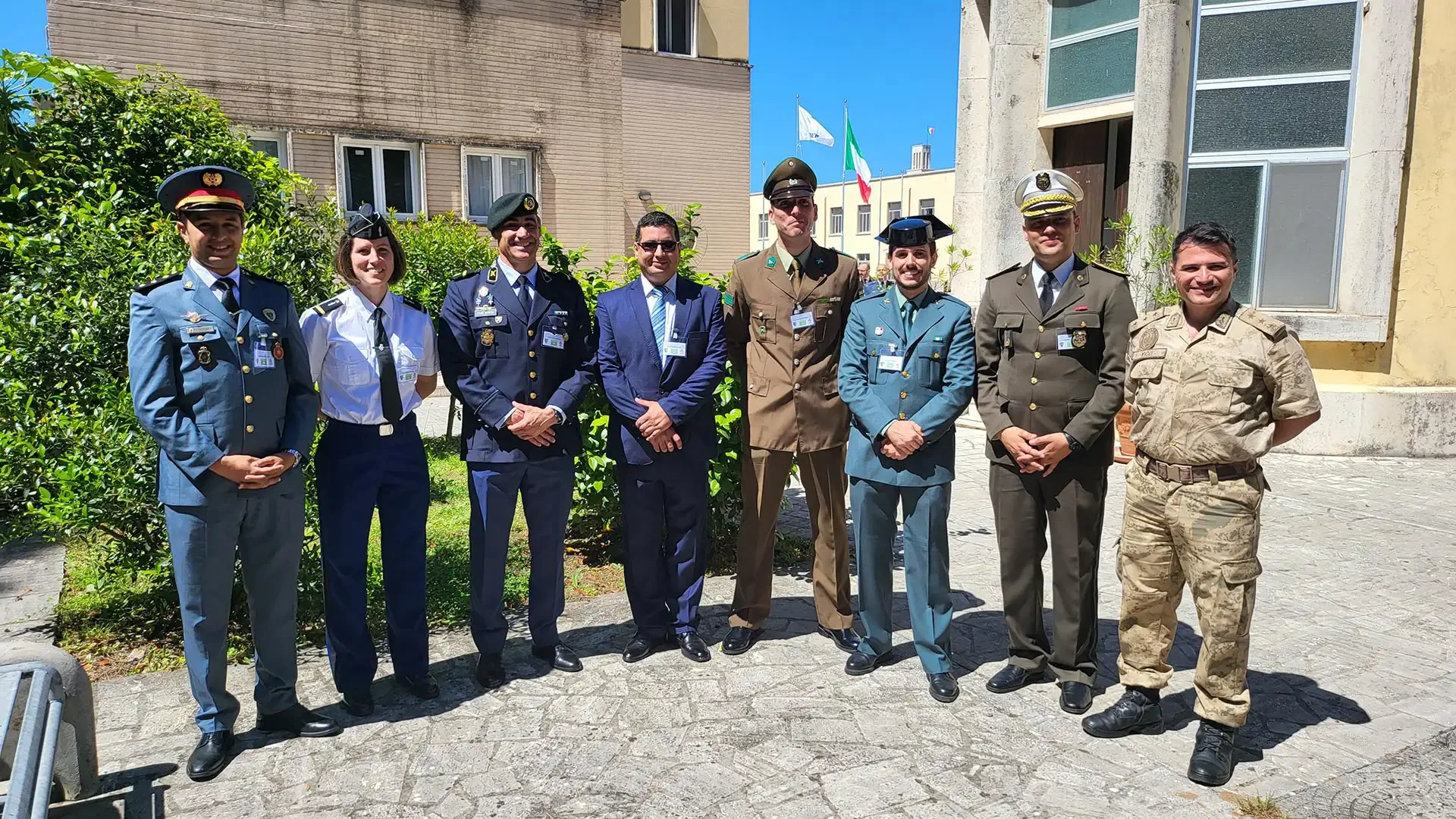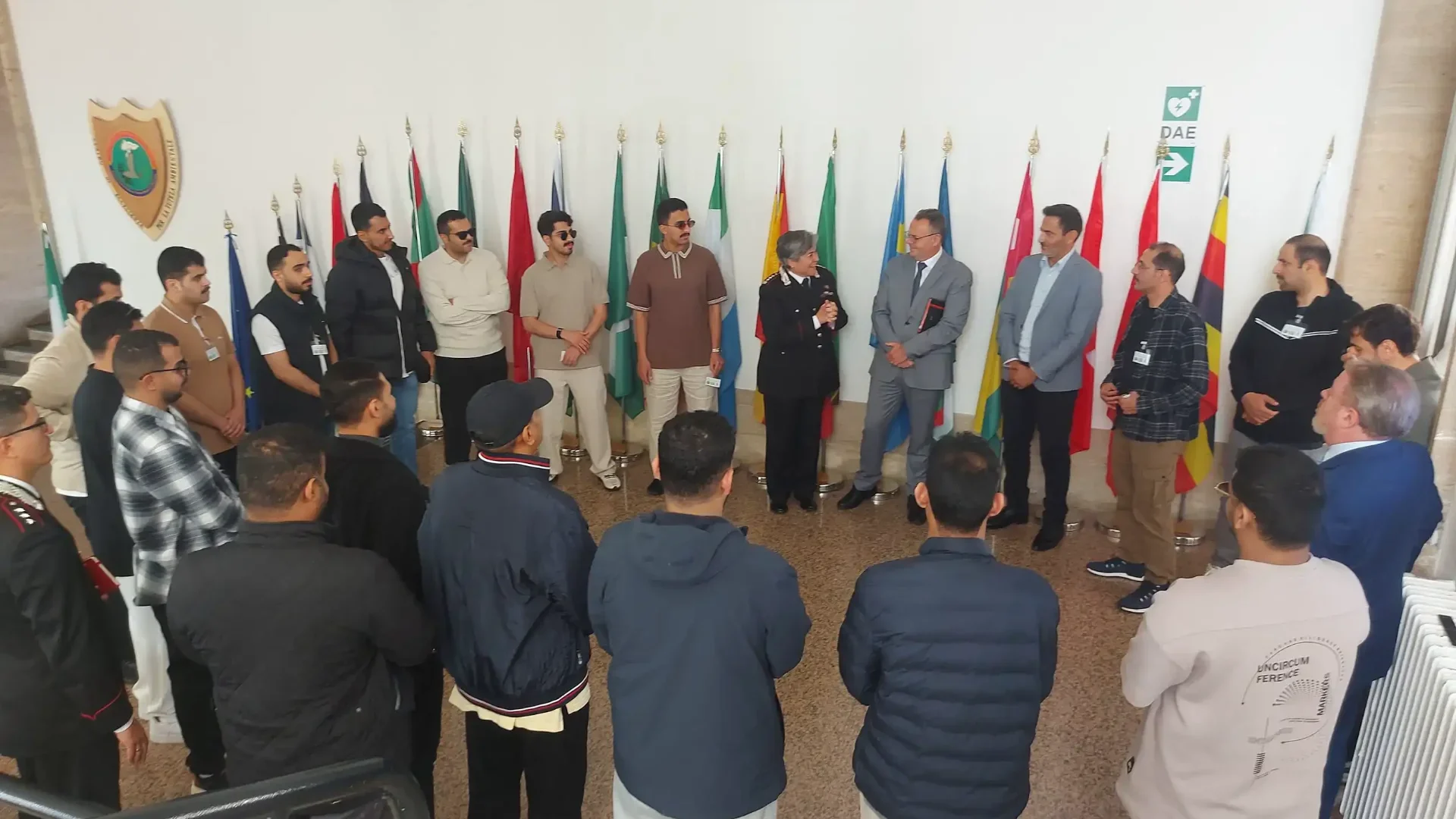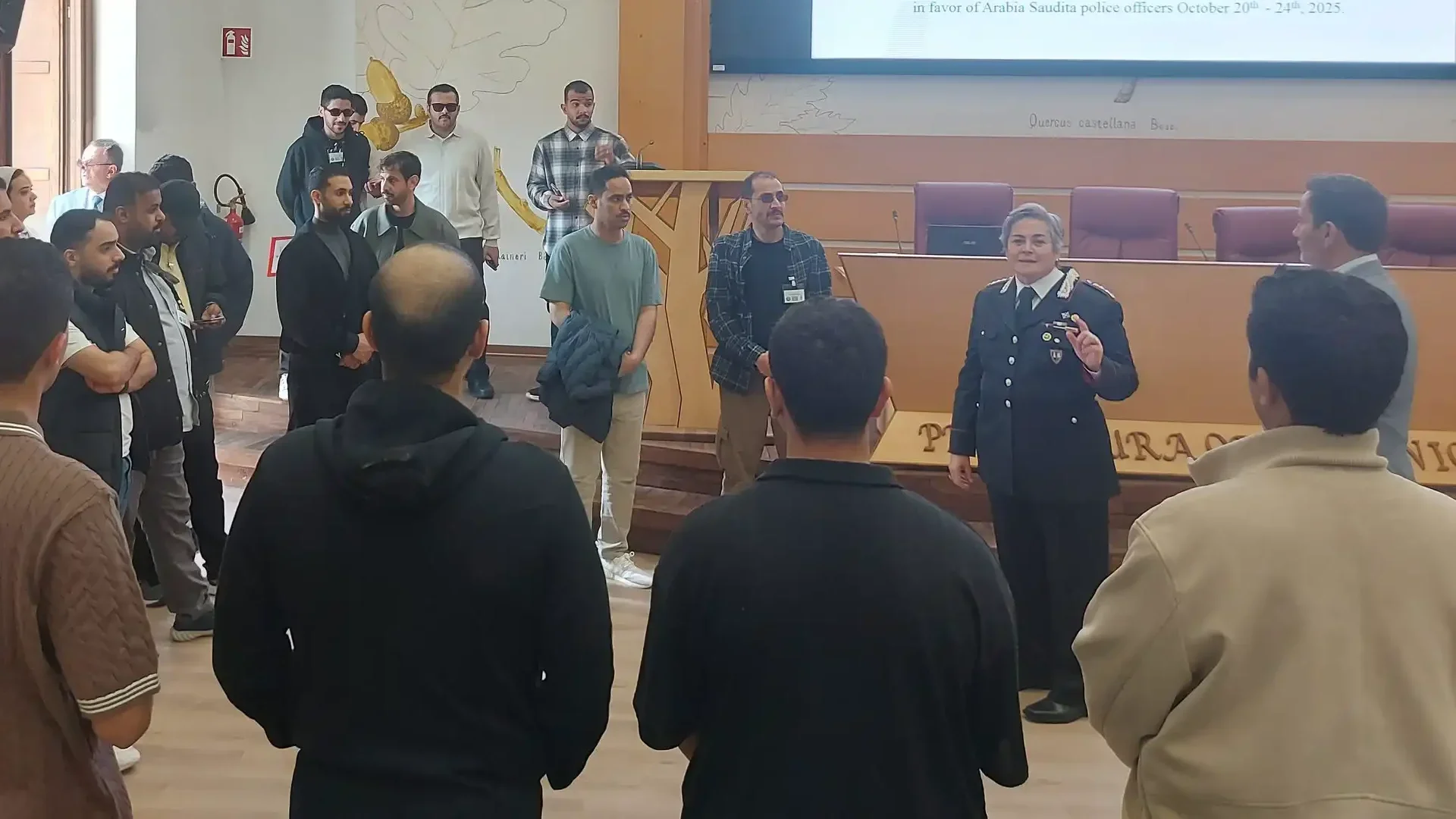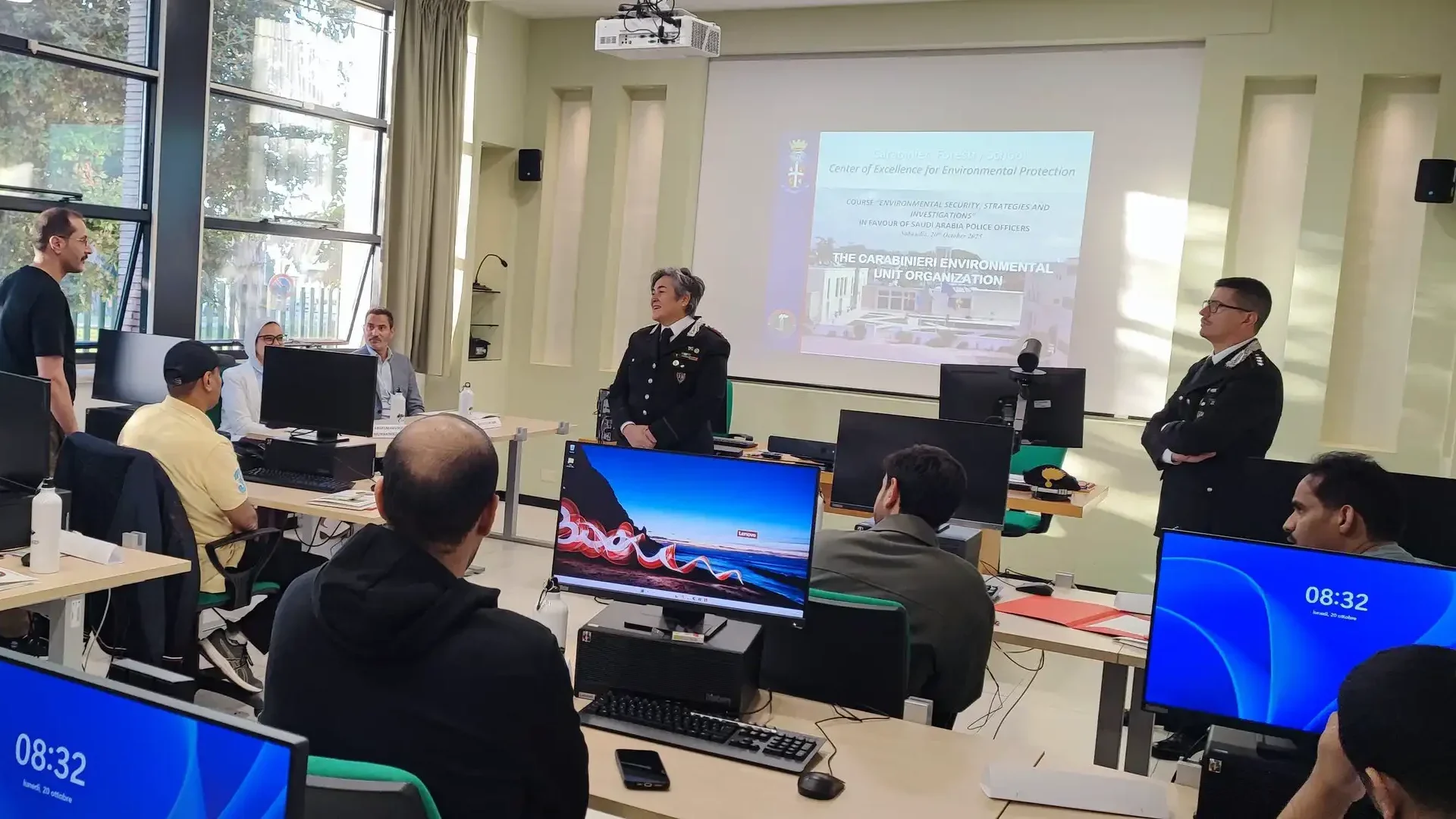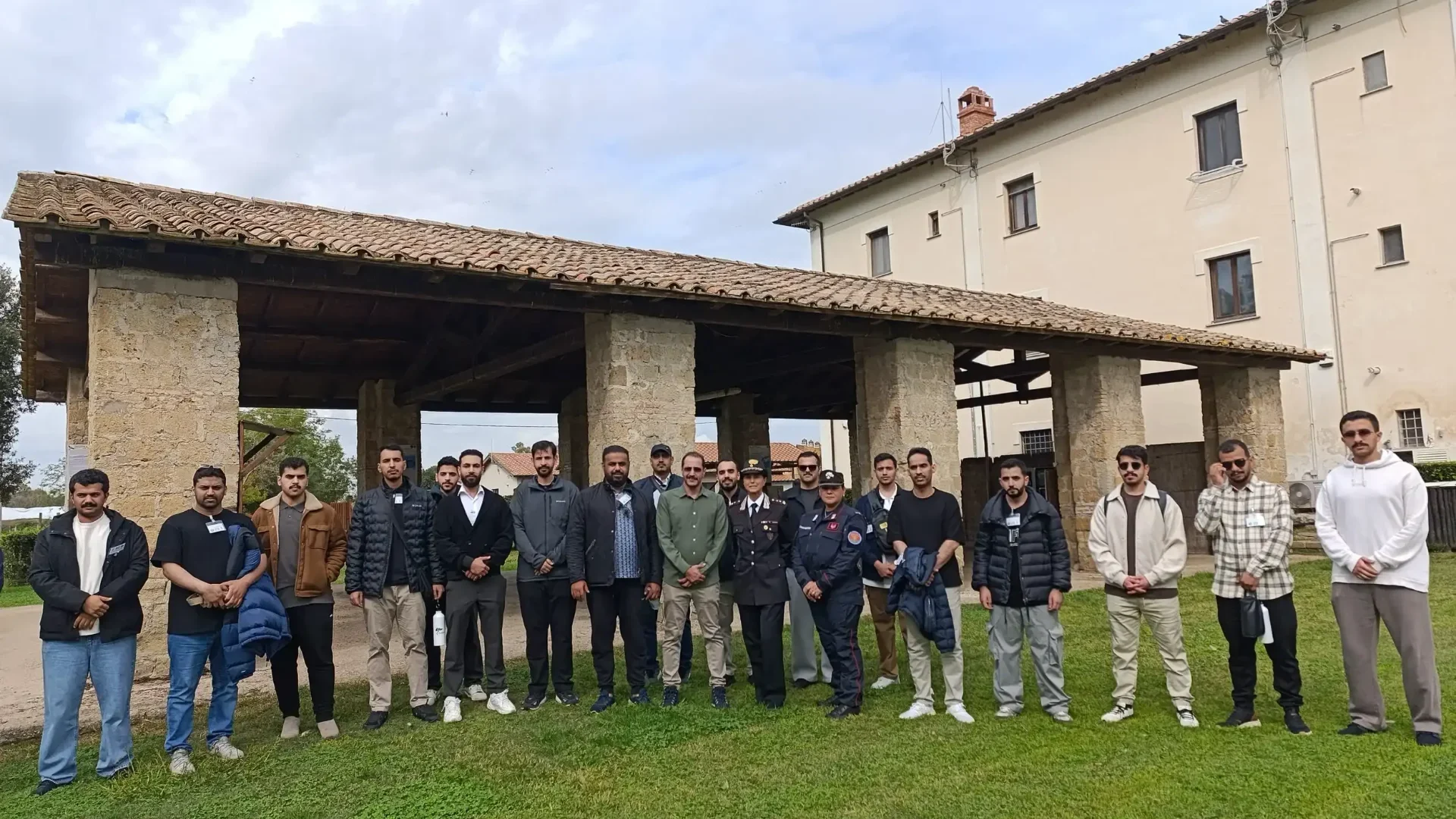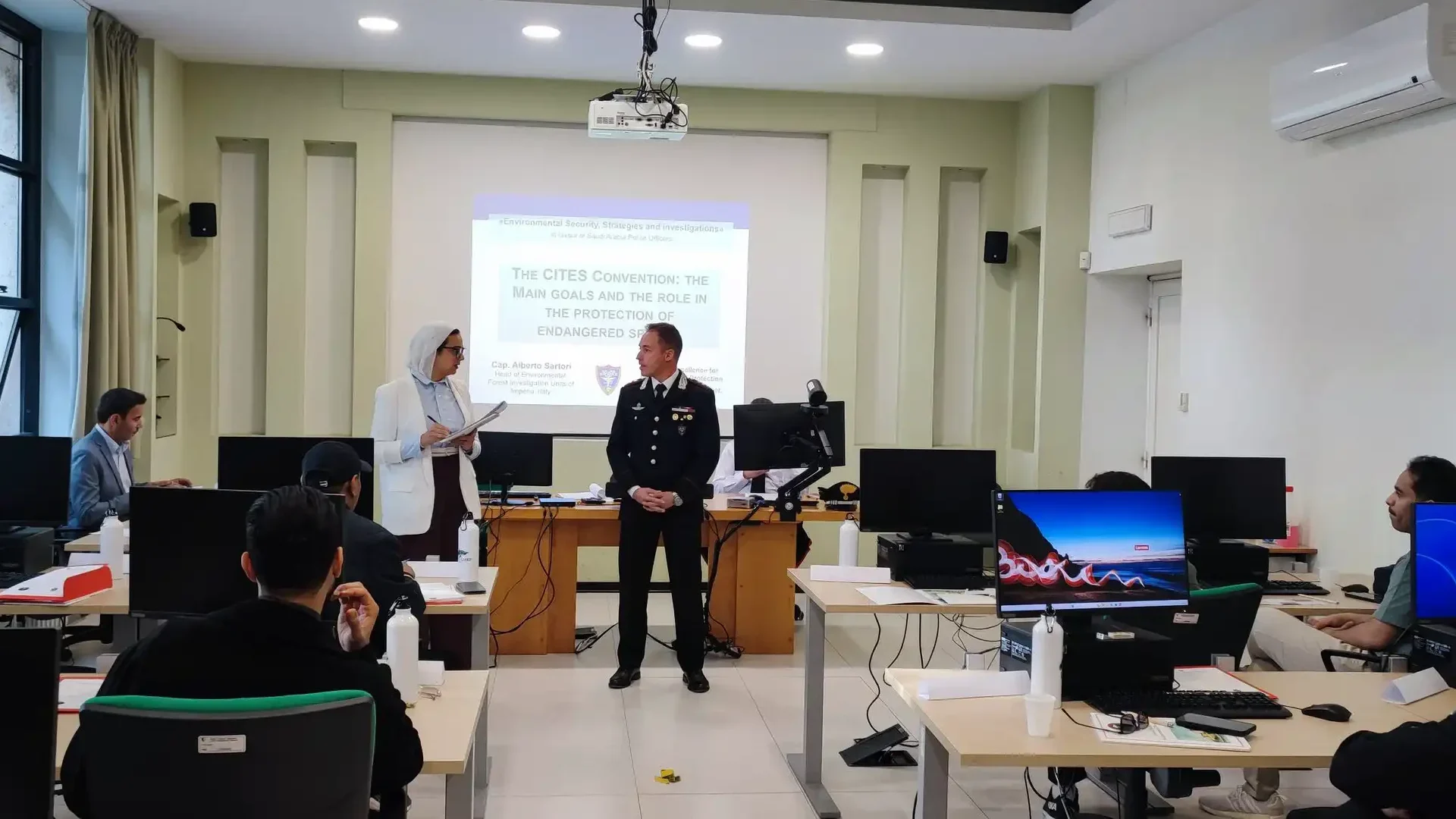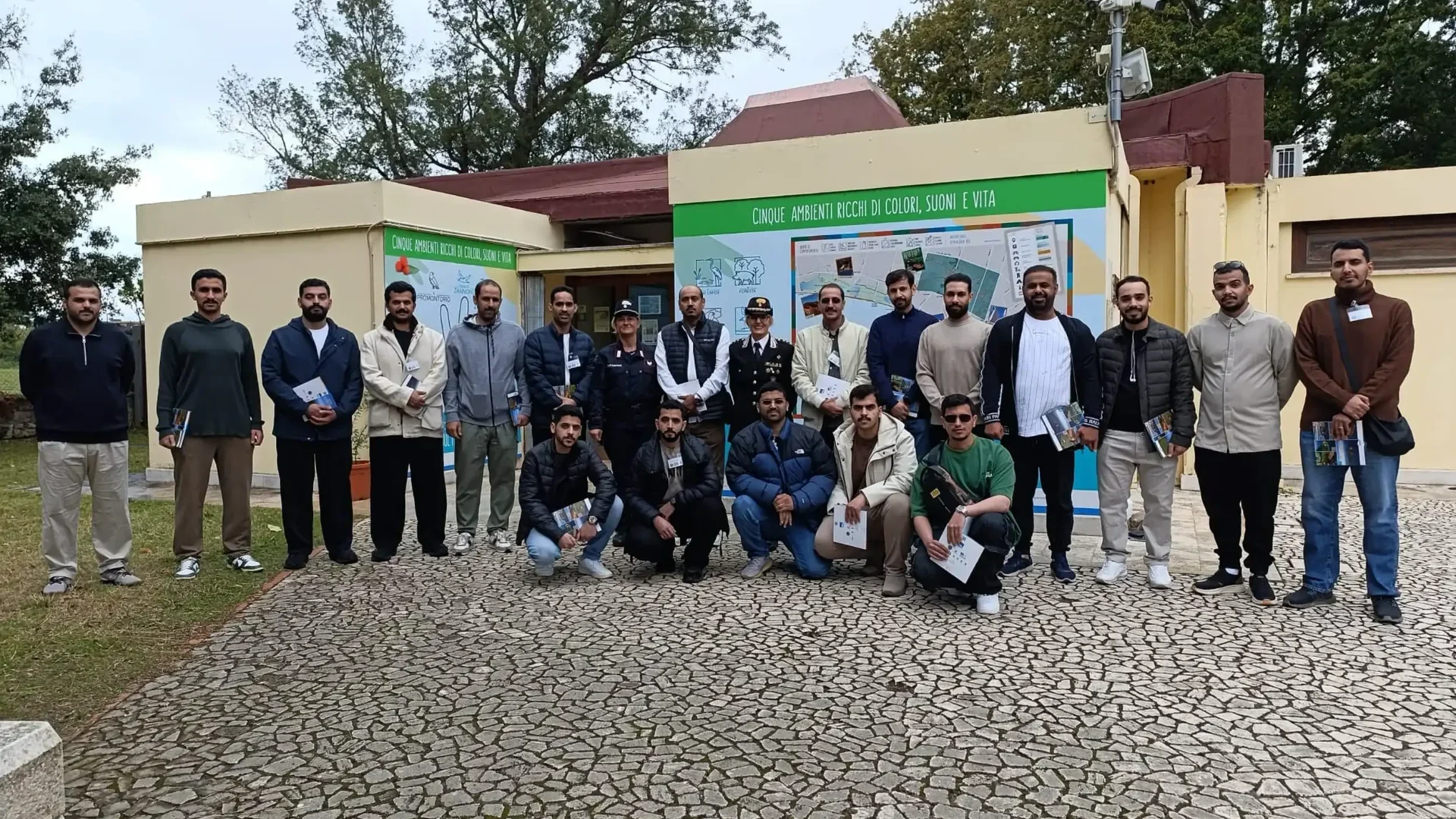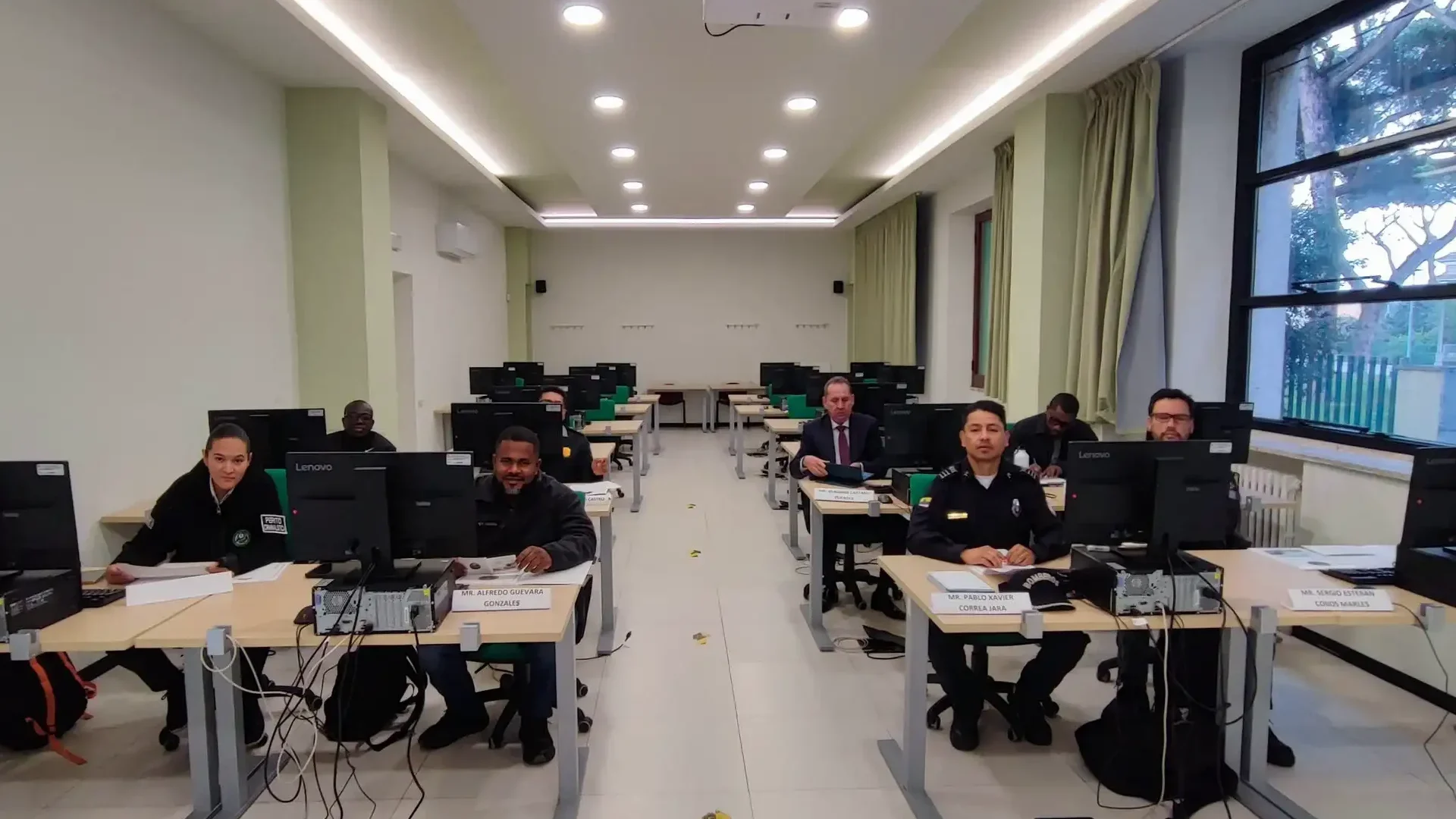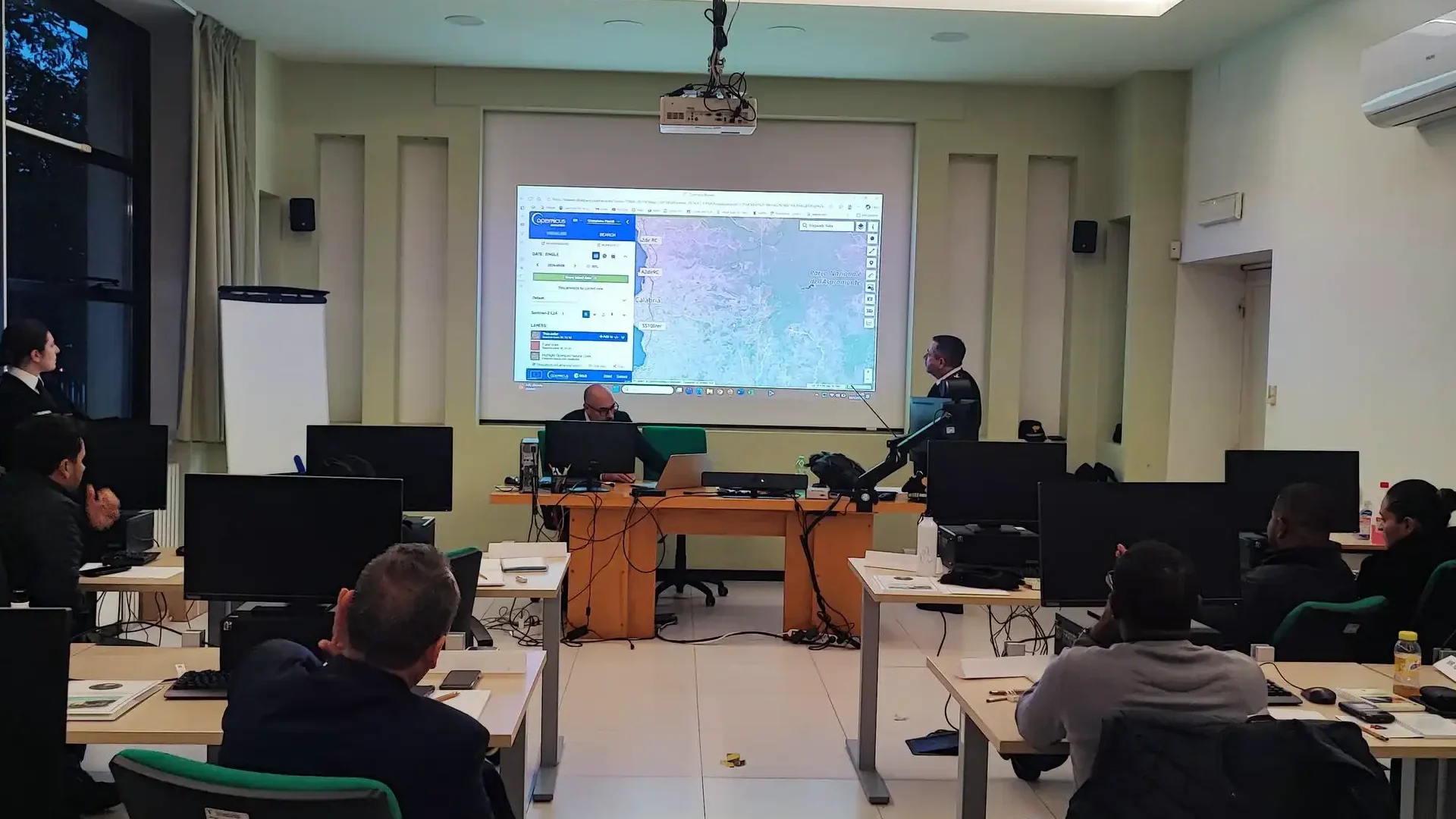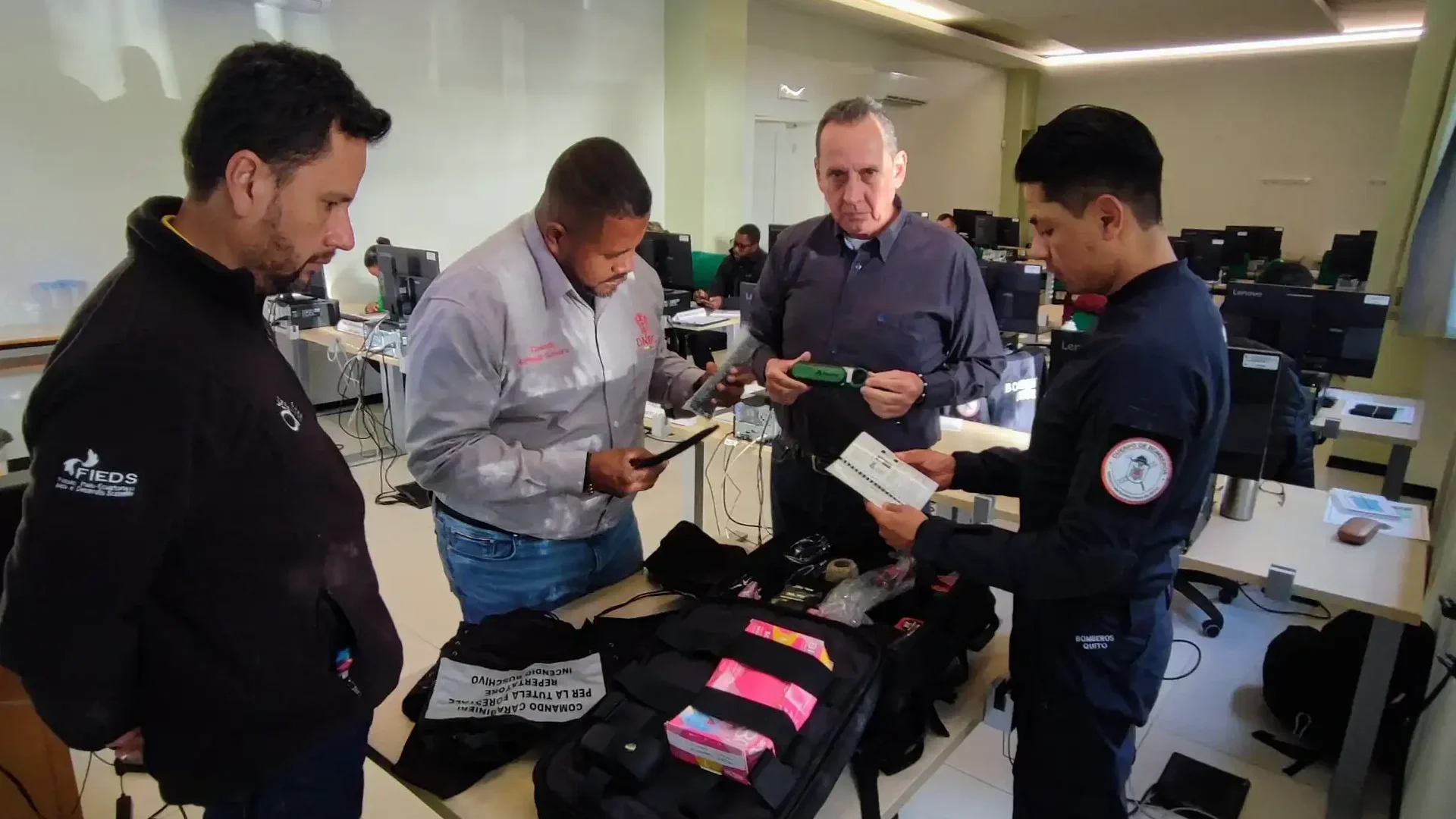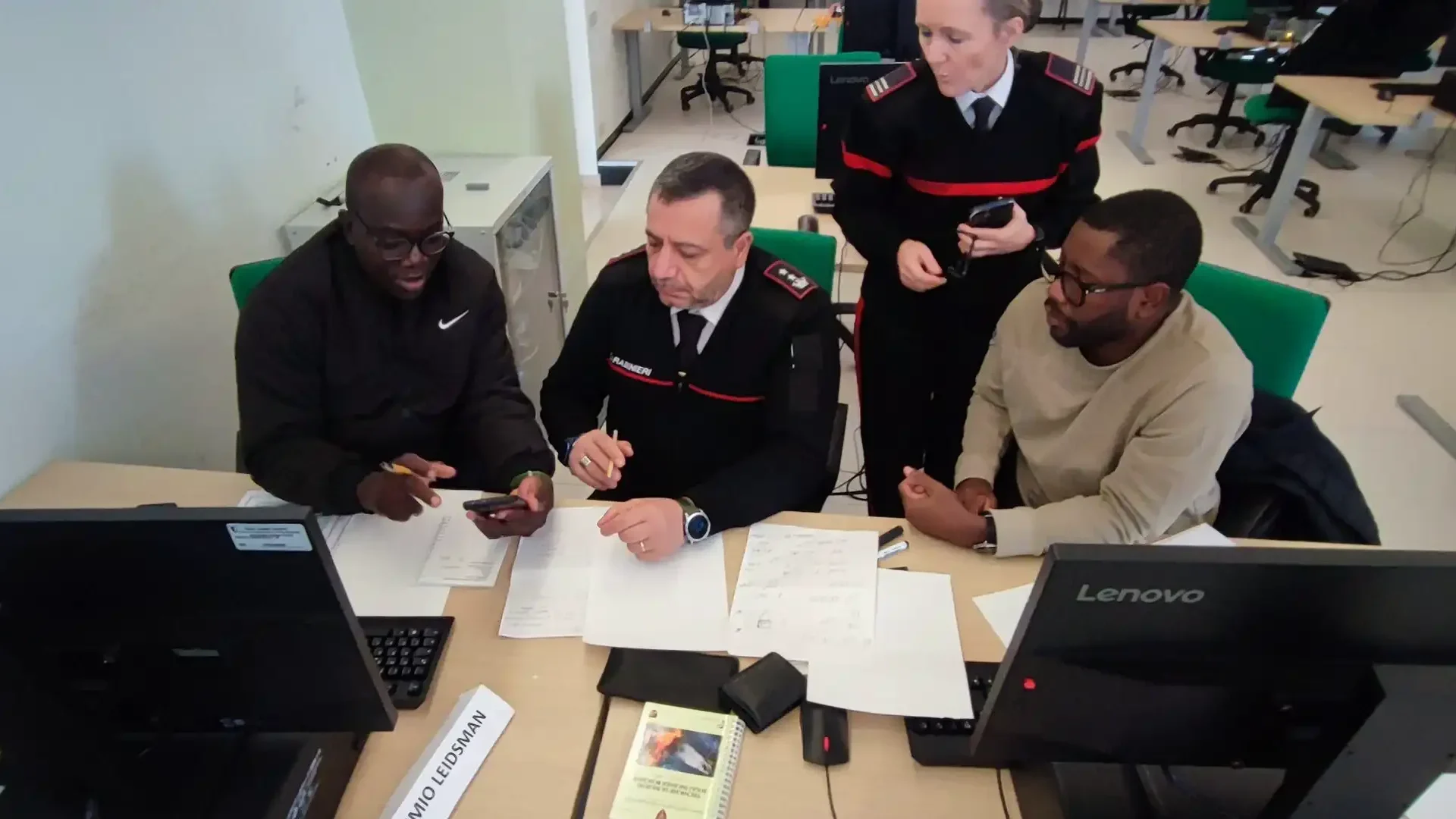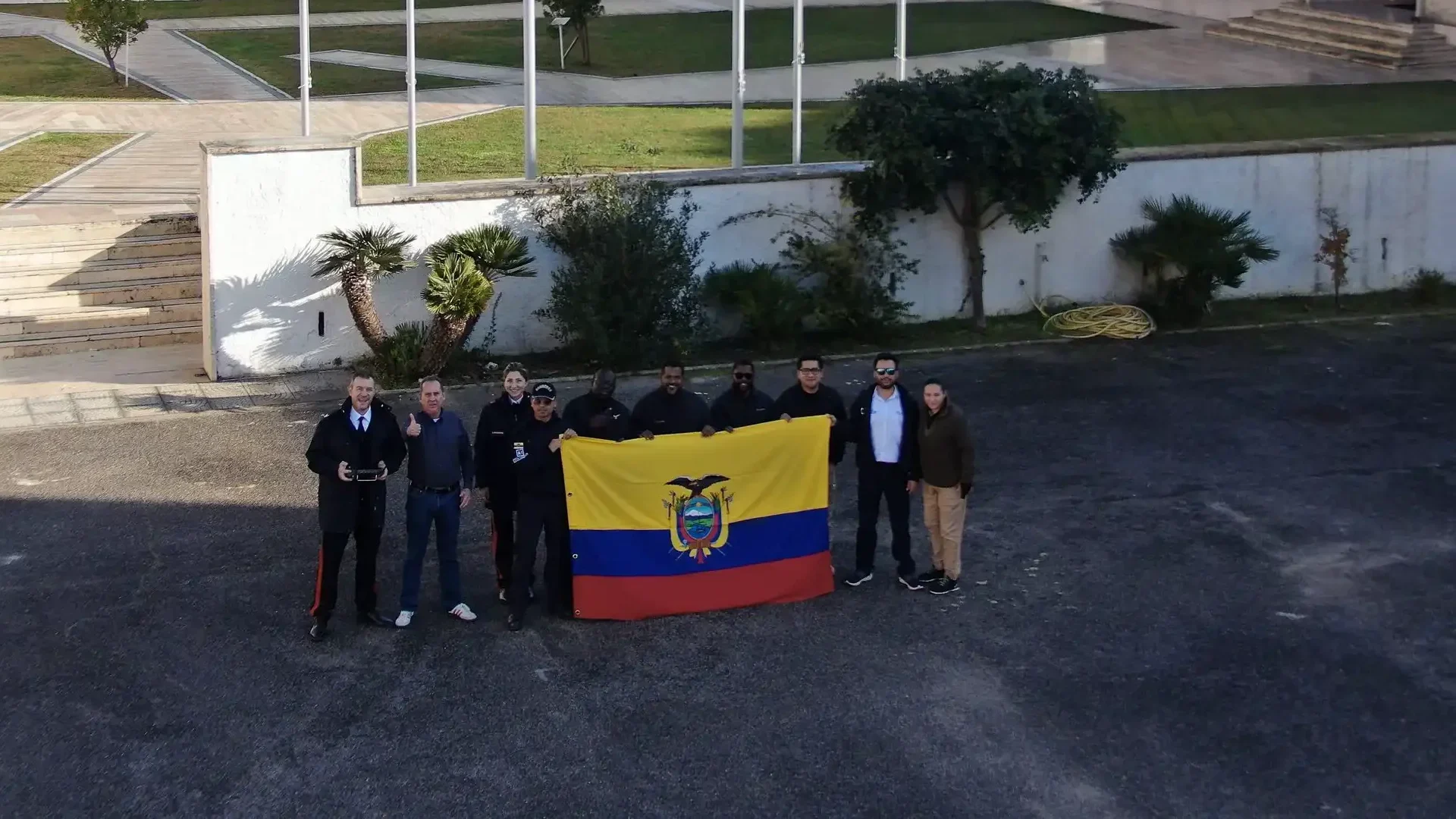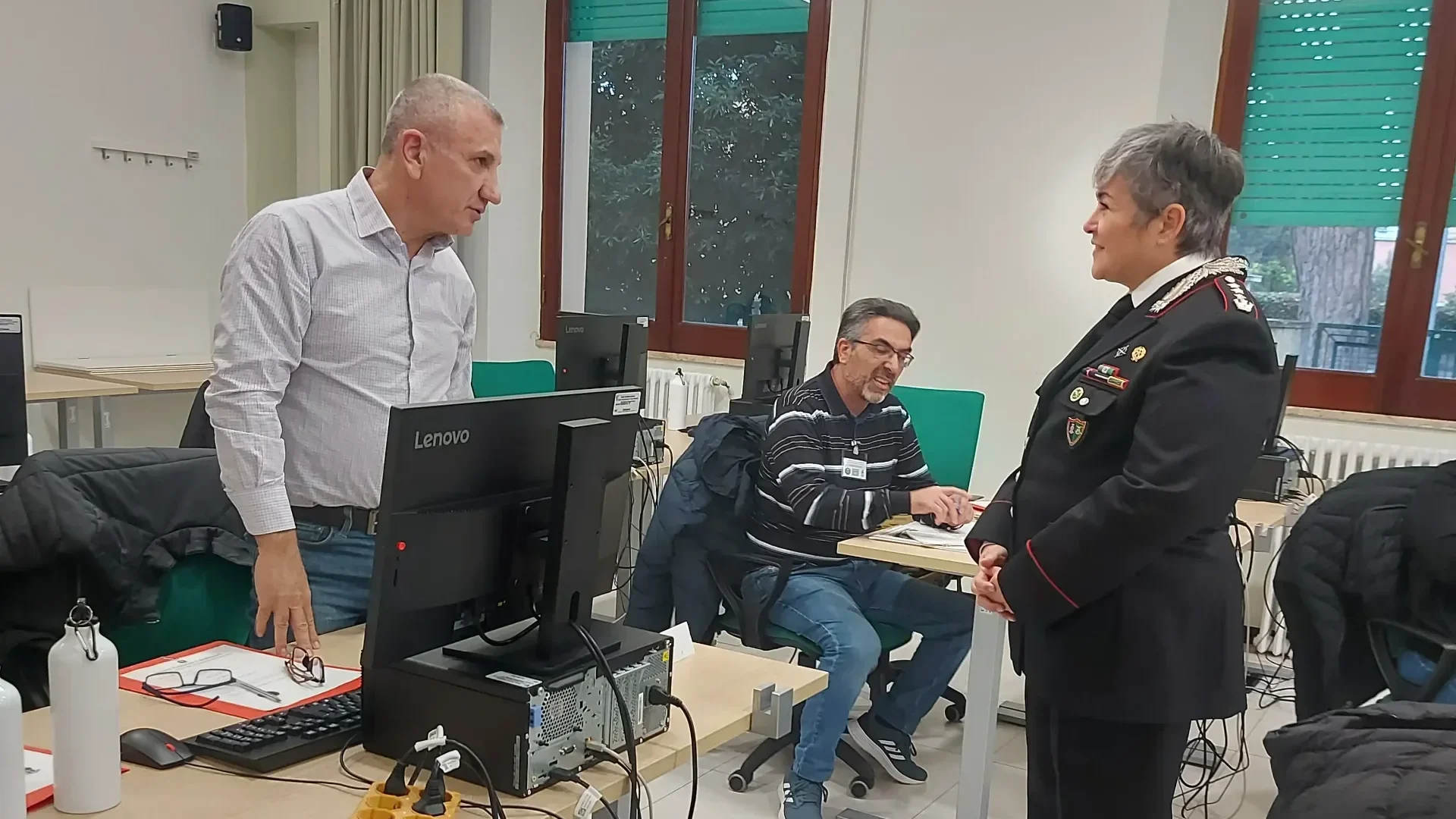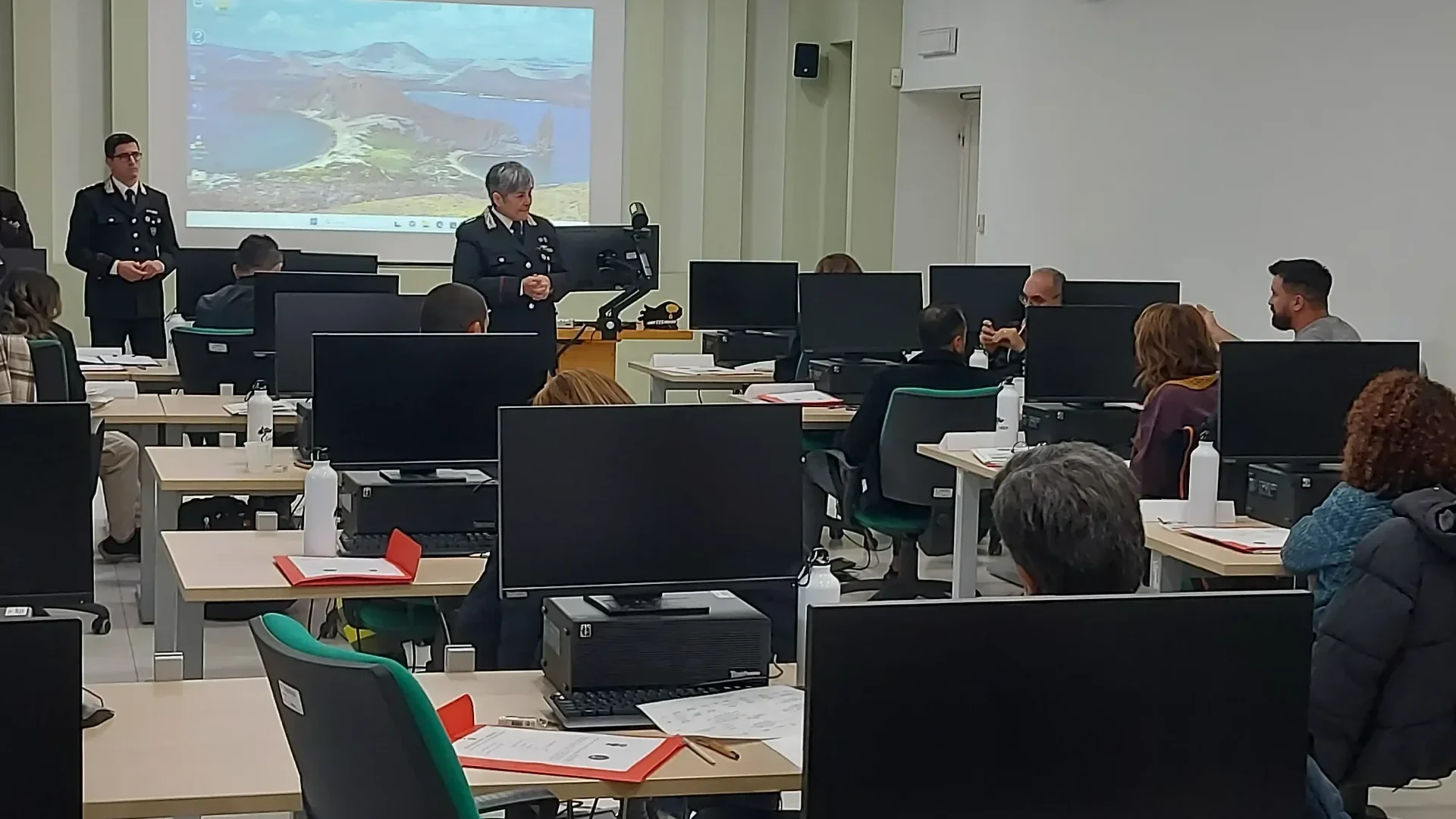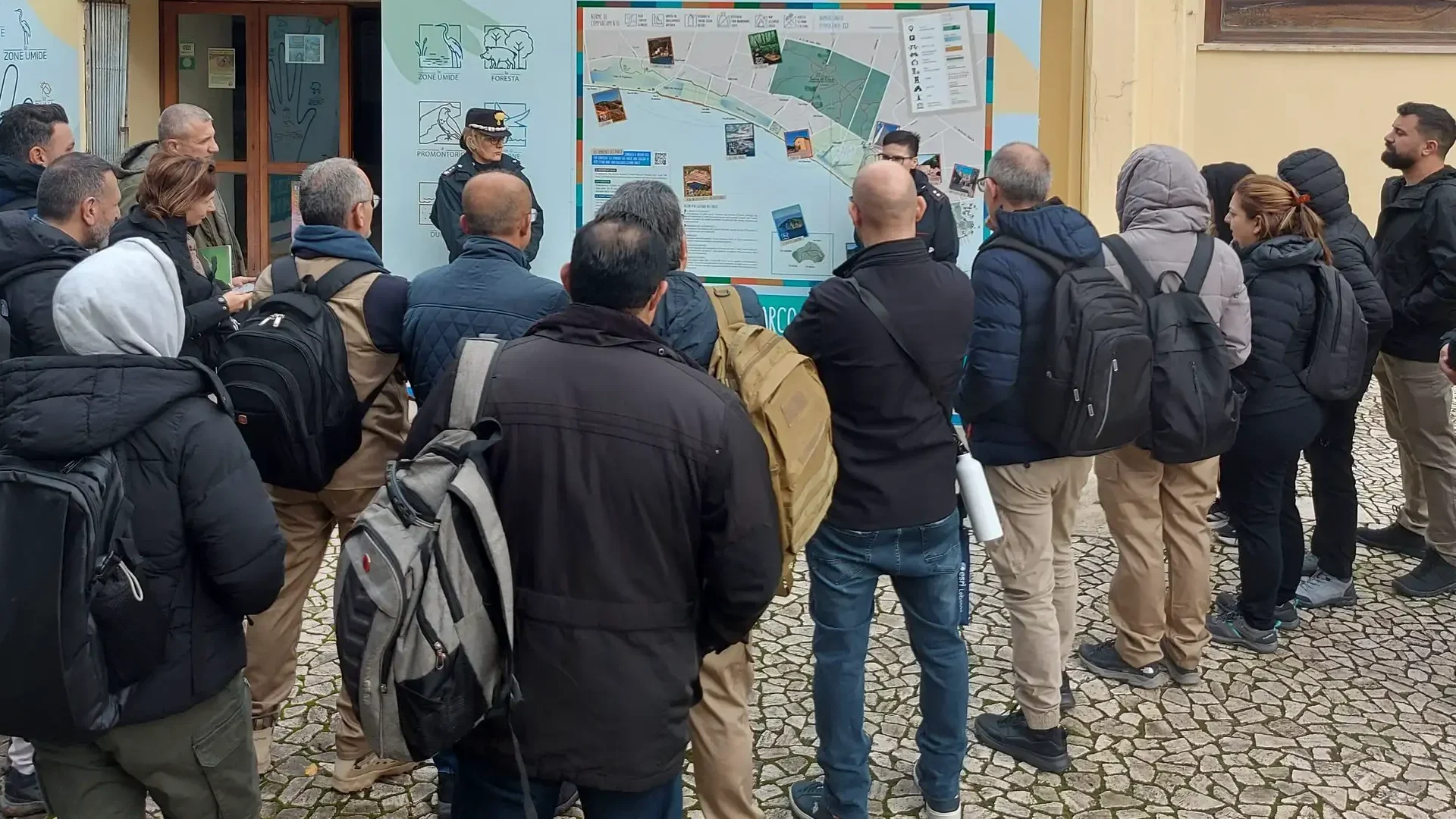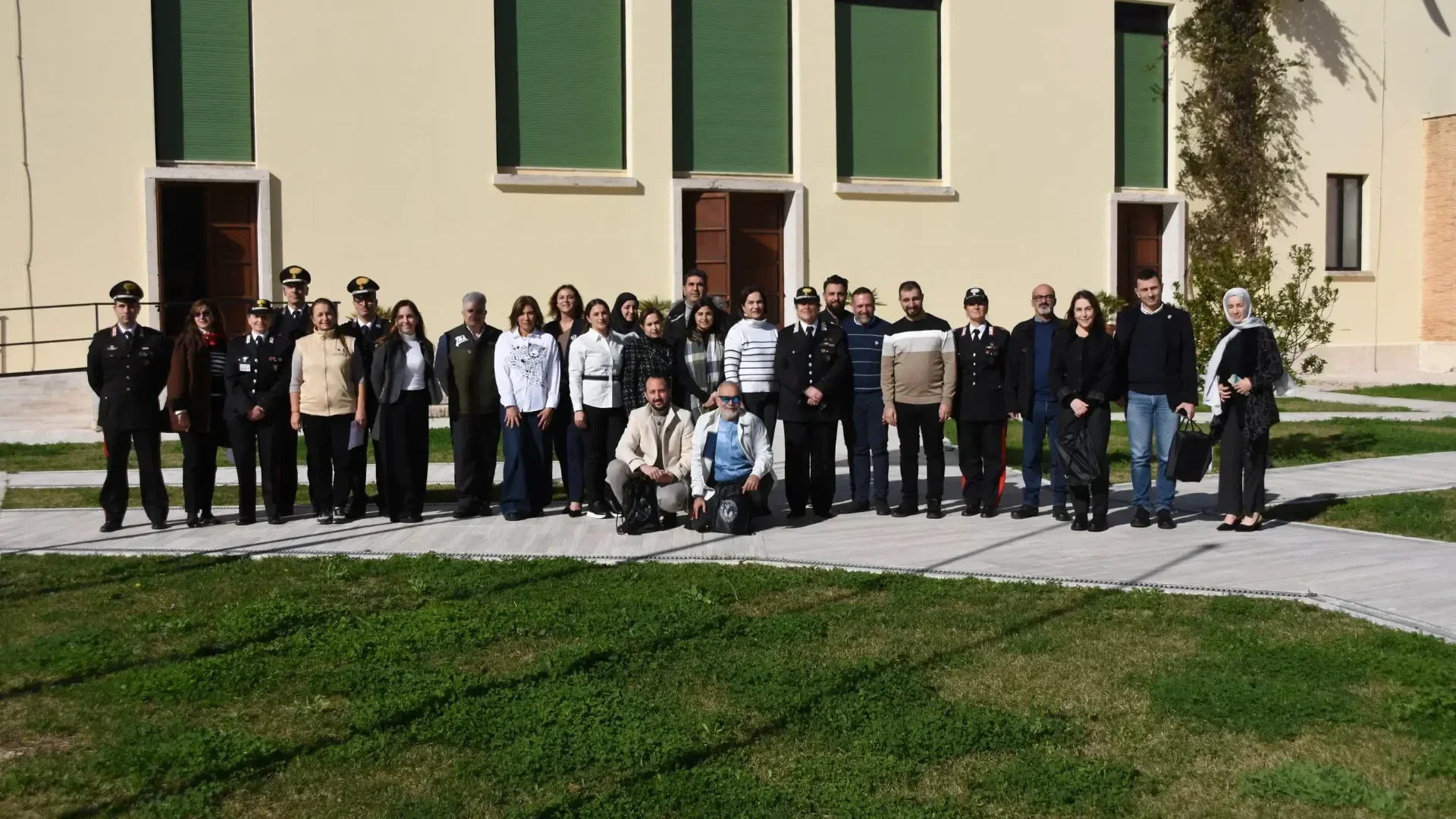

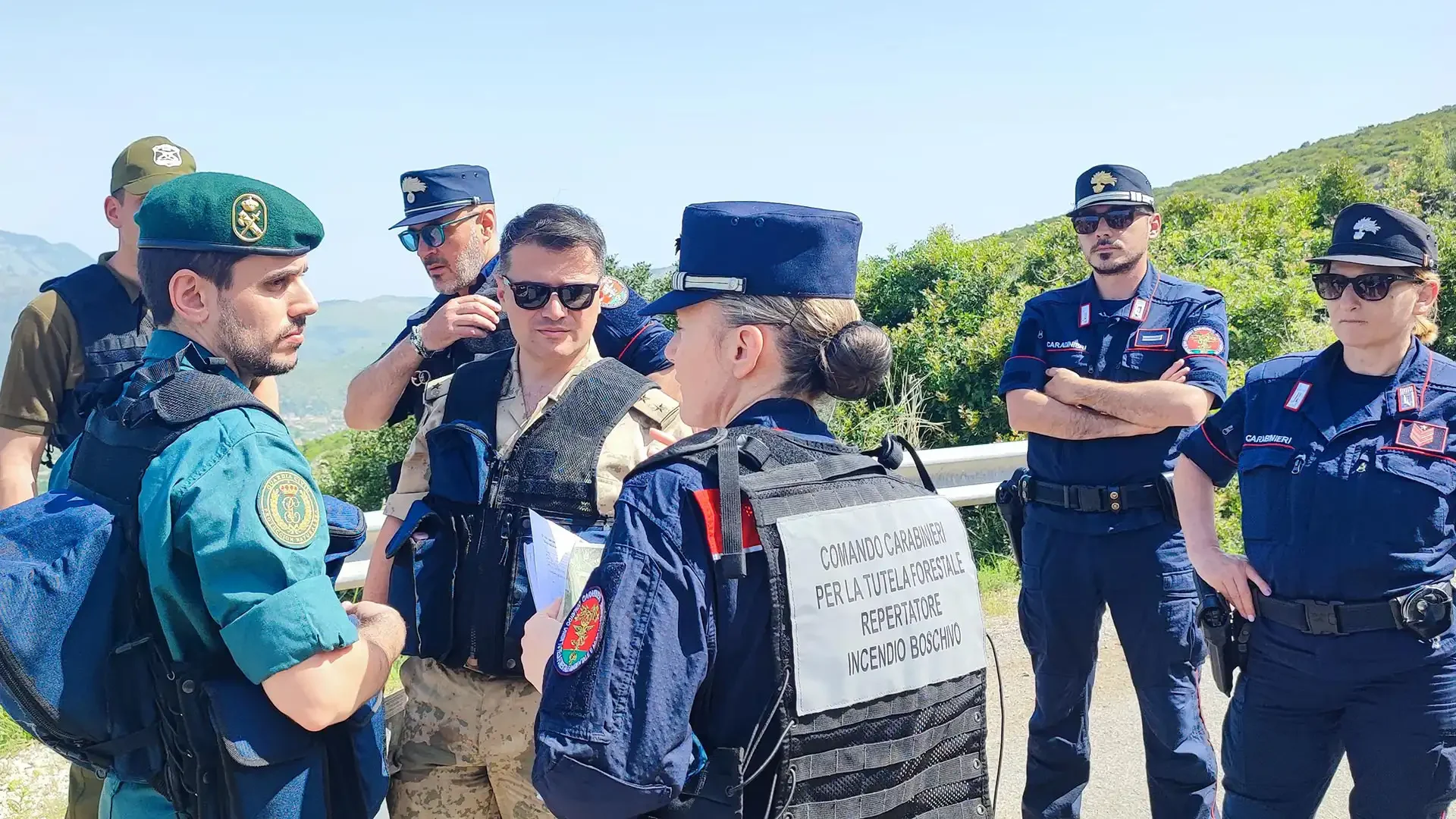
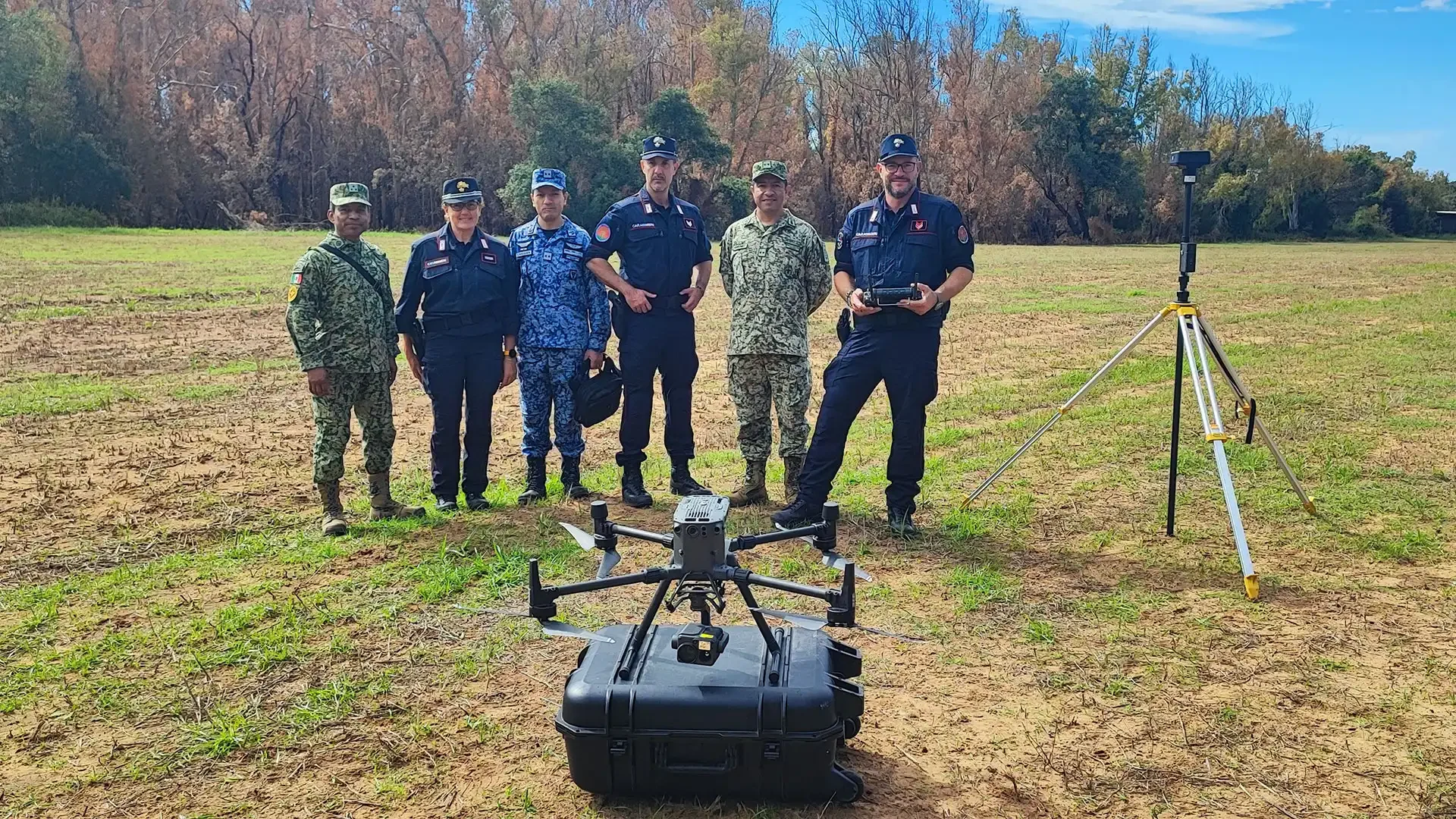
In an international context, the Center plays a key role in fostering the exchange of best practices and operational methodologies among law enforcement authorities and management bodies operating in the environmental sector. It also contributes to the transfer of environmental governance principles to countries that need to acquire skills and experience, ensuring that their economic development is sustainable from an ecological perspective.
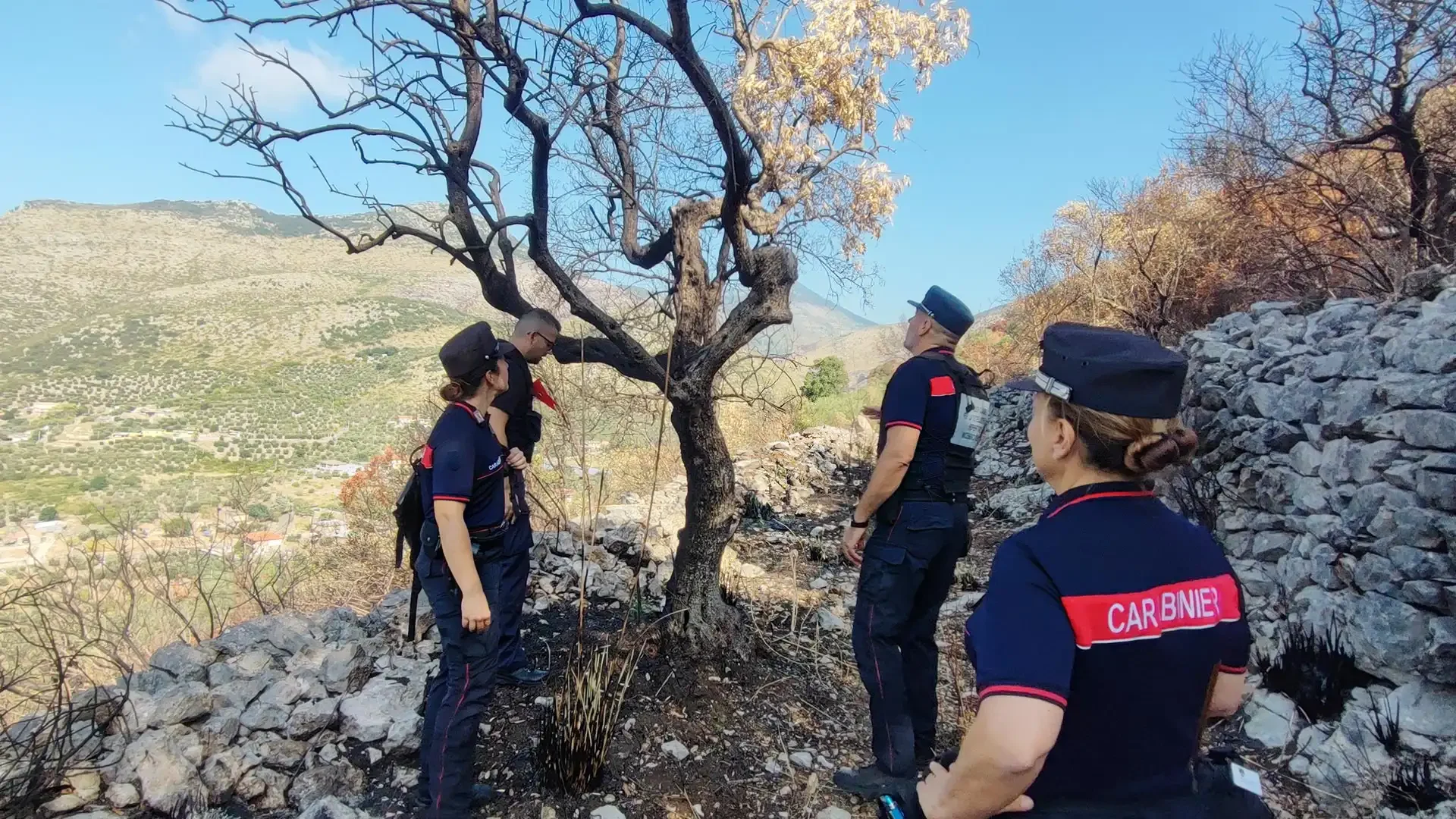
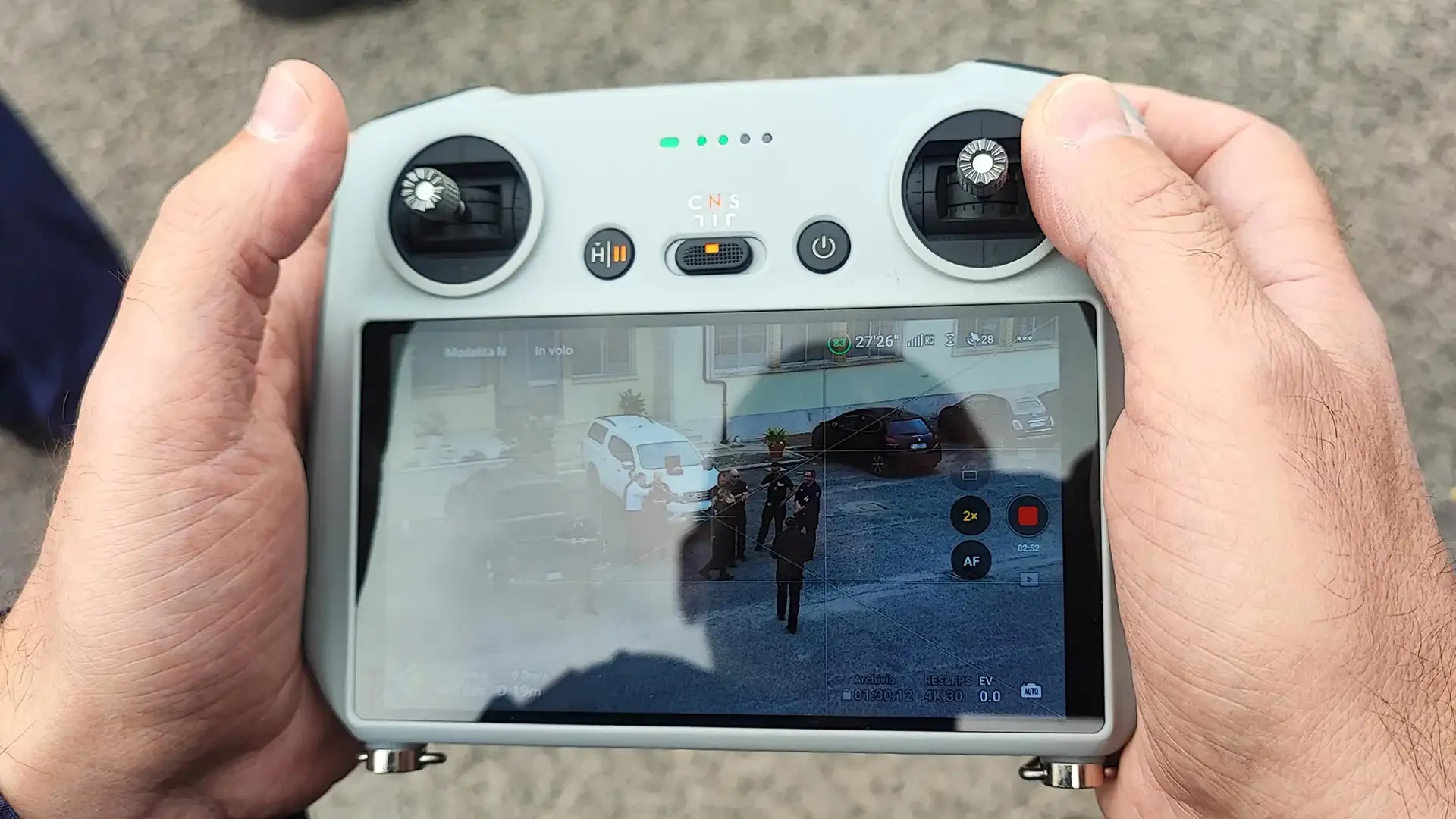
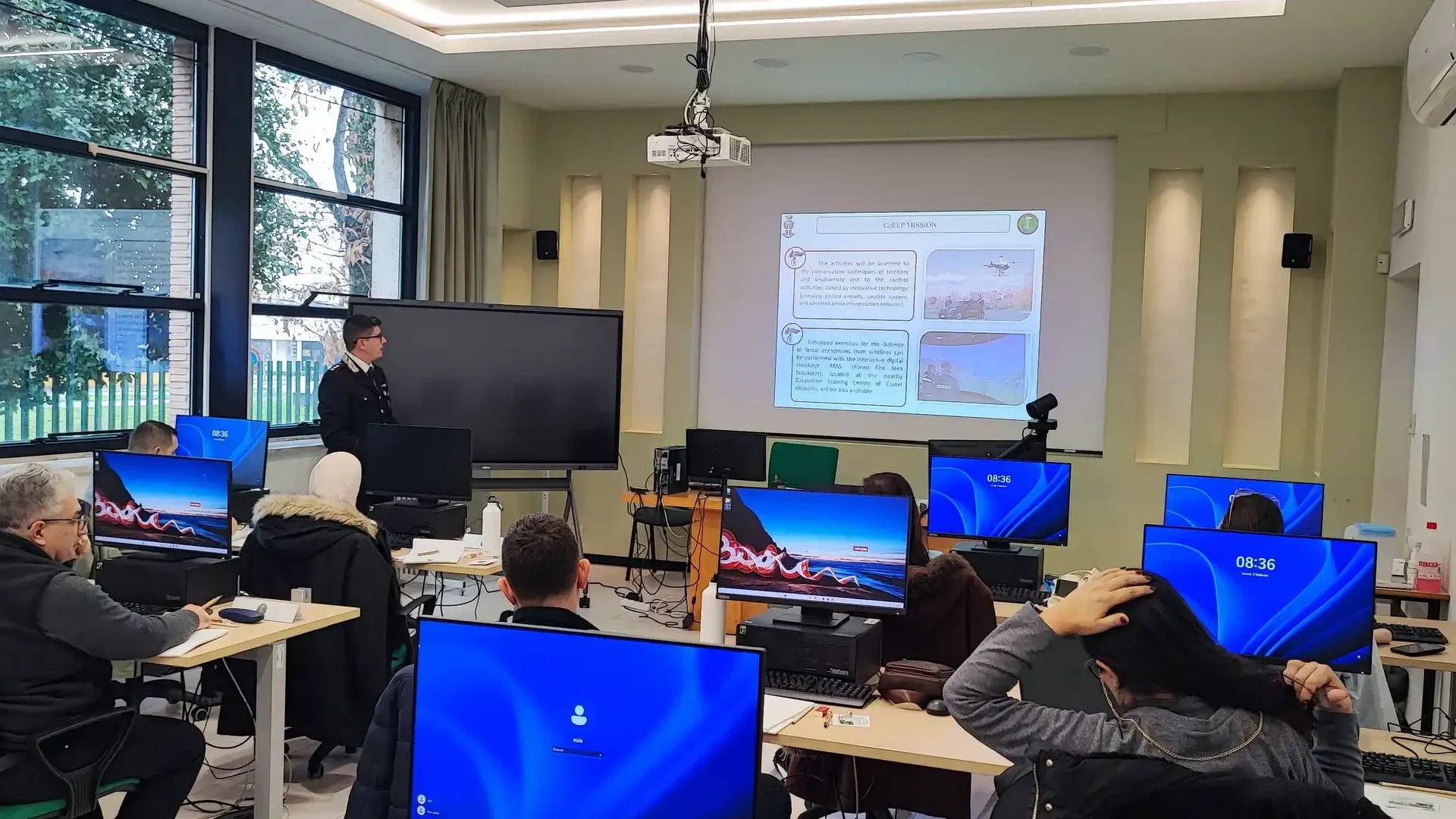
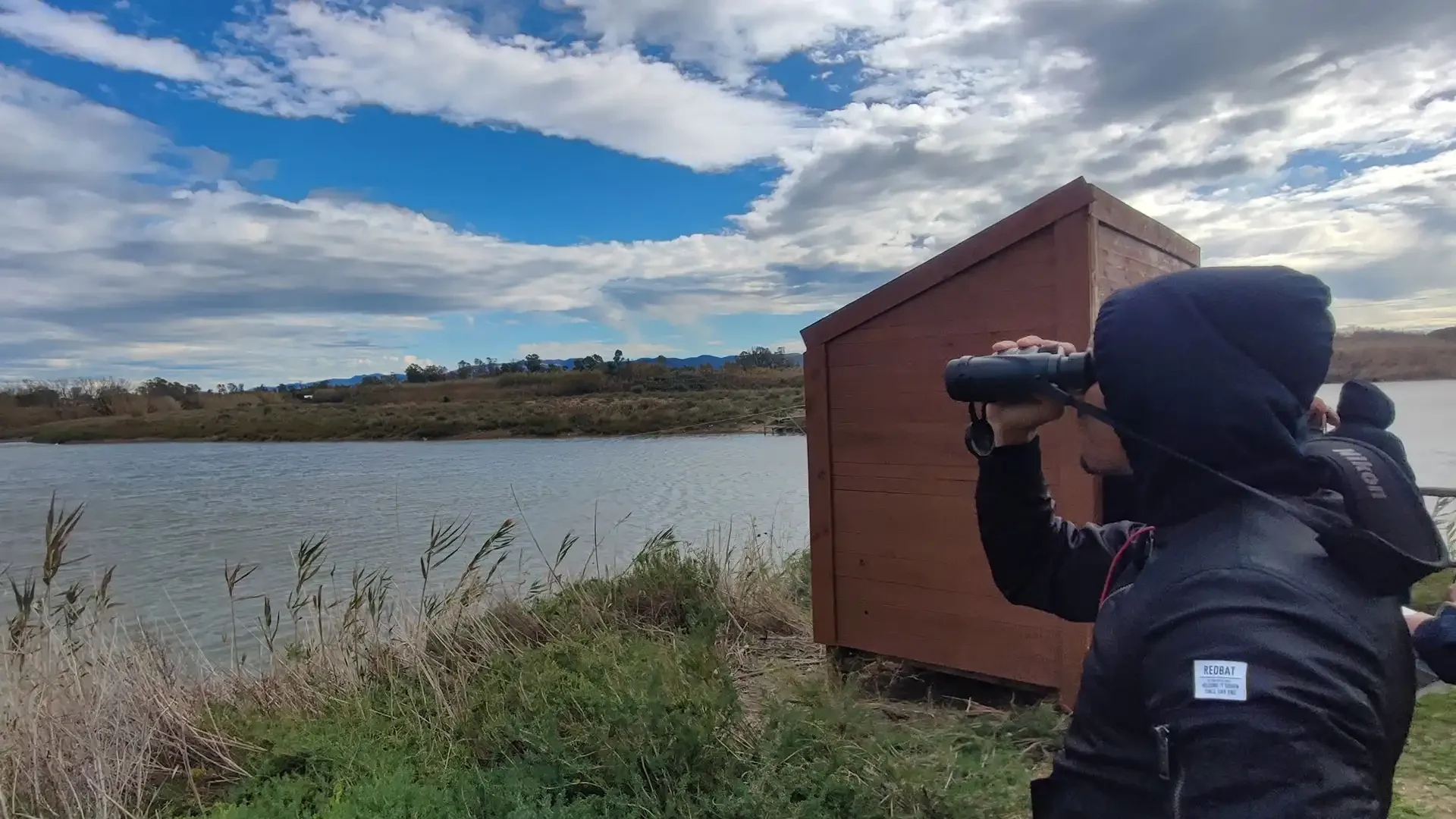
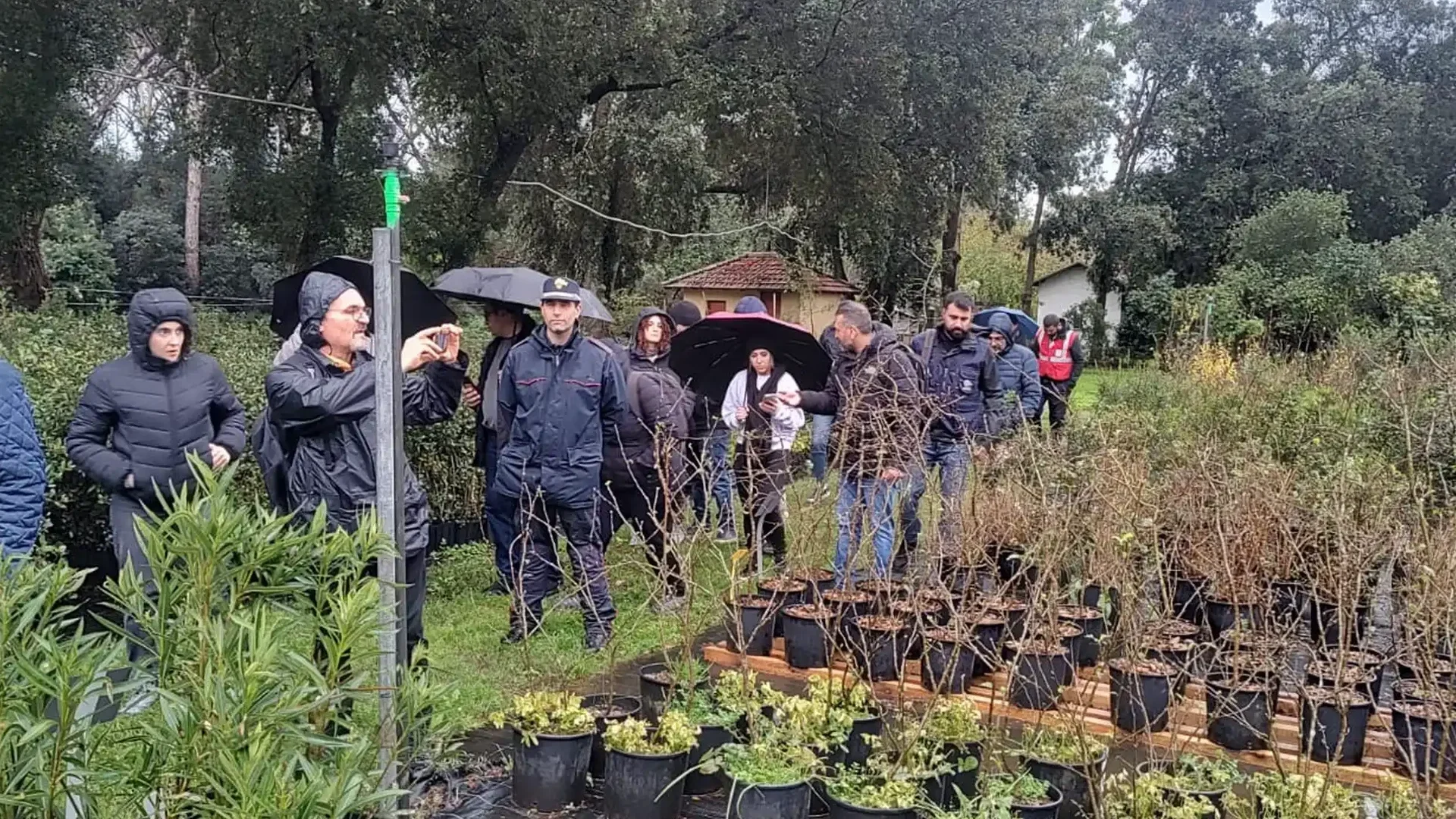
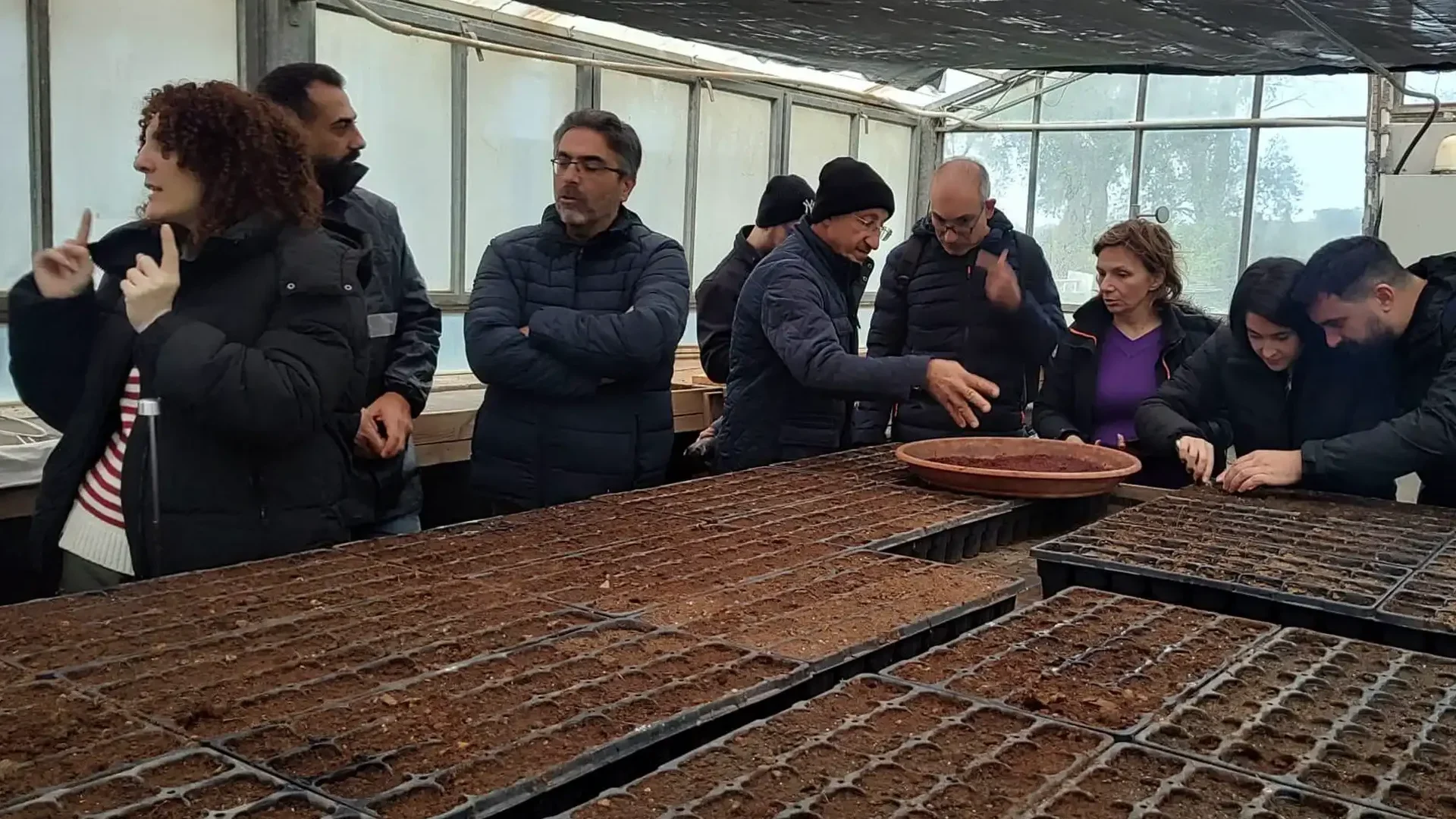
The activities focus on techniques for the conservation of territory and biodiversity, including reforestation and the fight against soil erosion, the inventory of endangered animal and plant species, the protection of native species from invasive alien species, and hydrogeological protection. These activities can also benefit from the use of an advanced interactive digital simulator designed for complex exercises aimed at defending forest ecosystems from fires. A Forest Fire Area Simulator (FFAS) is located at the nearby Carabinieri Training Center in Castel Volturno.
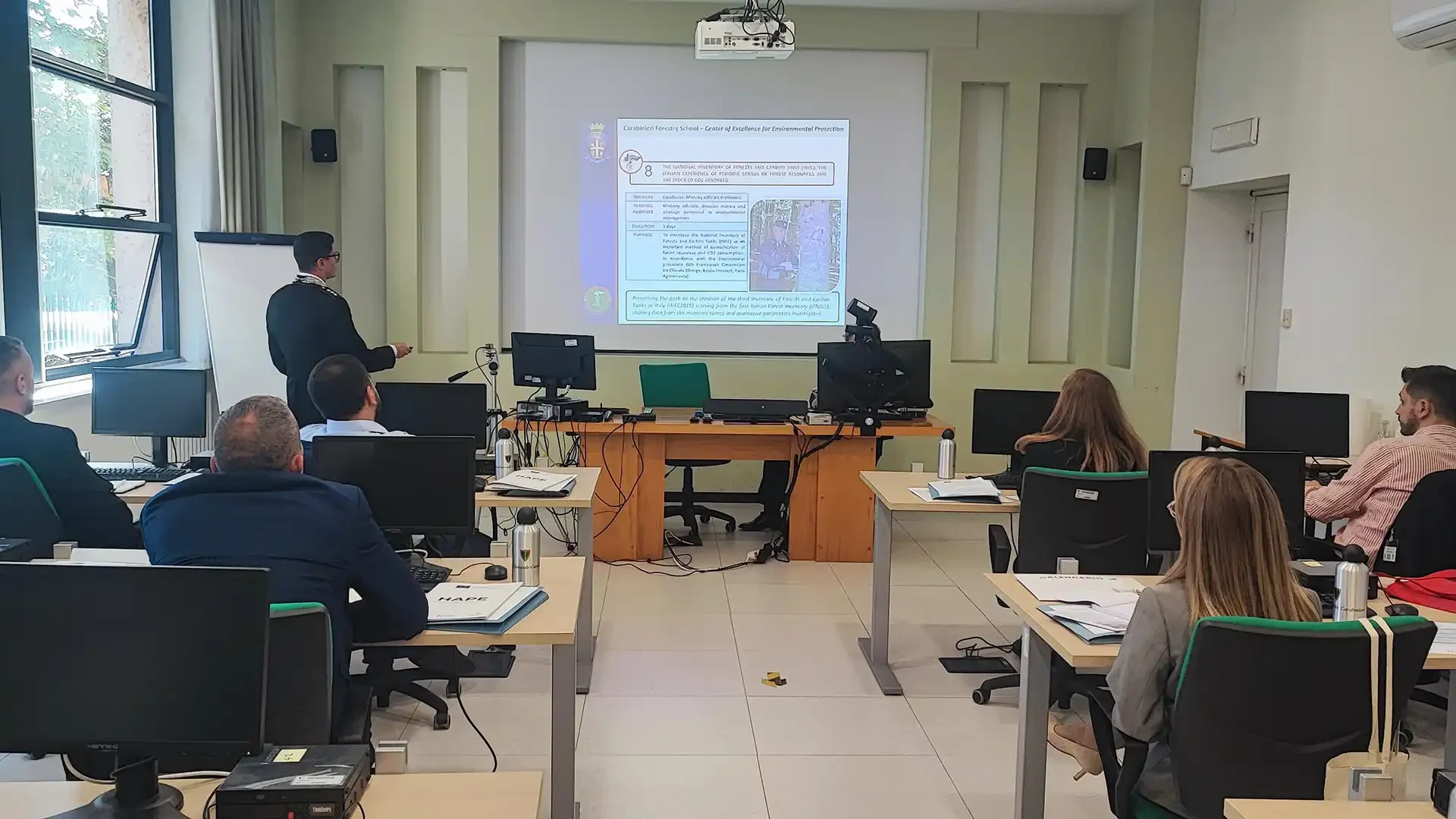
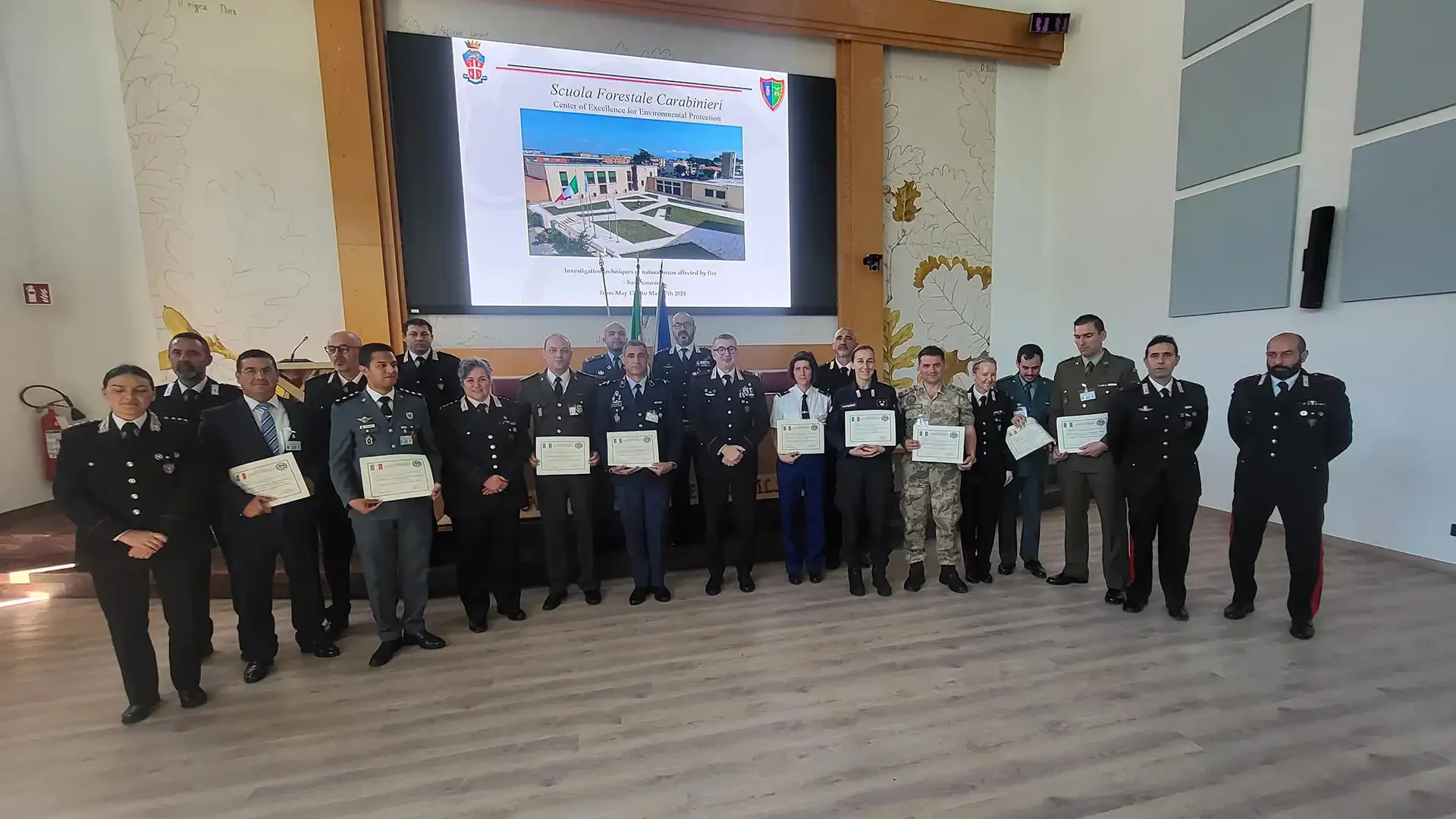
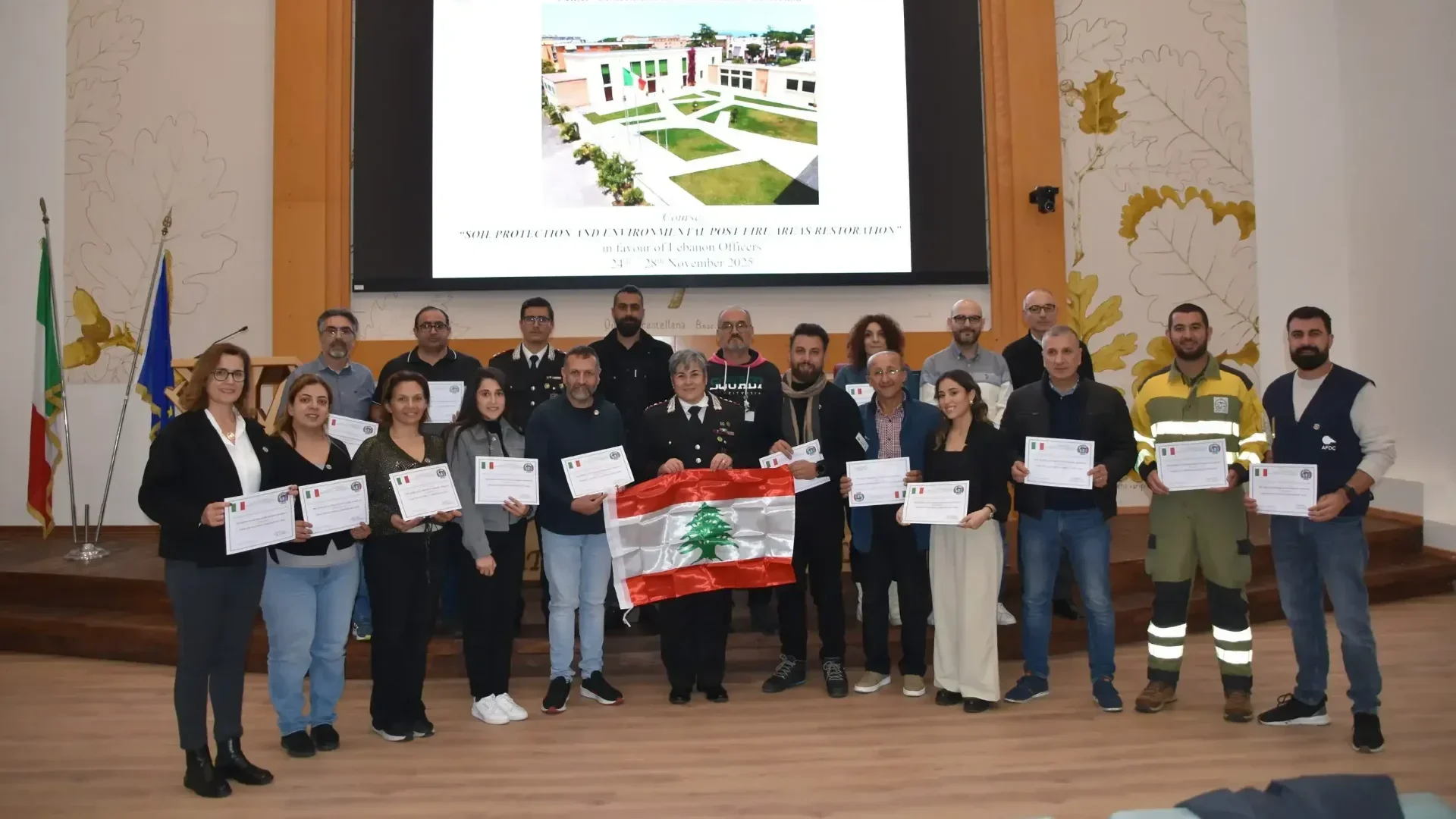
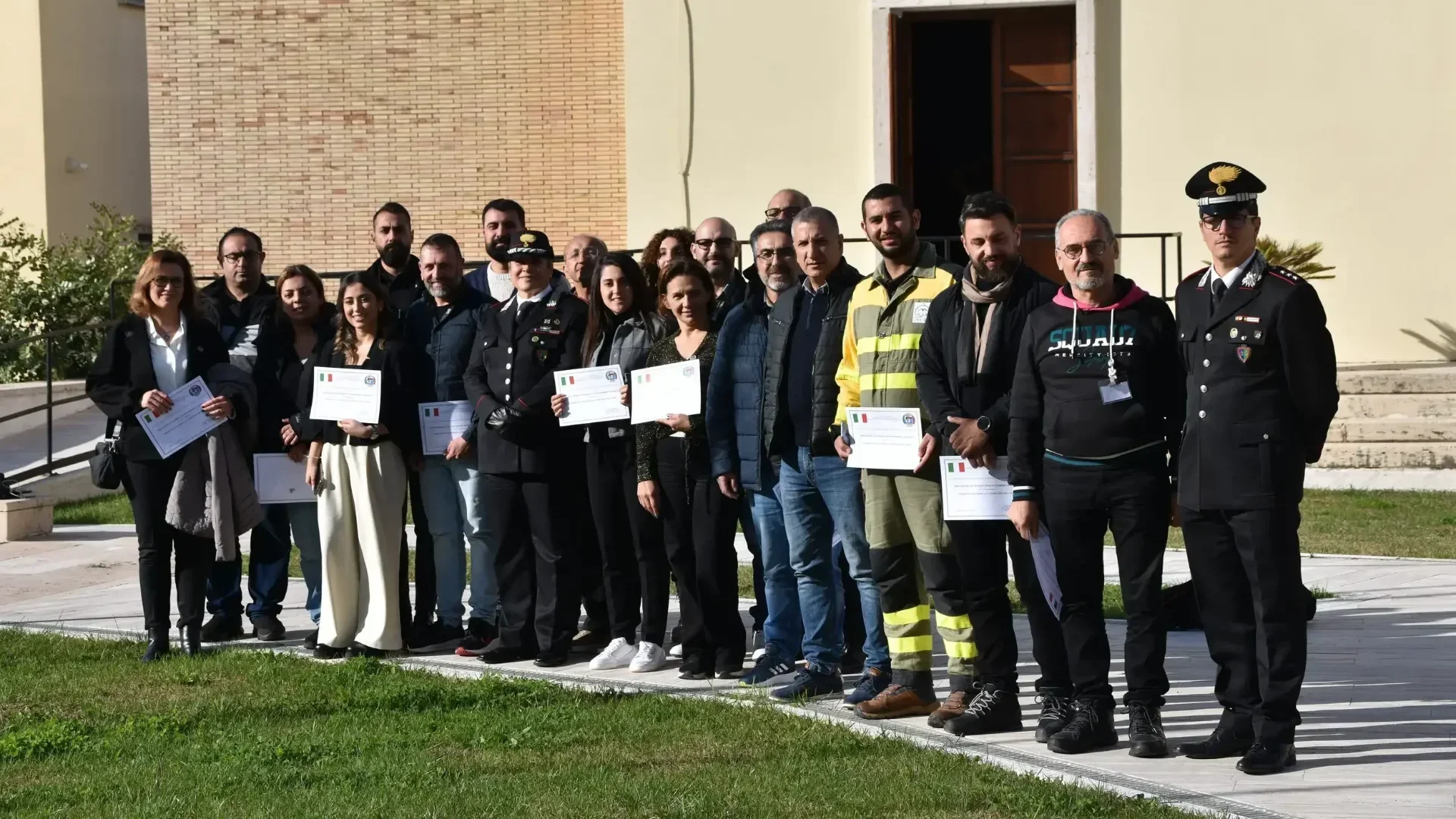
In particular, training modules with a minimum duration of five days have been developed, creating an interdisciplinary thematic pathway that can be structured, validated, and shared across different international contexts. The CoEEP training offer also includes the possibility of designing tailor-made training programmes, specifically adapted to the needs and requirements of individual countries and international organisations.
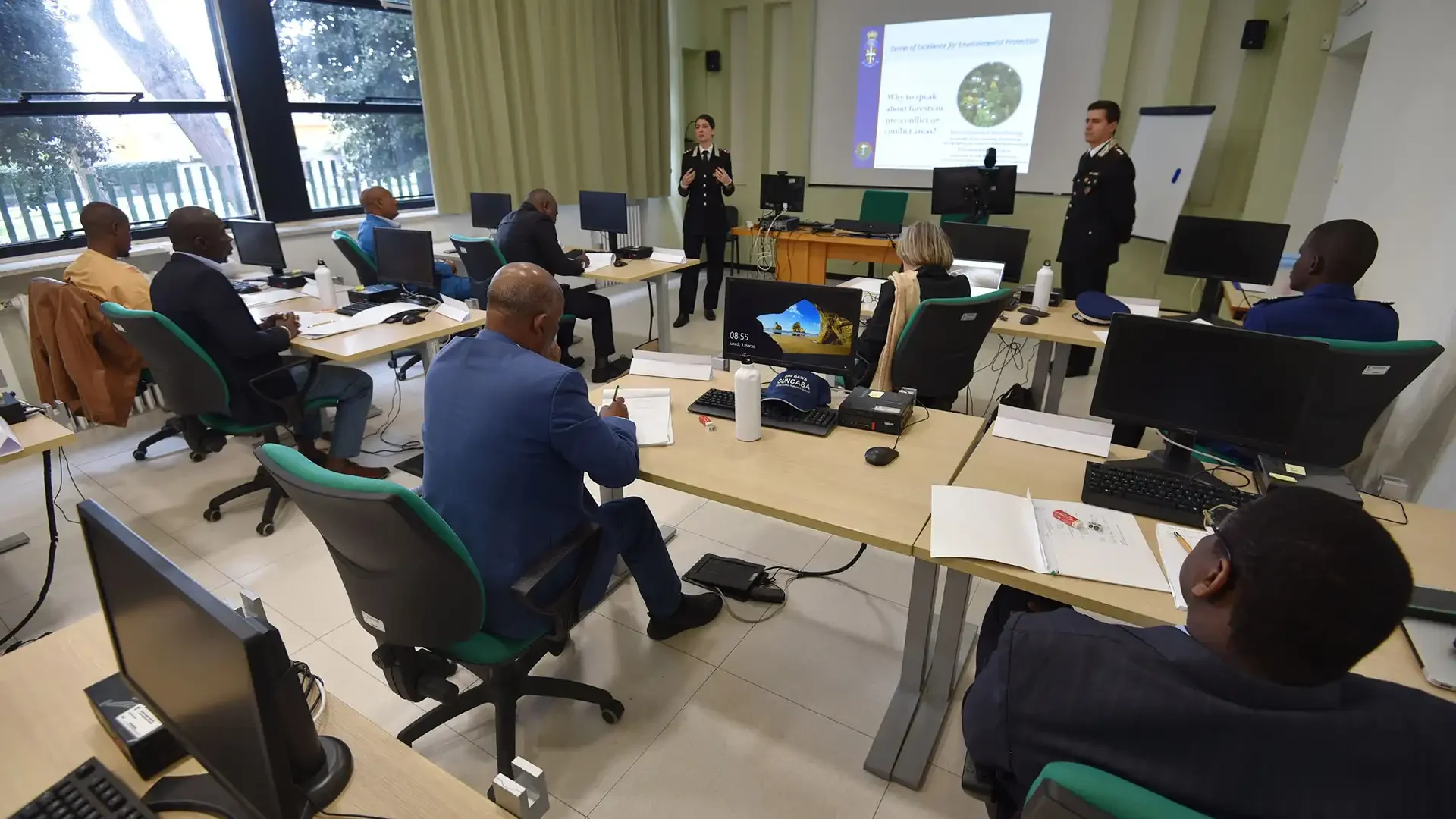
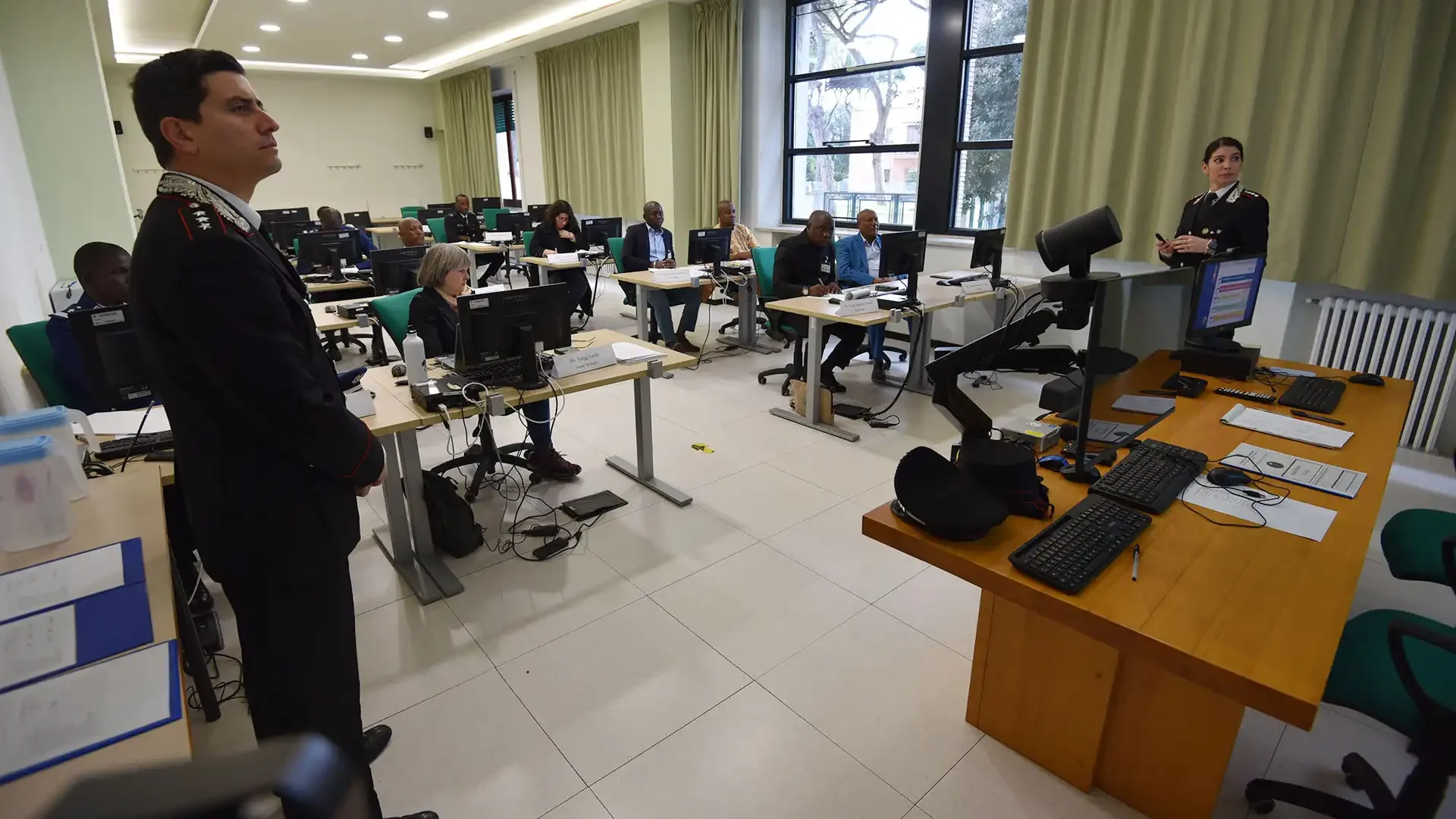
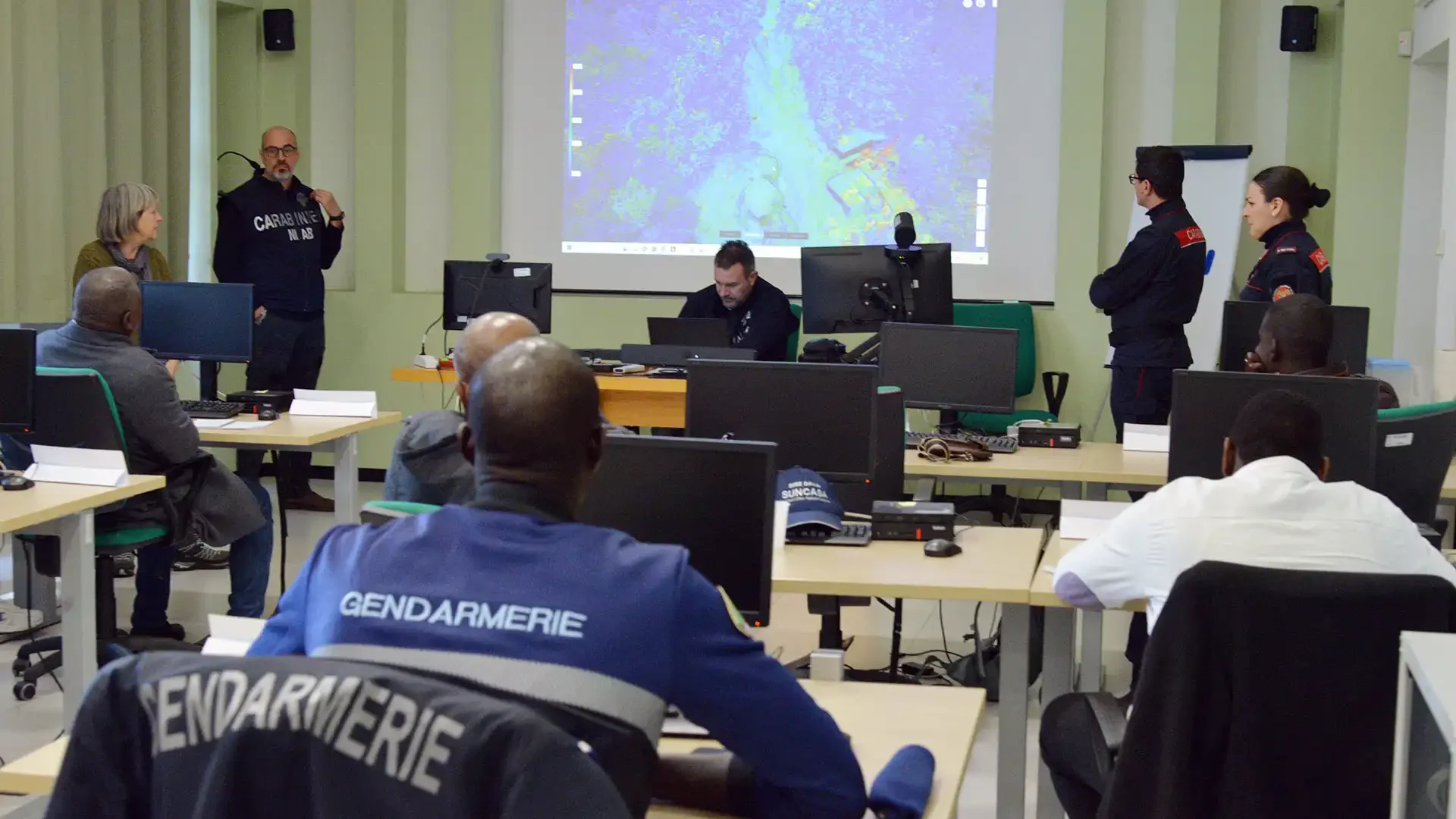
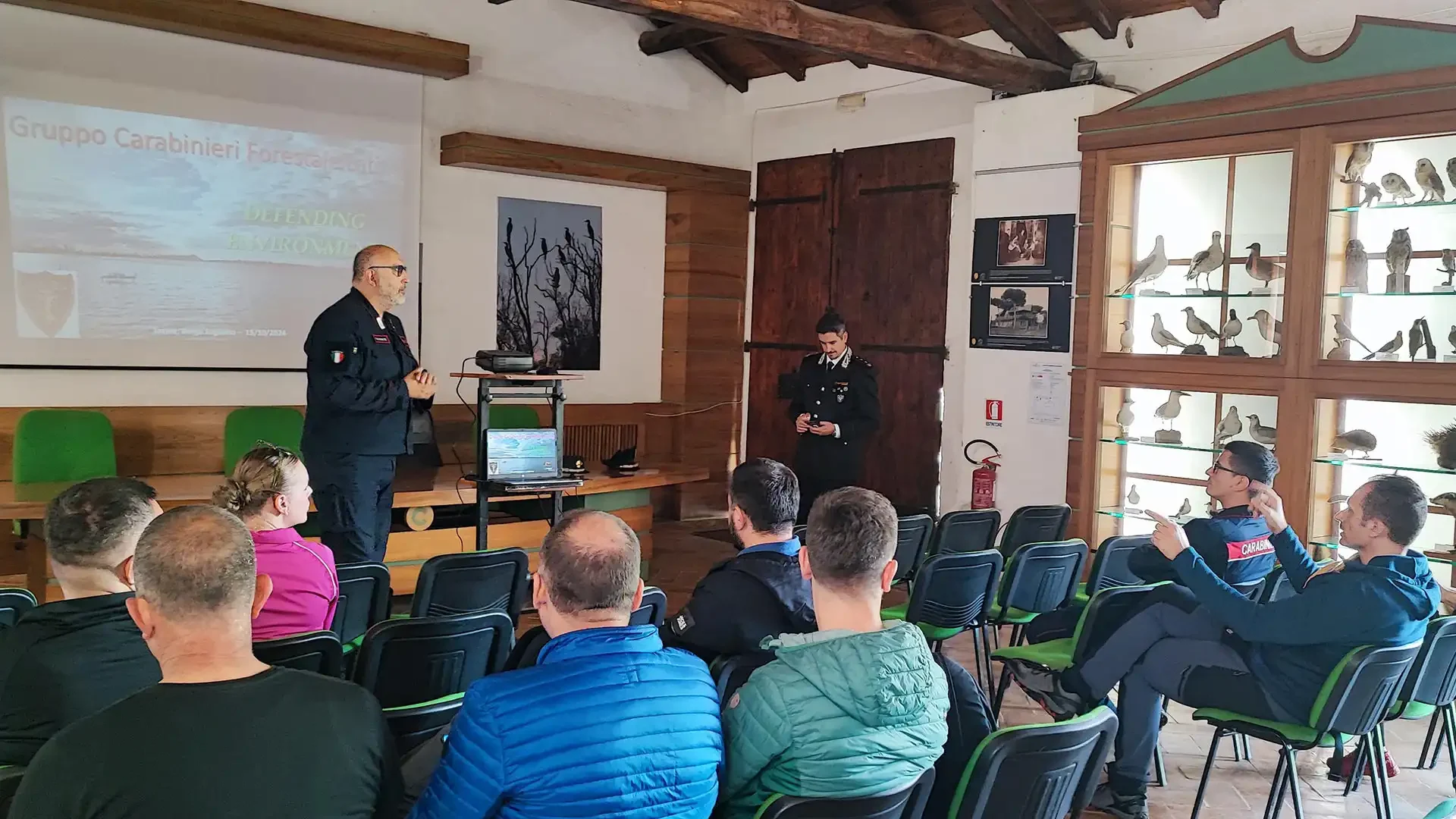
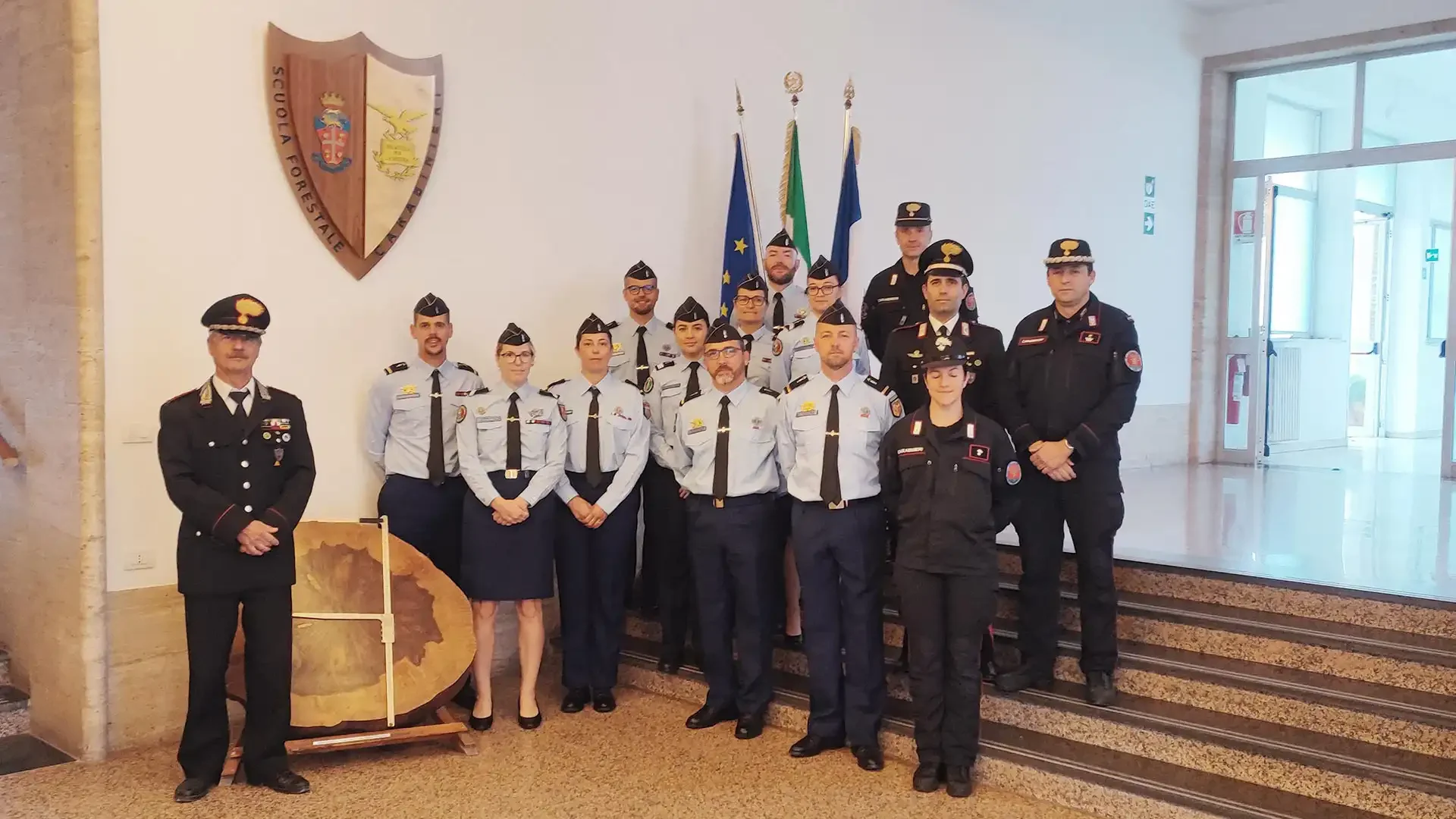
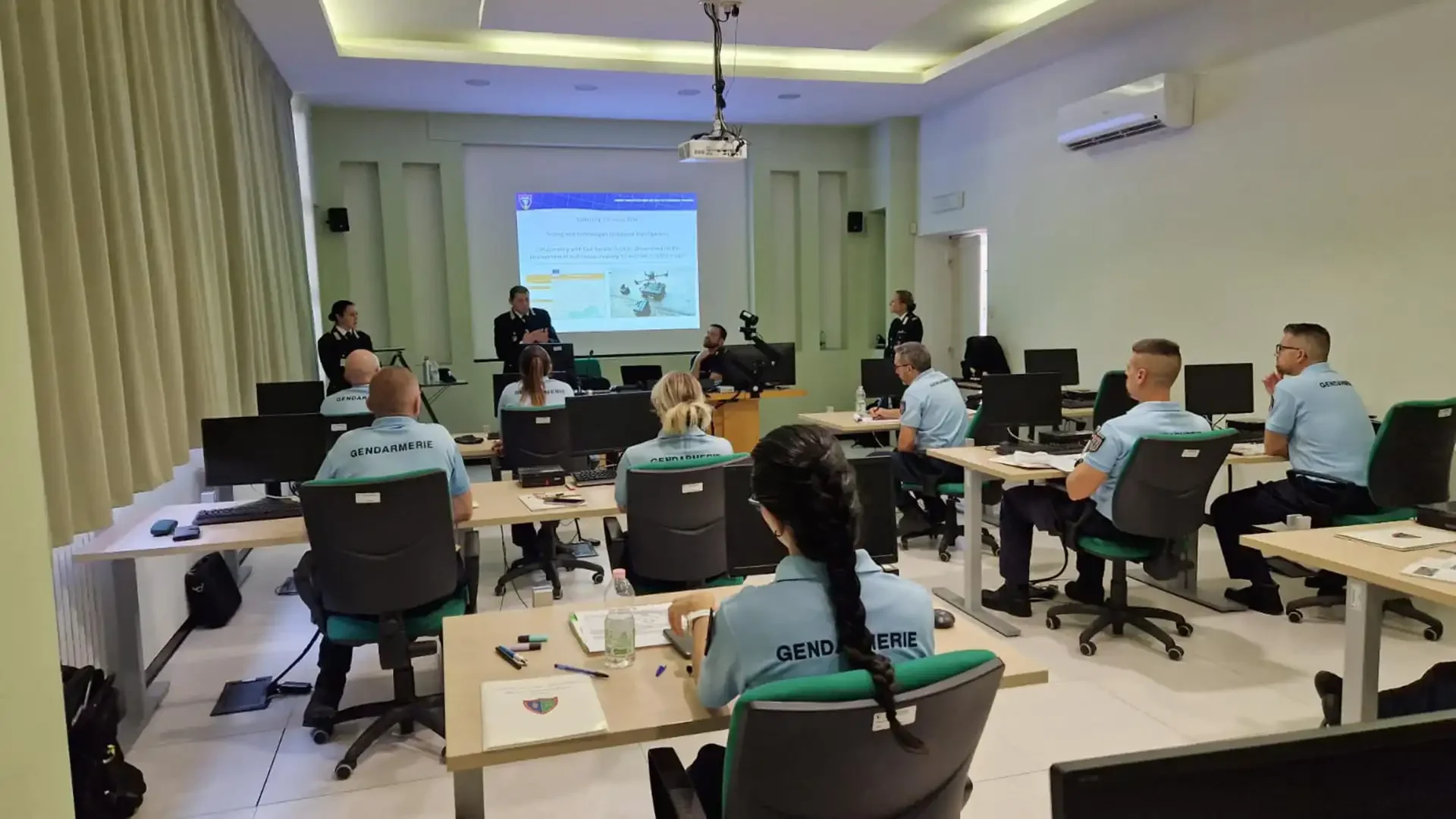
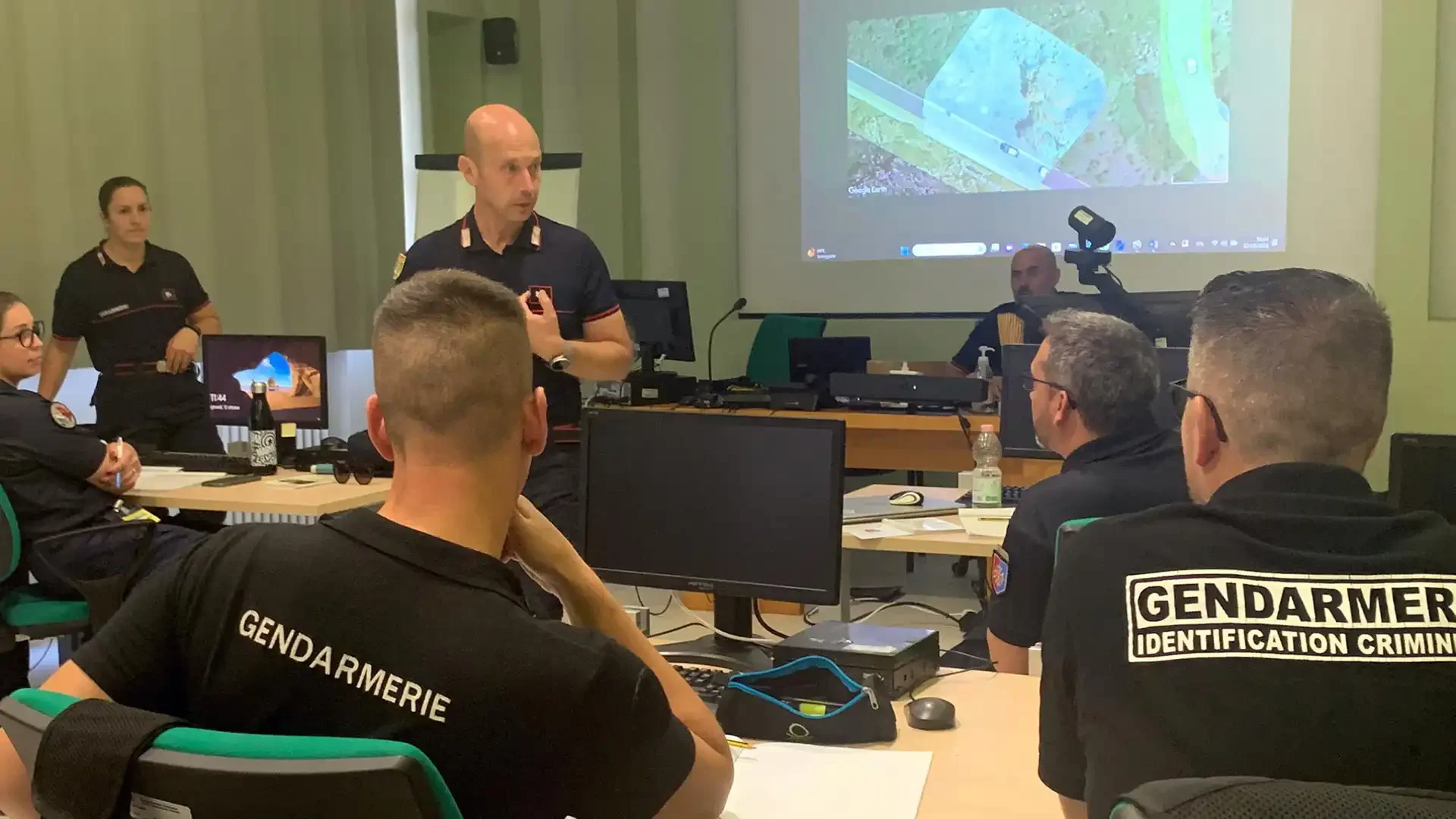
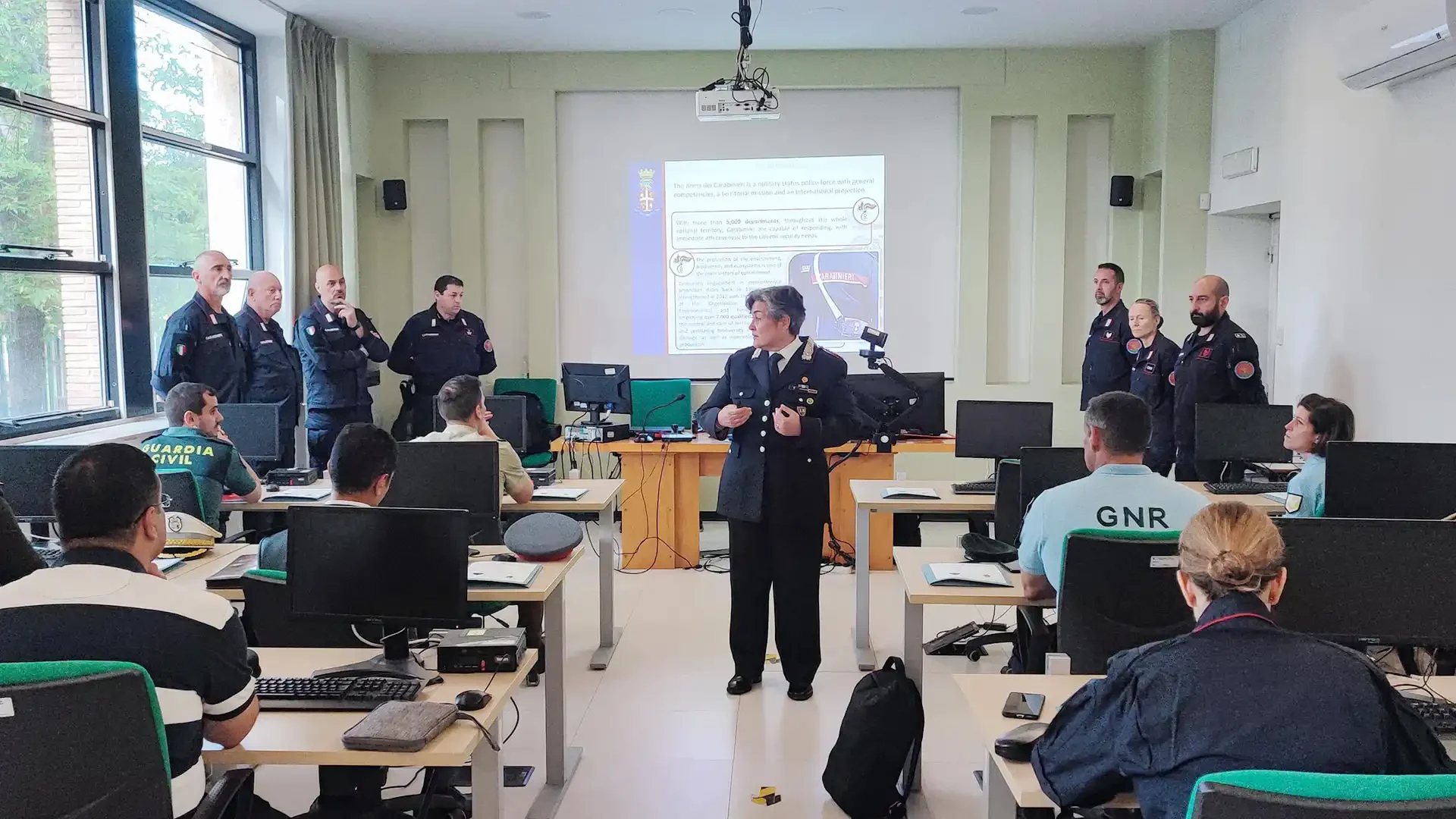
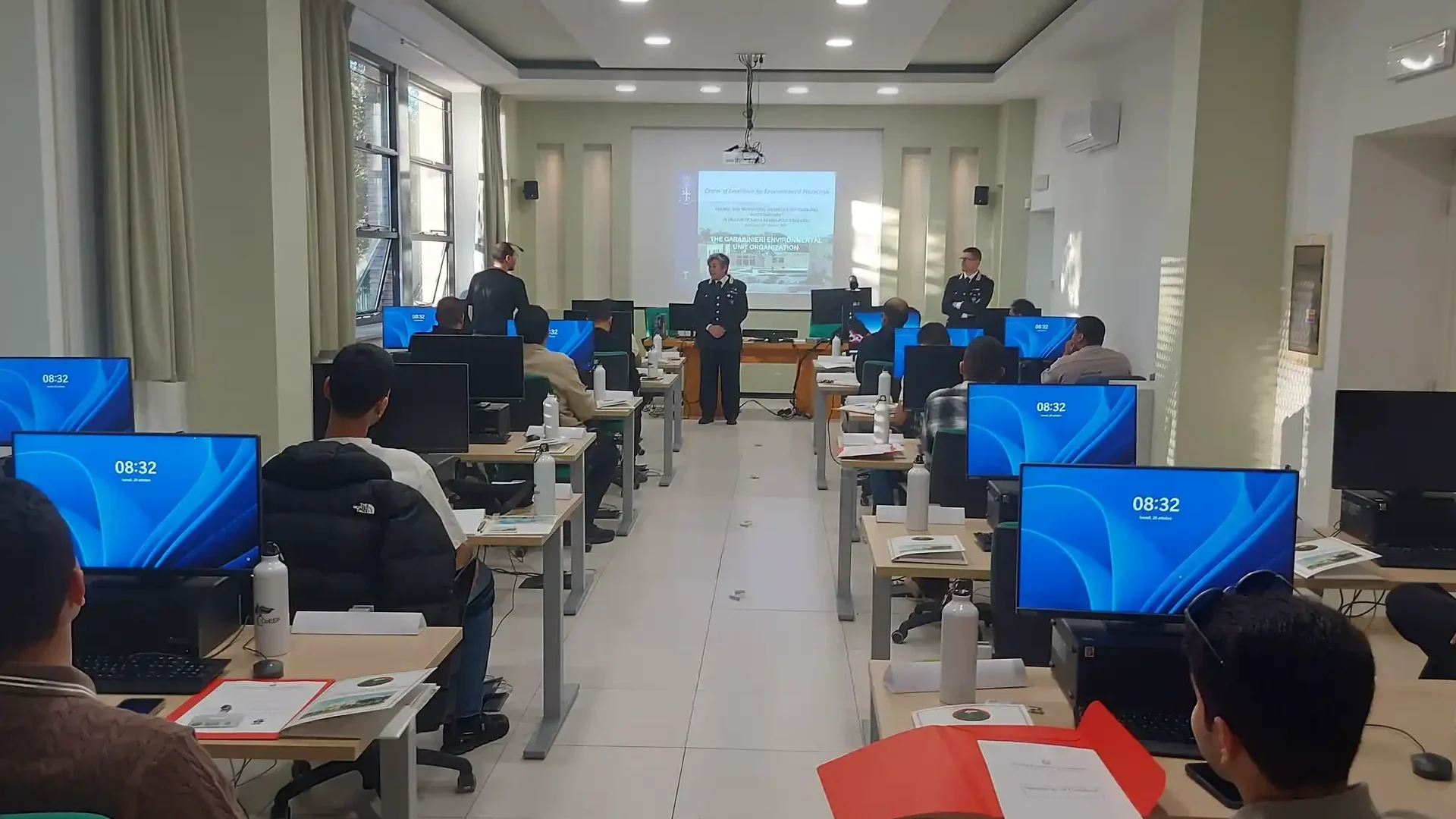
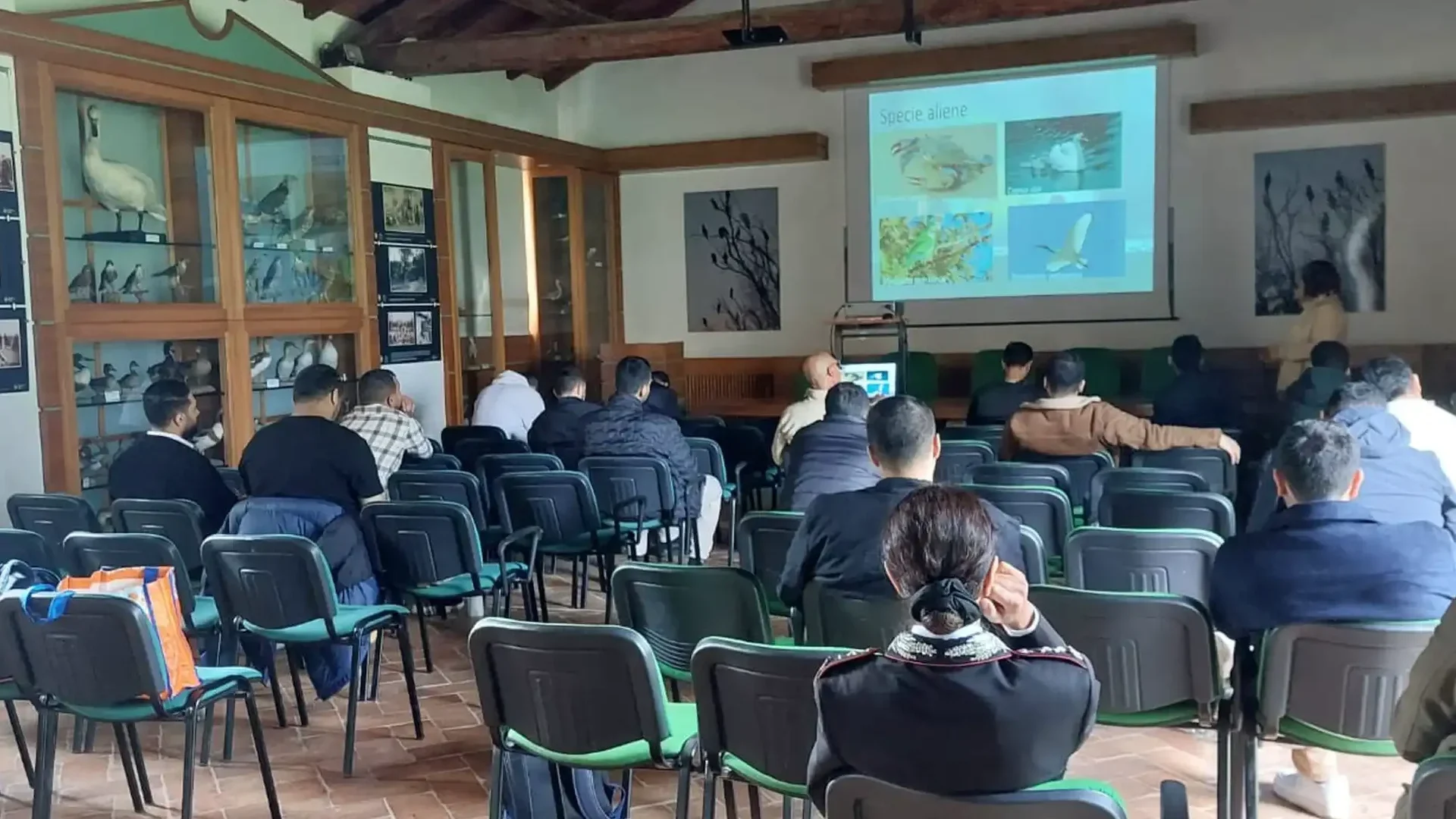
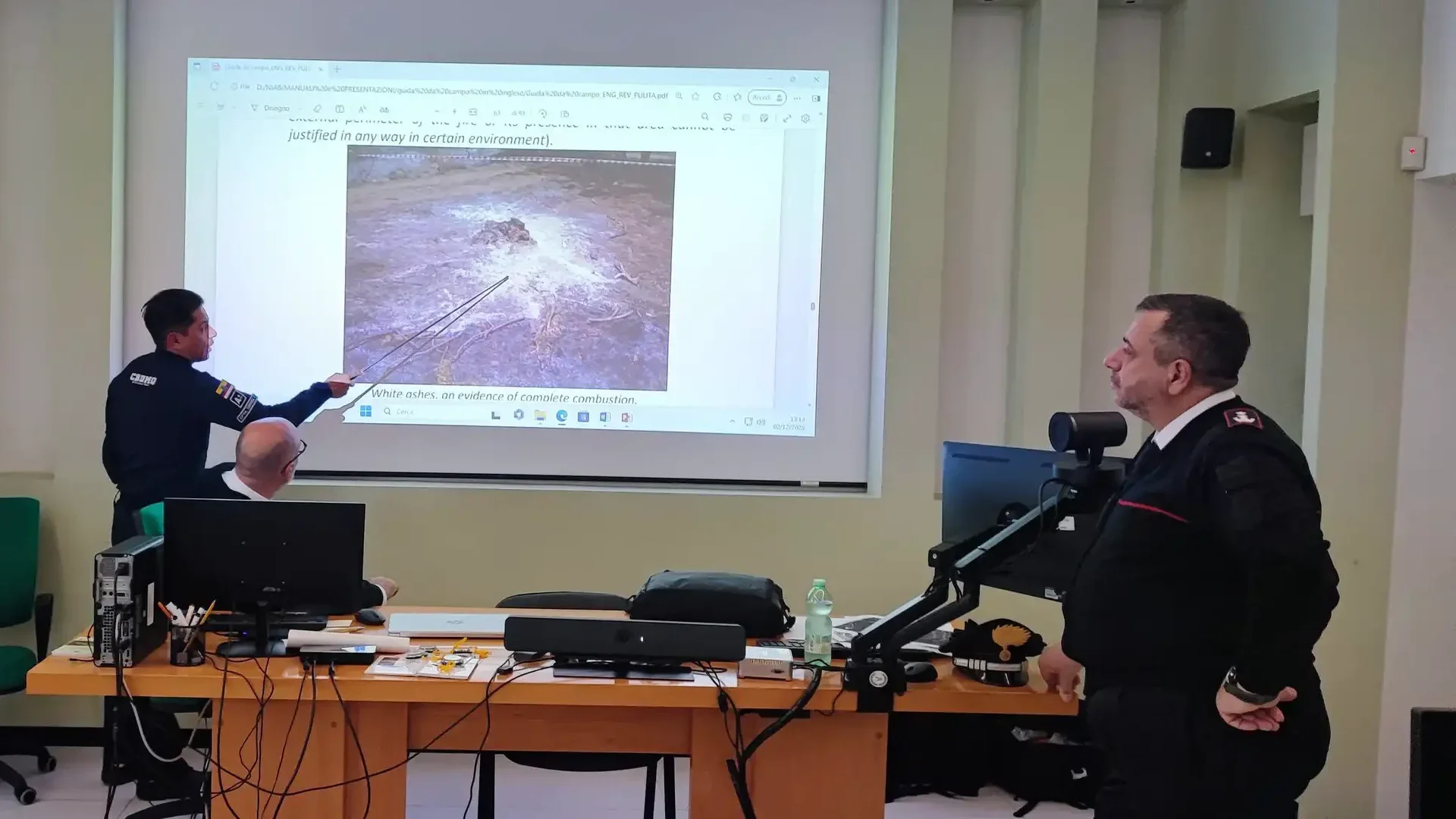
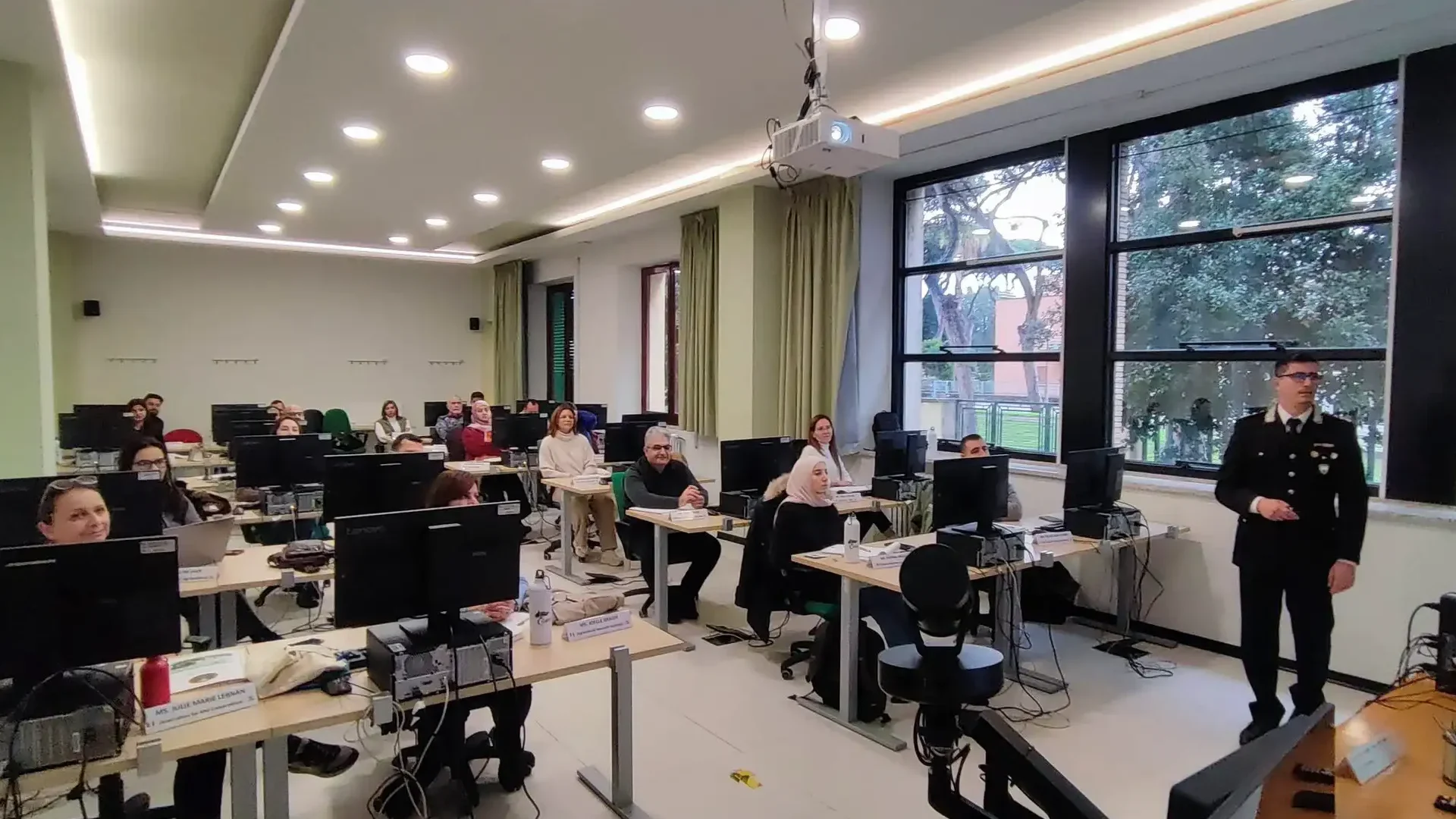
Teaching activities are delivered in both English and French by experts from the Carabinieri Forestry, Environmental and Food Organisation, officials from the ministries involved, as well as magistrates and professionals from academia and the private sector.
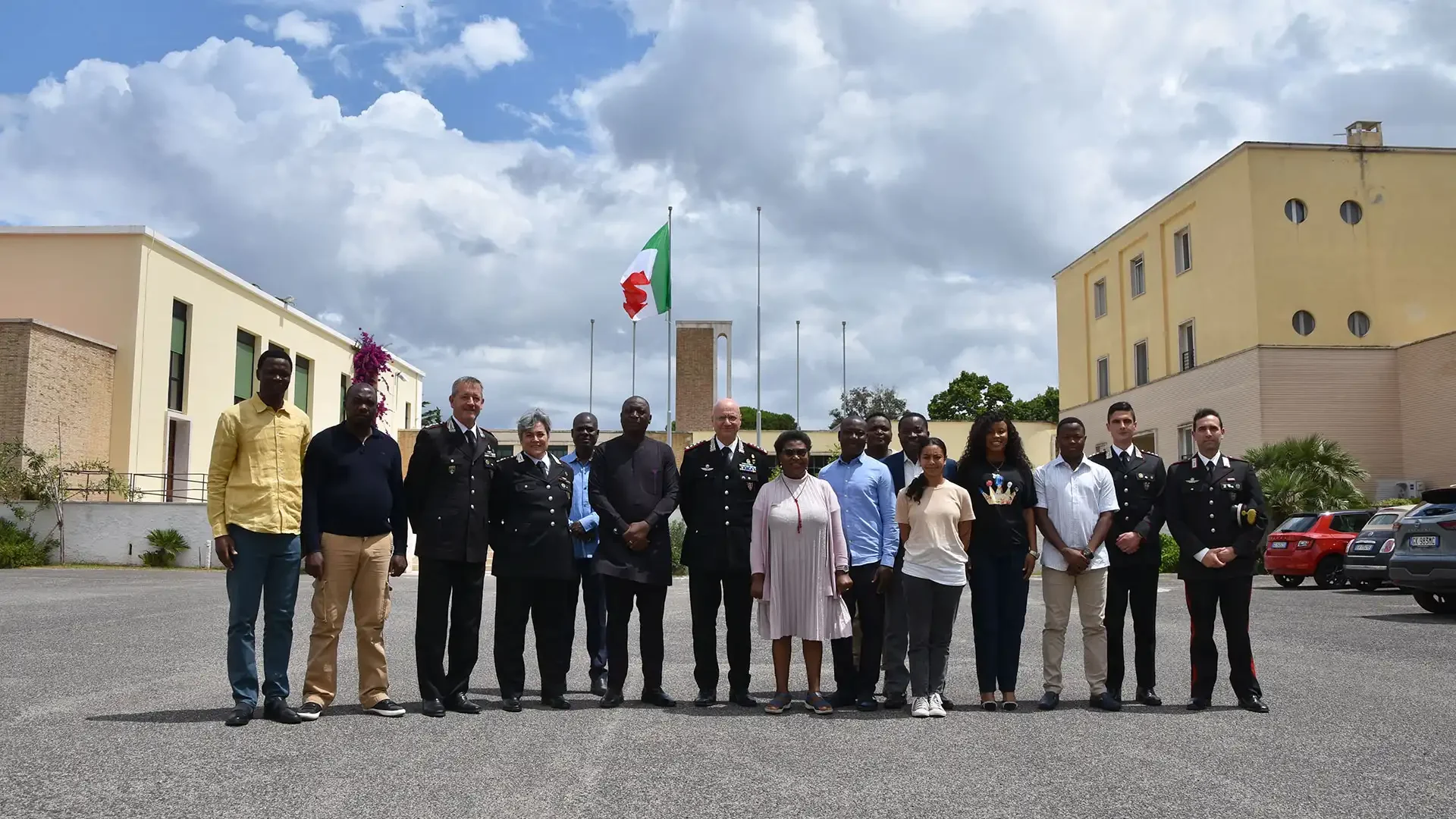
Thanks to its versatility, this training can be offered to international organisations, governmental and non-governmental agencies, academia and the private sector, including “train the trainer” programmes. These activities are suitable both for decision-makers and for operational training aimed at technical staff working in the field.
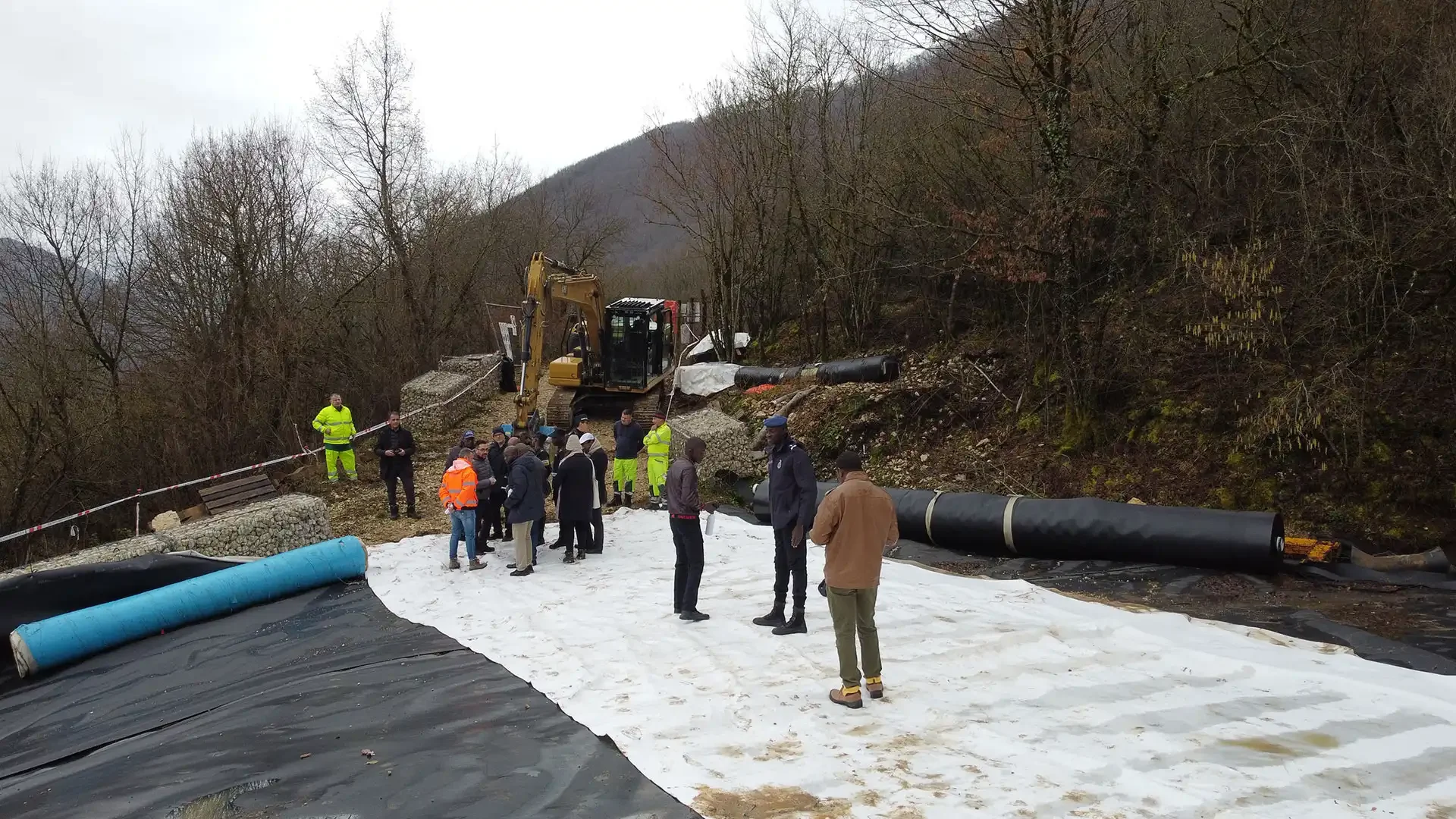
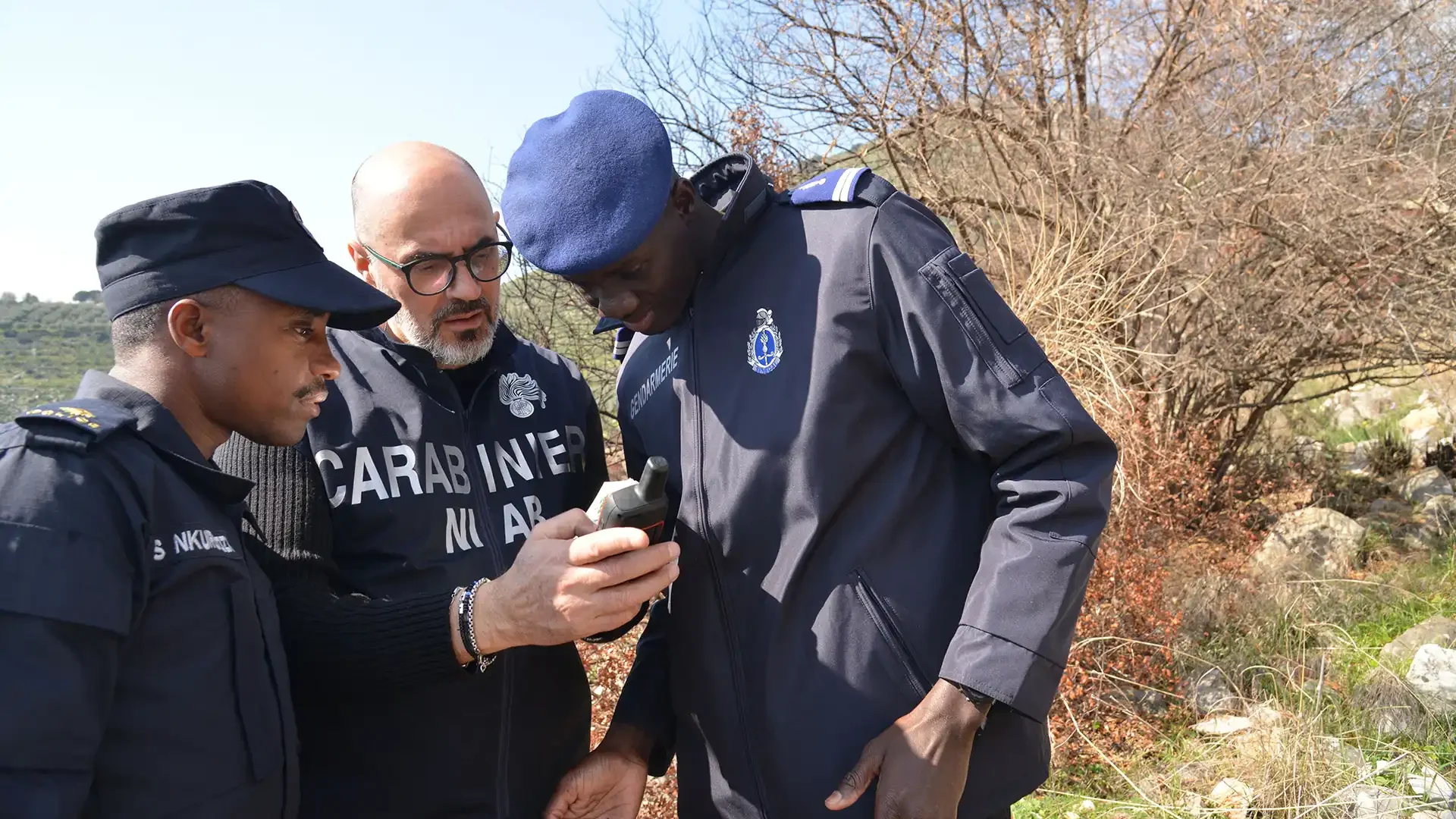
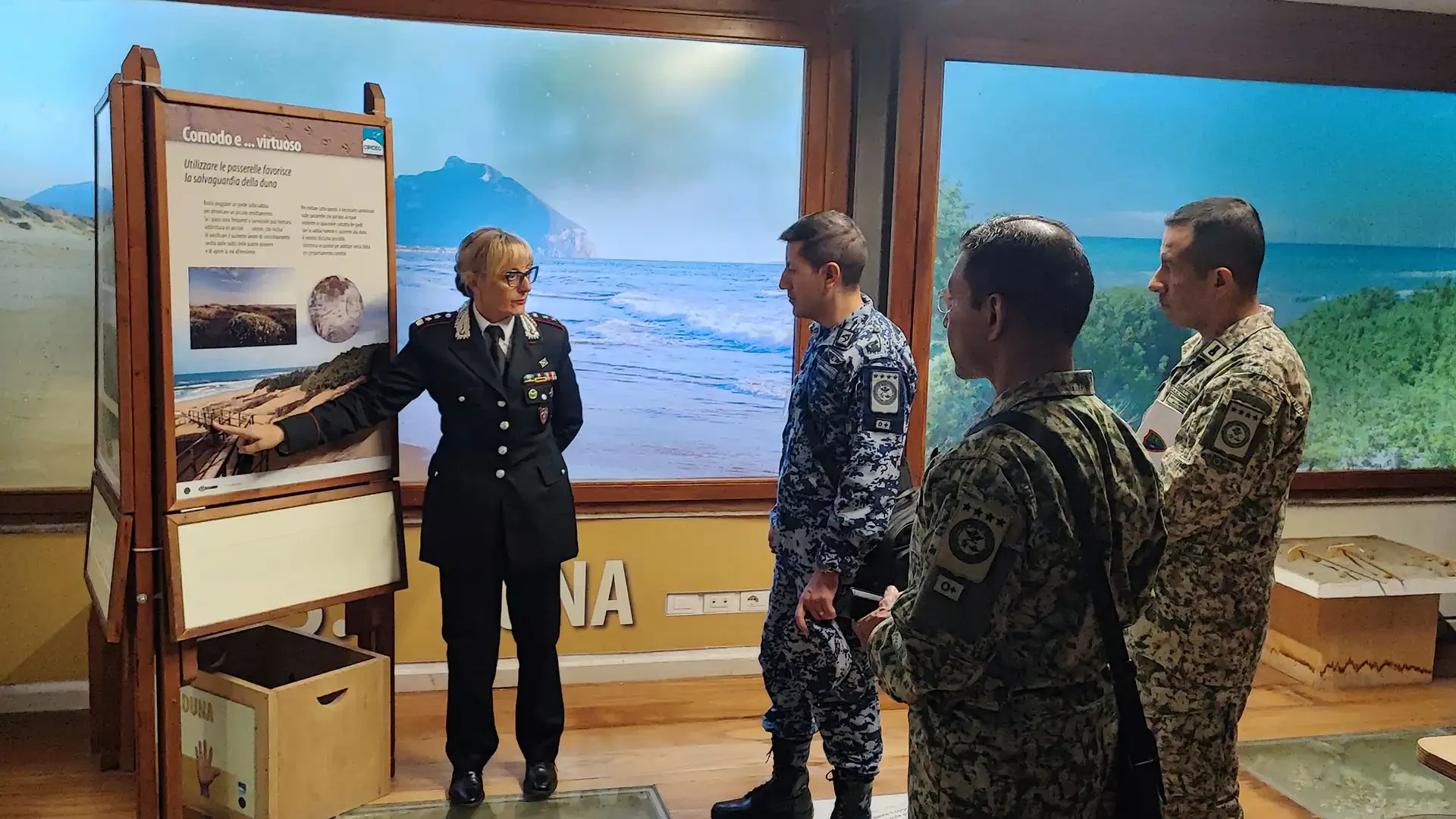
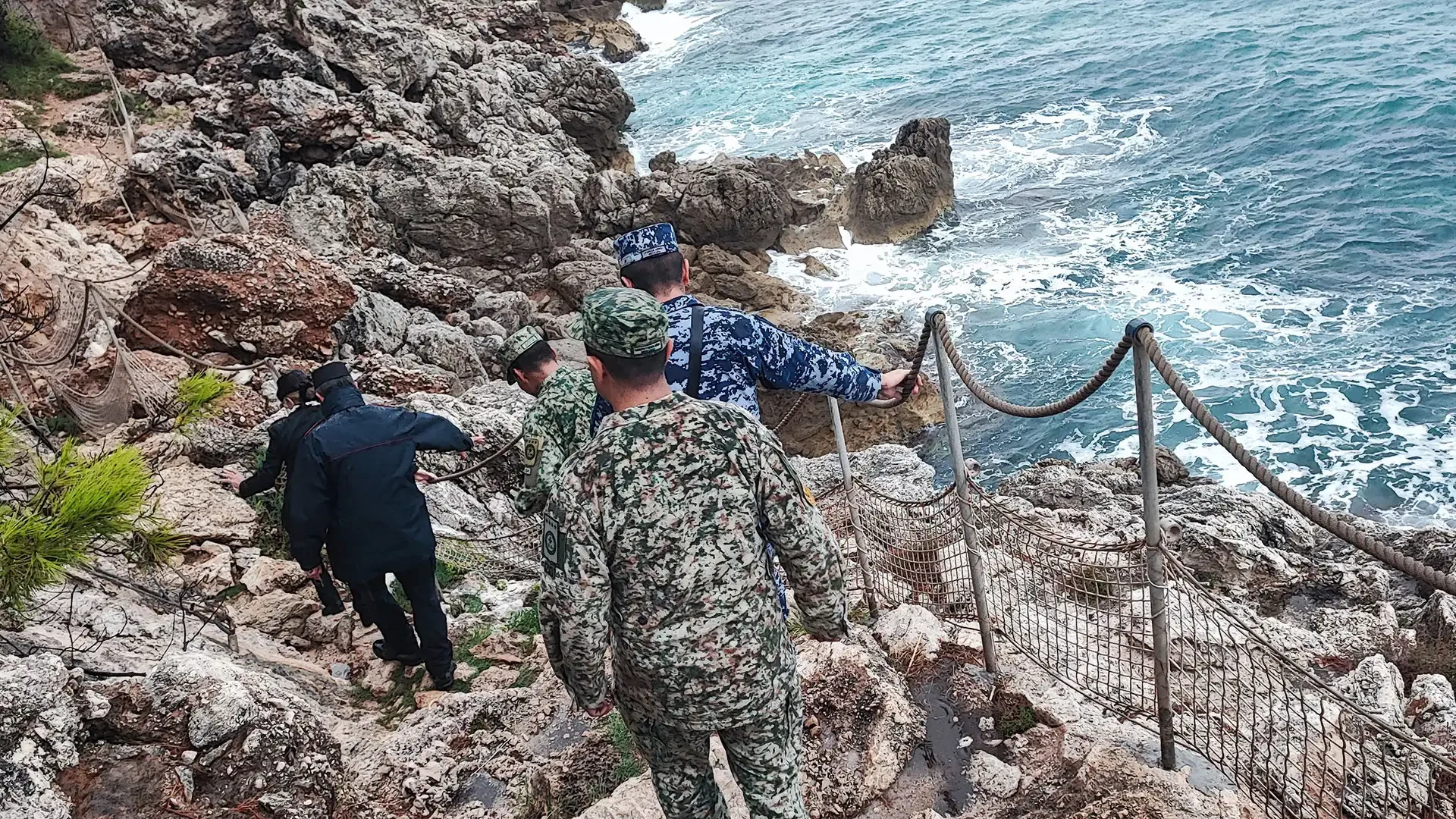
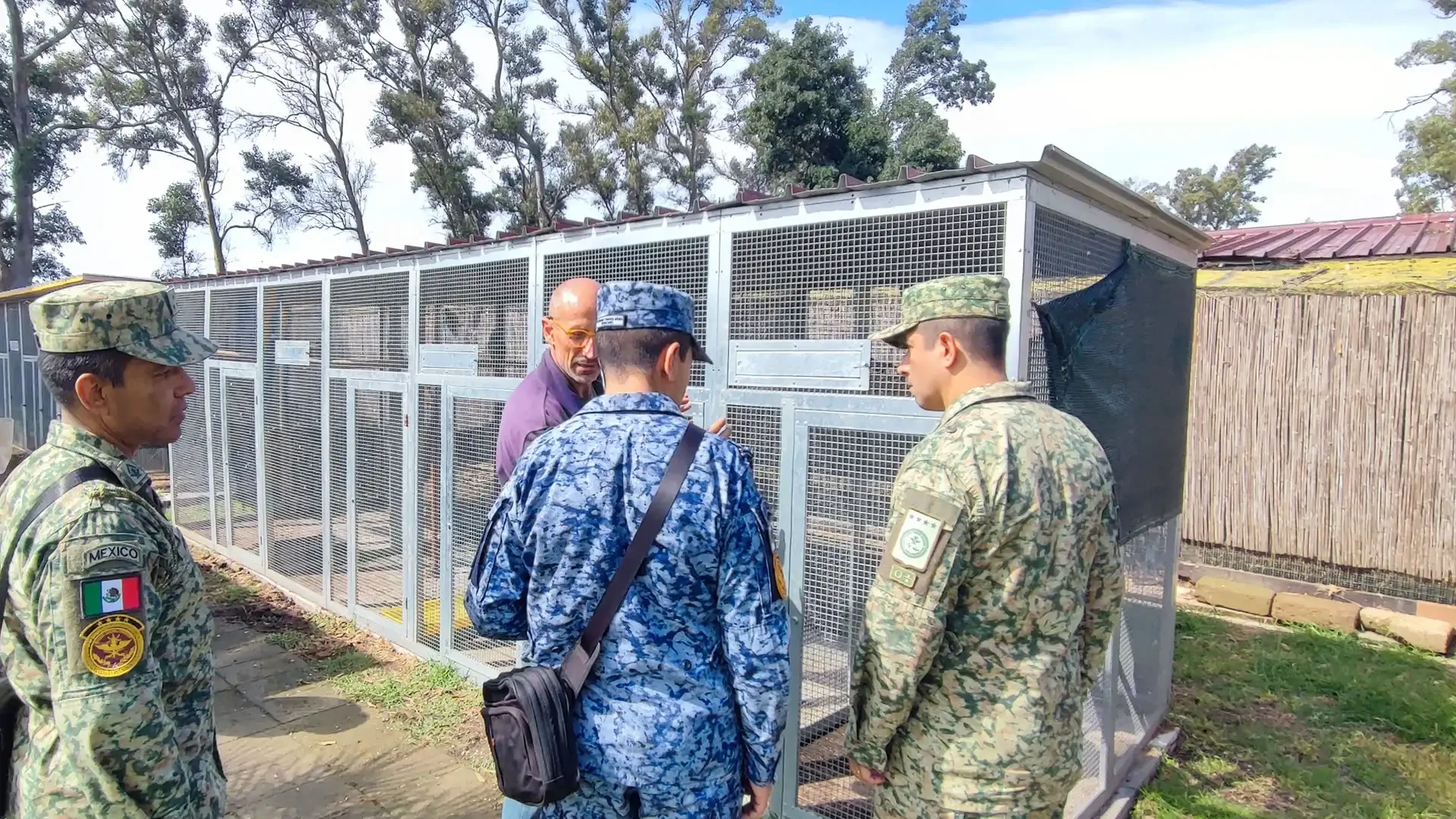
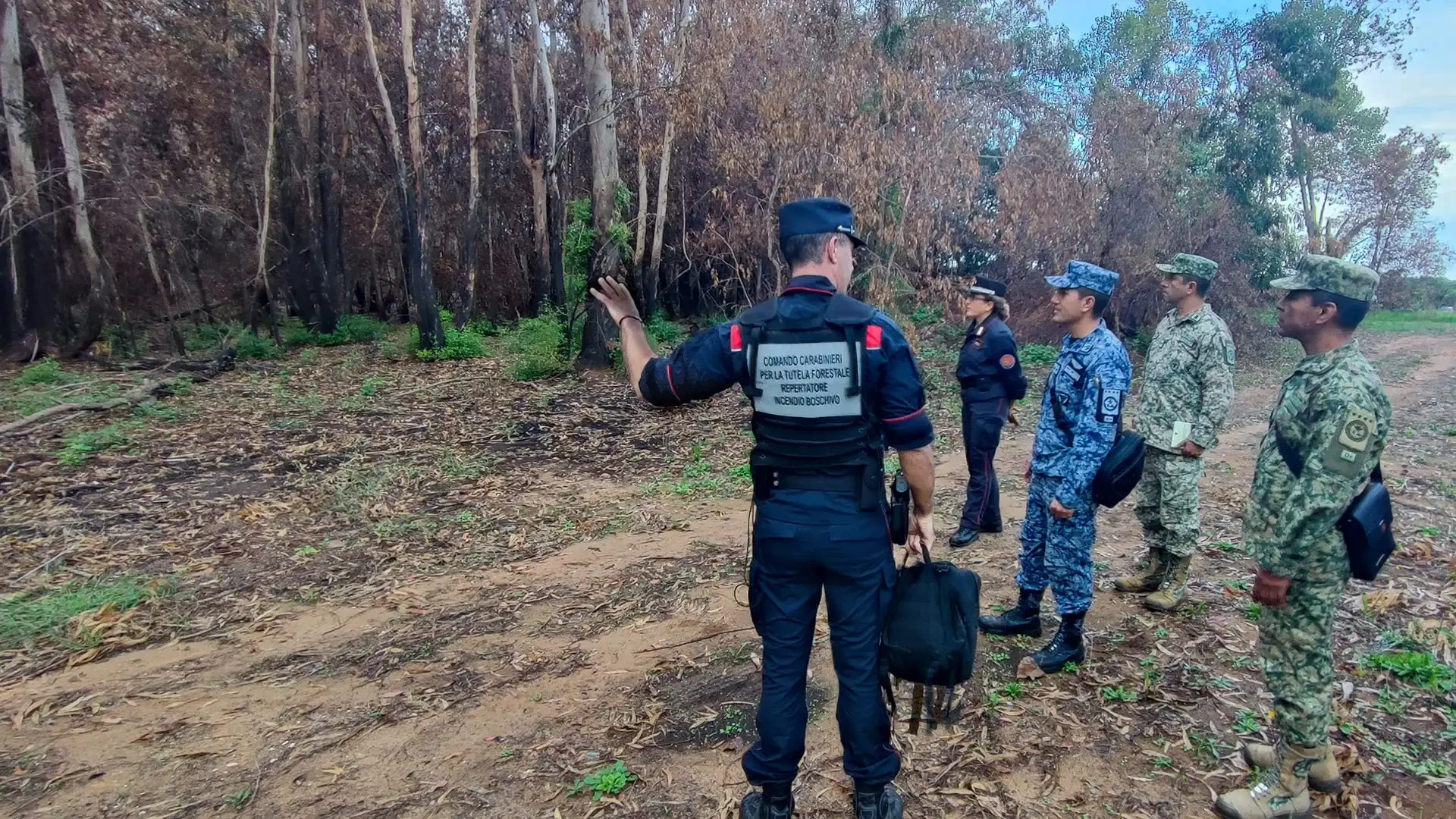
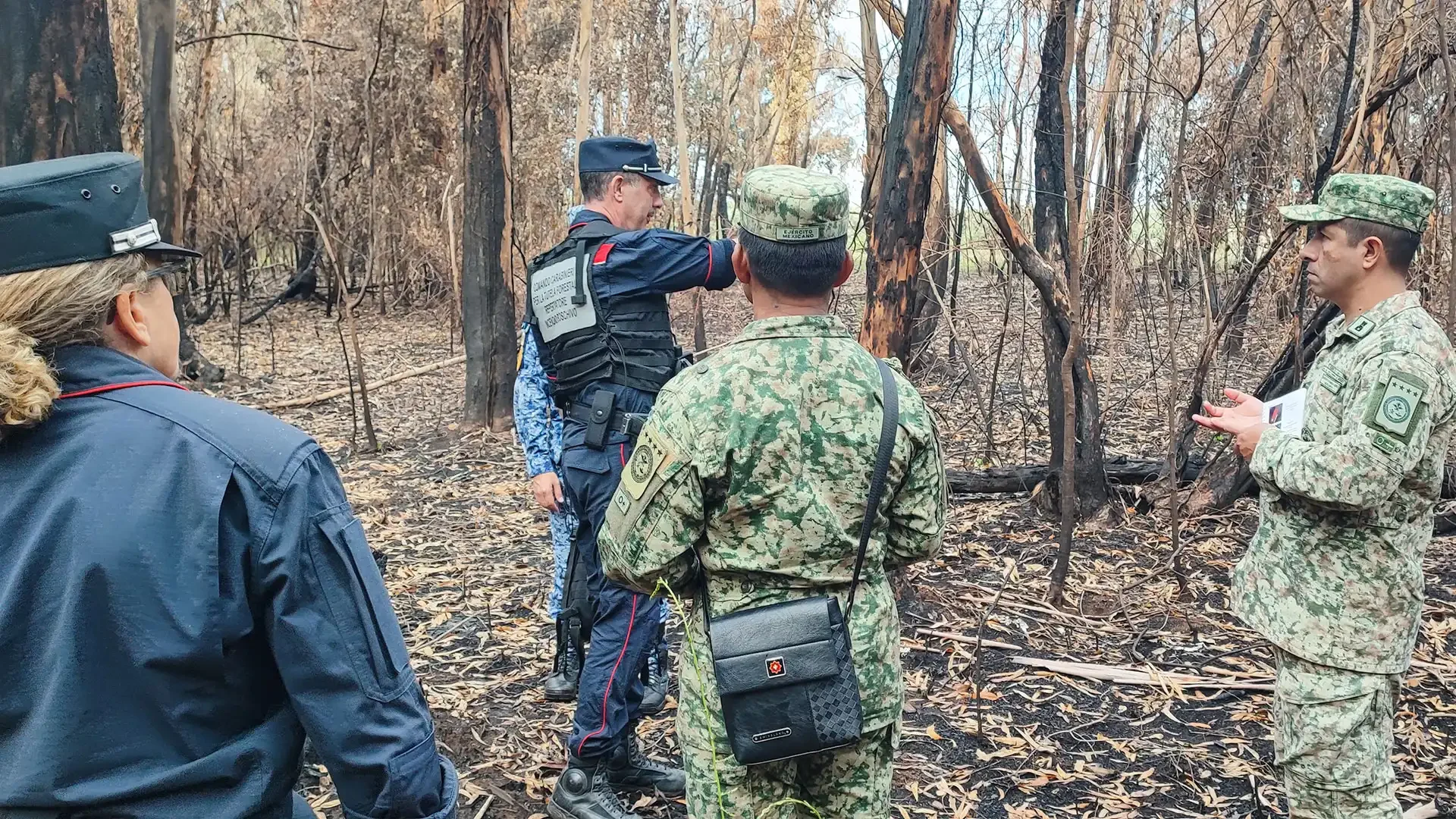
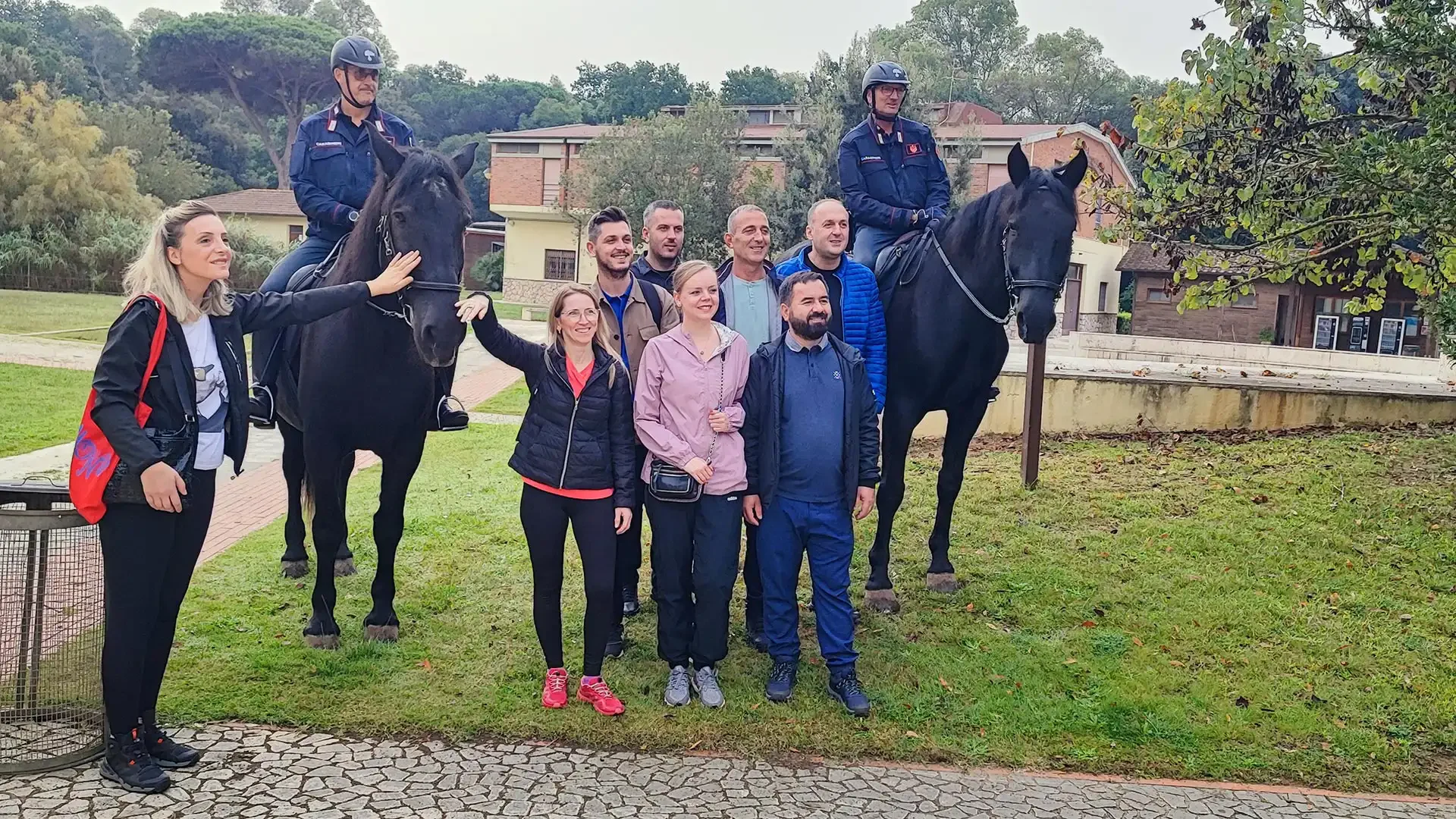
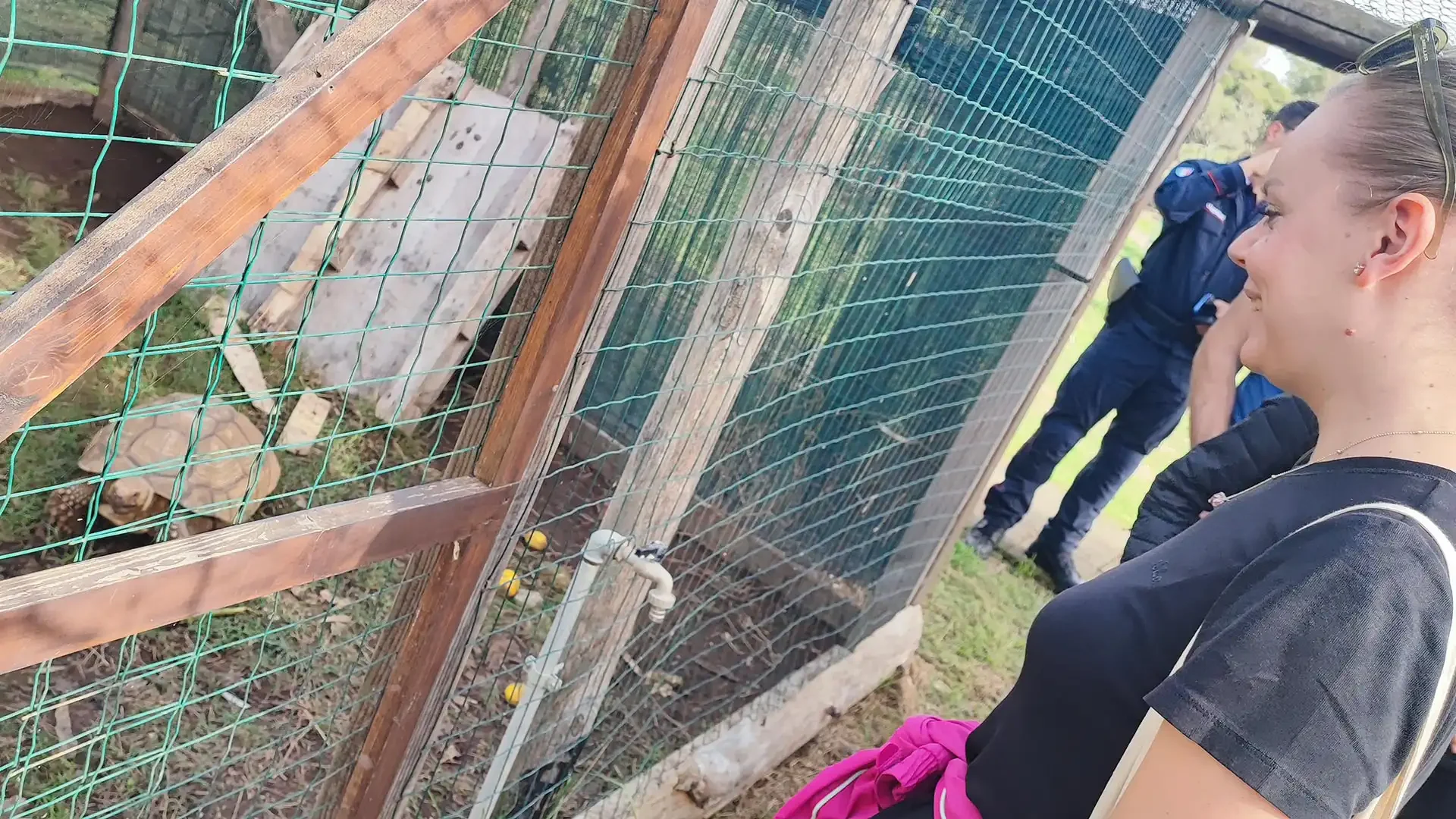
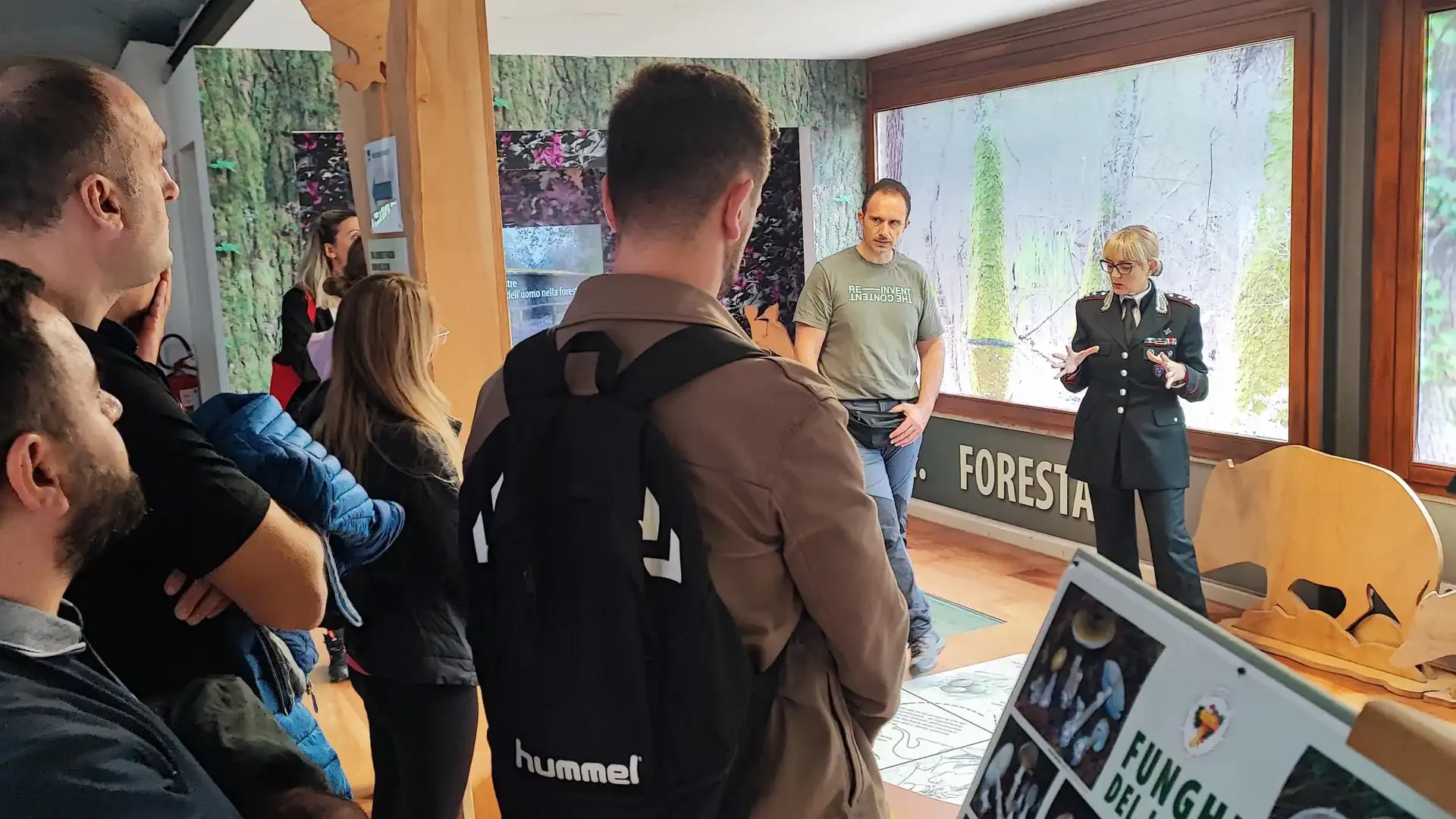
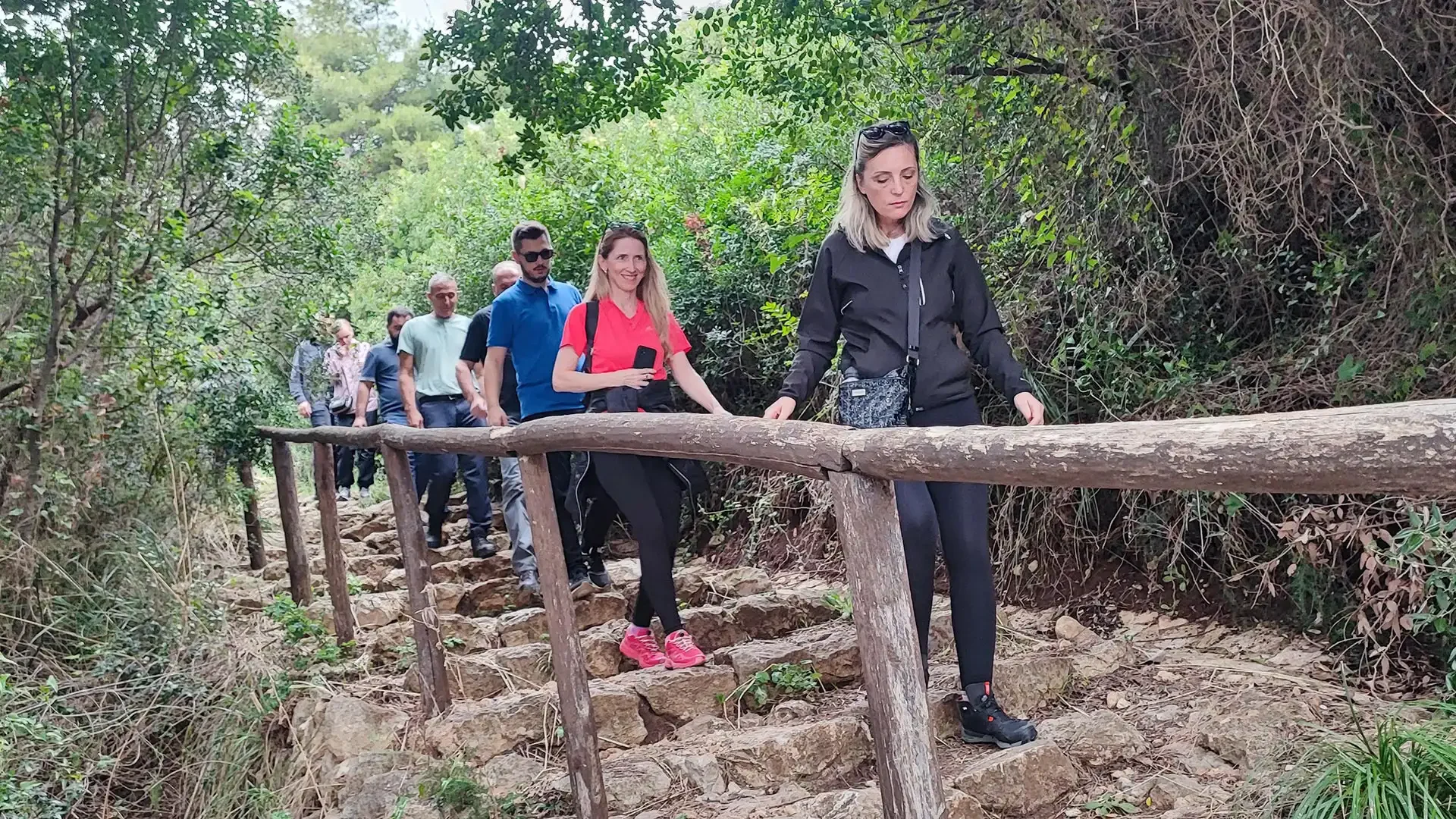
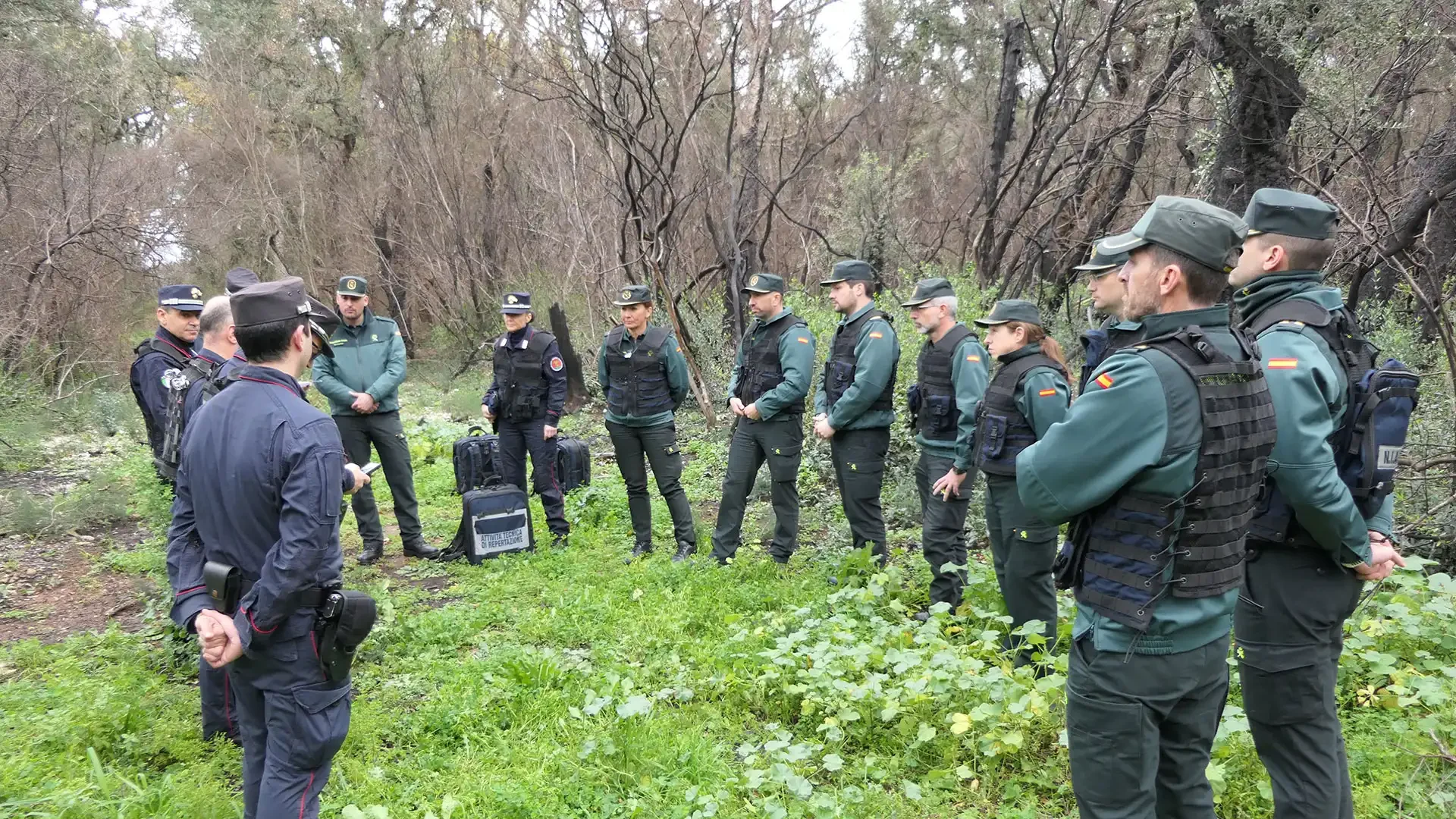
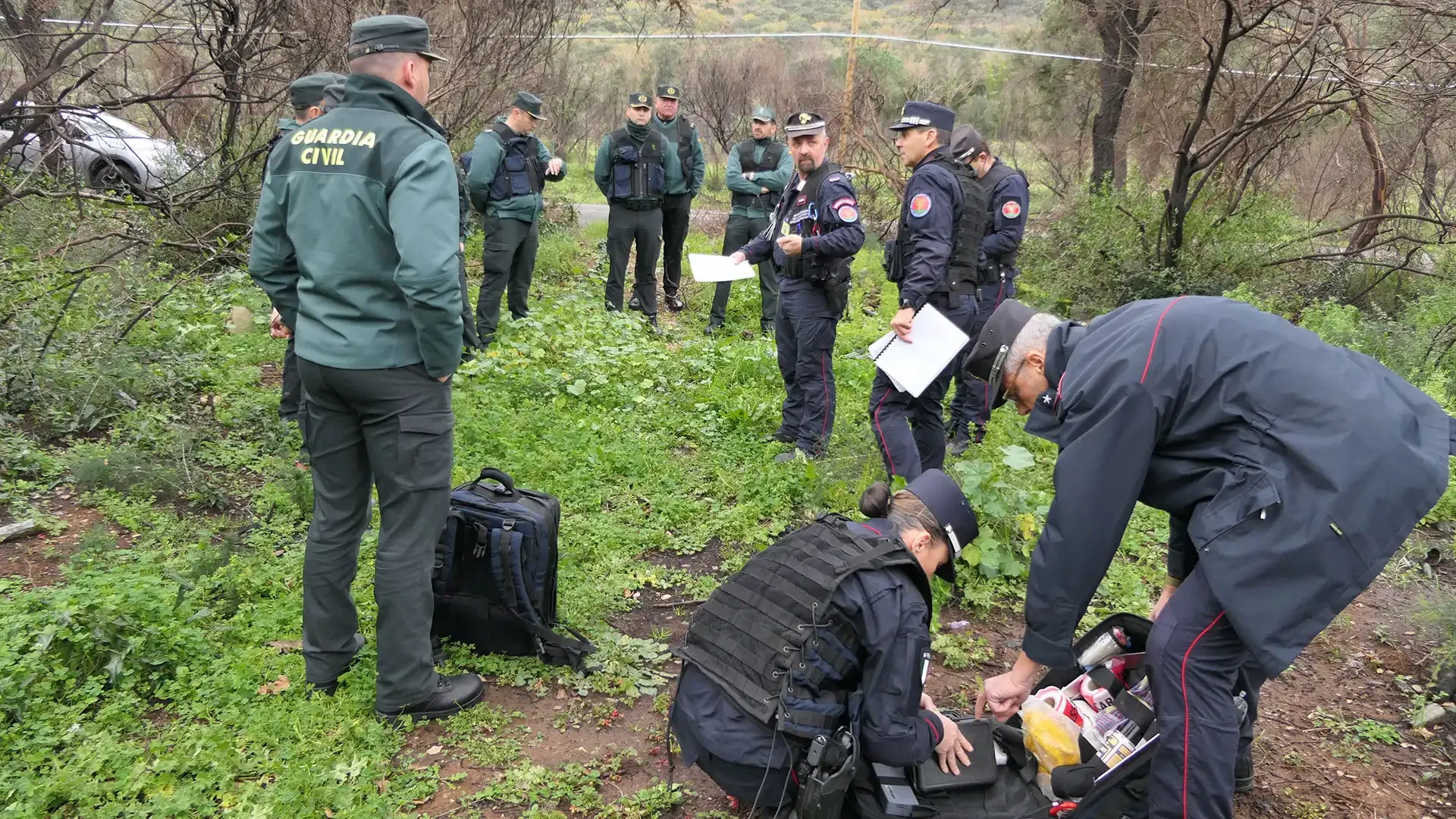
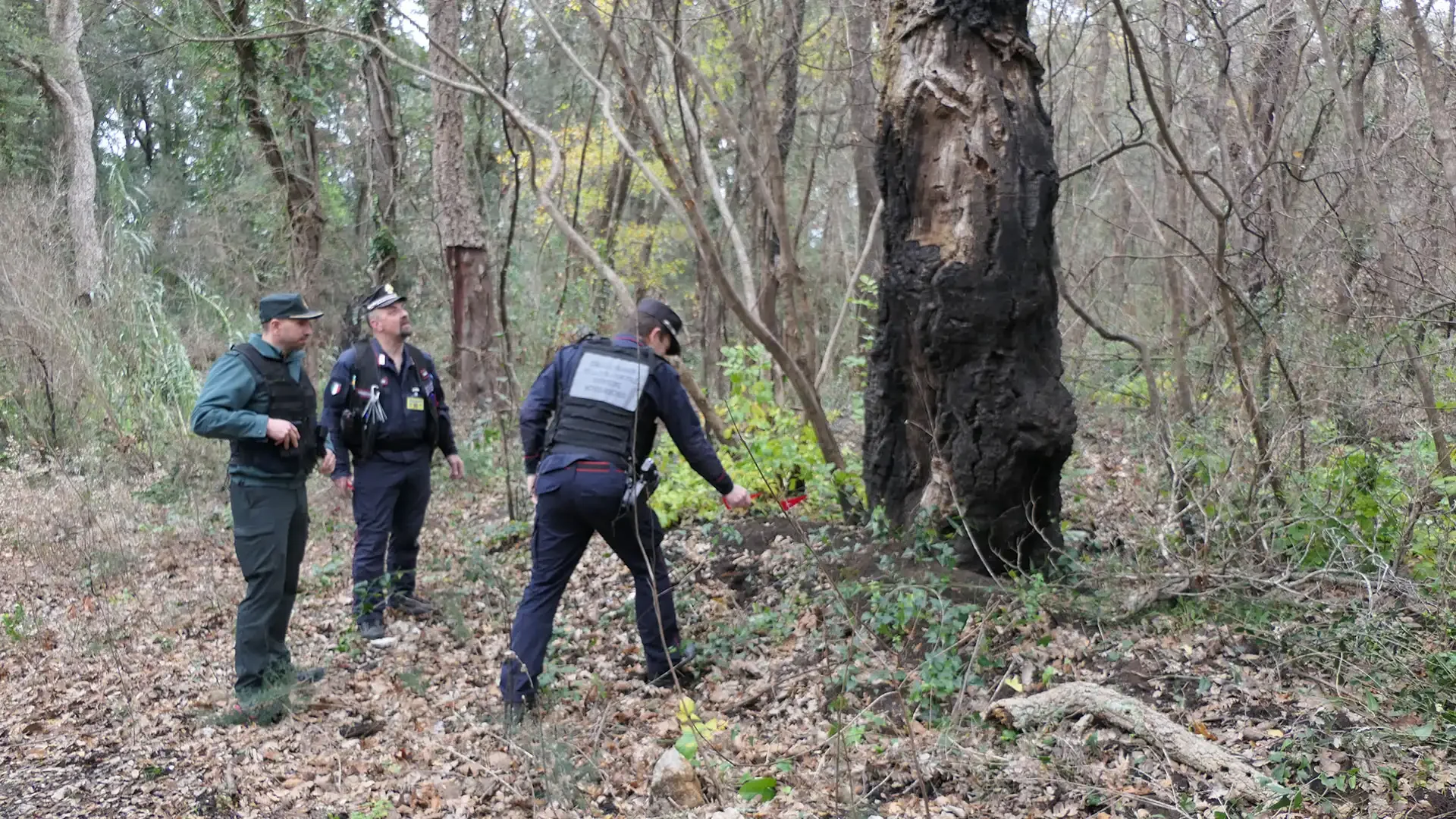
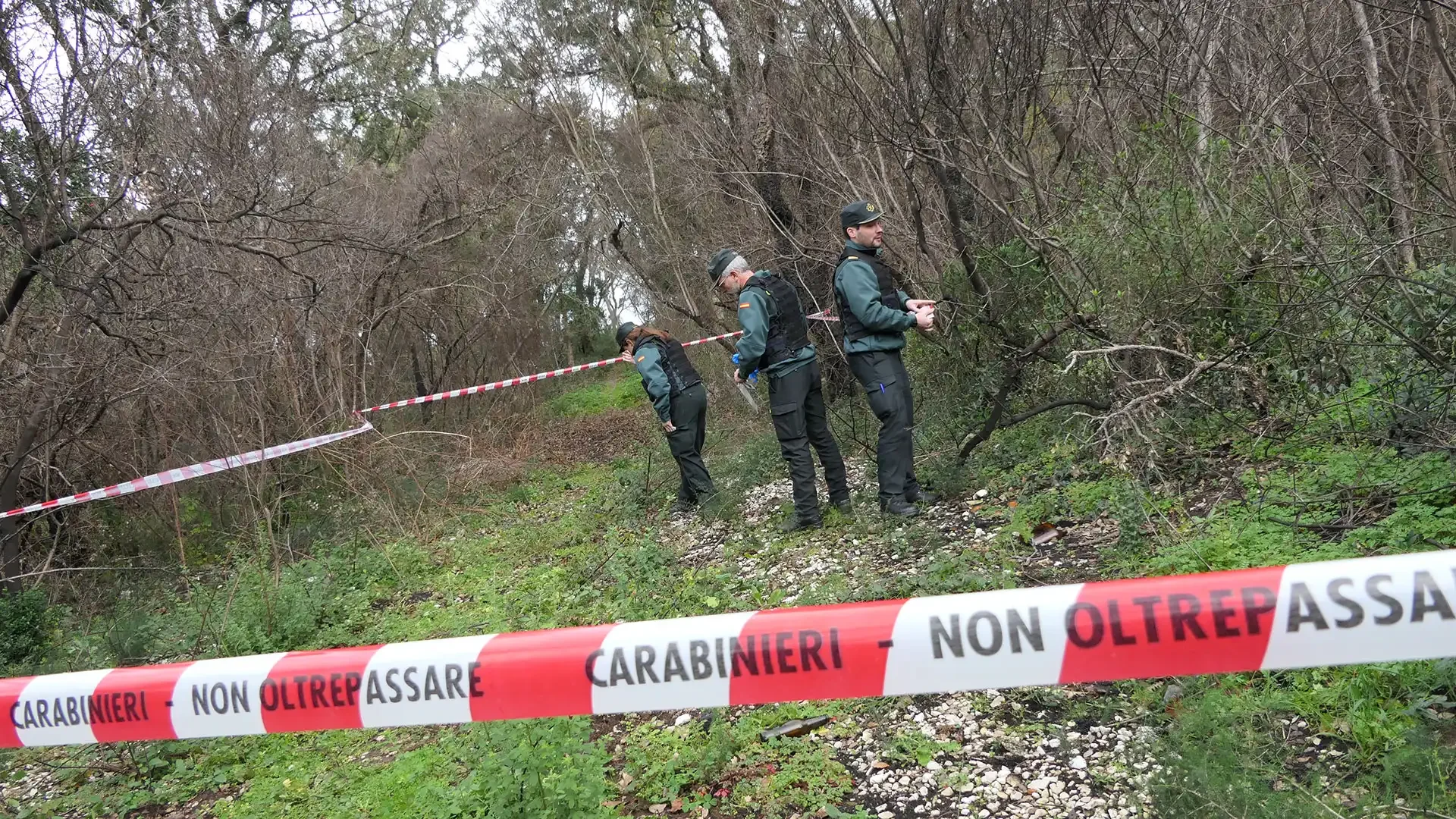
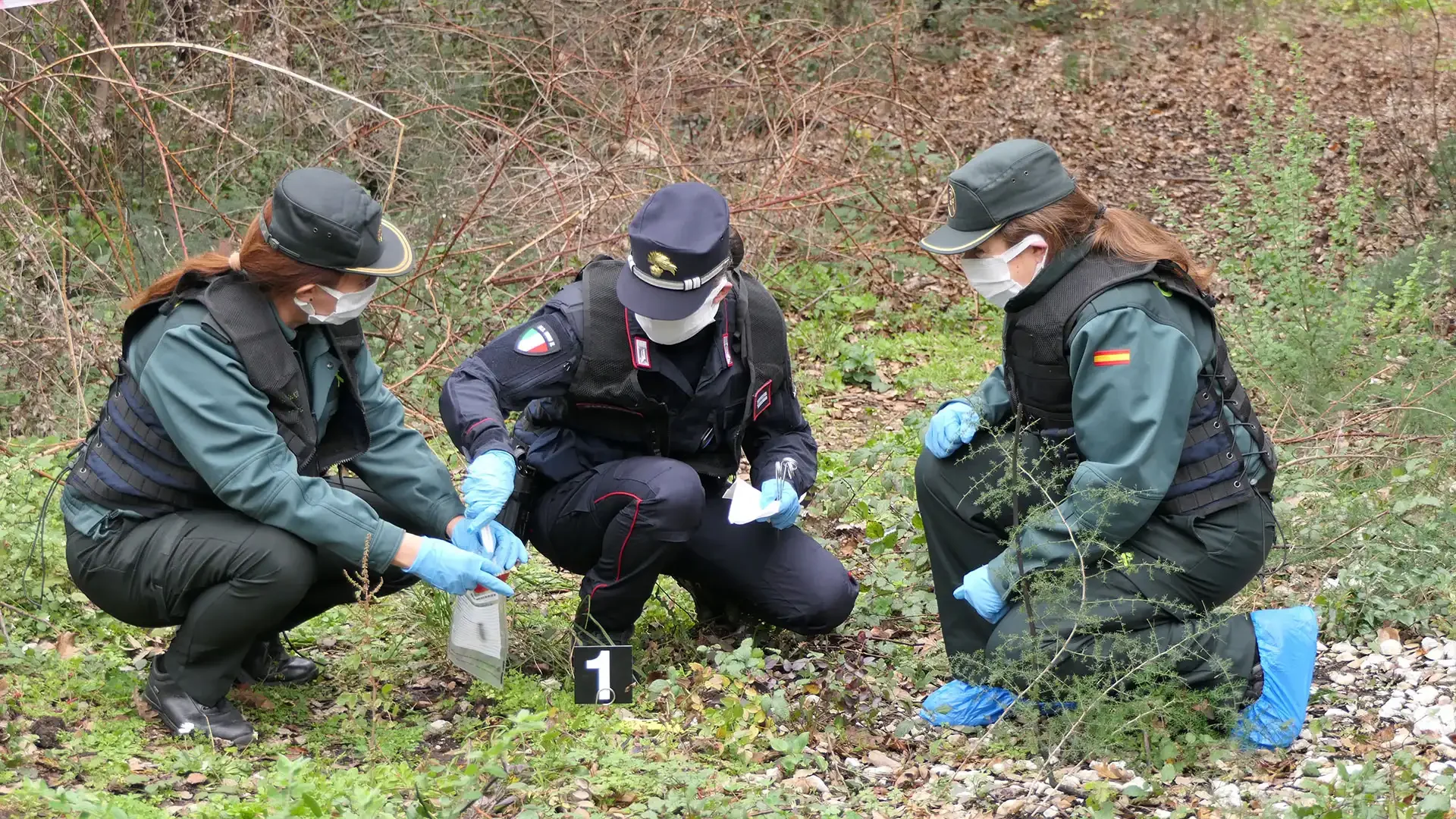
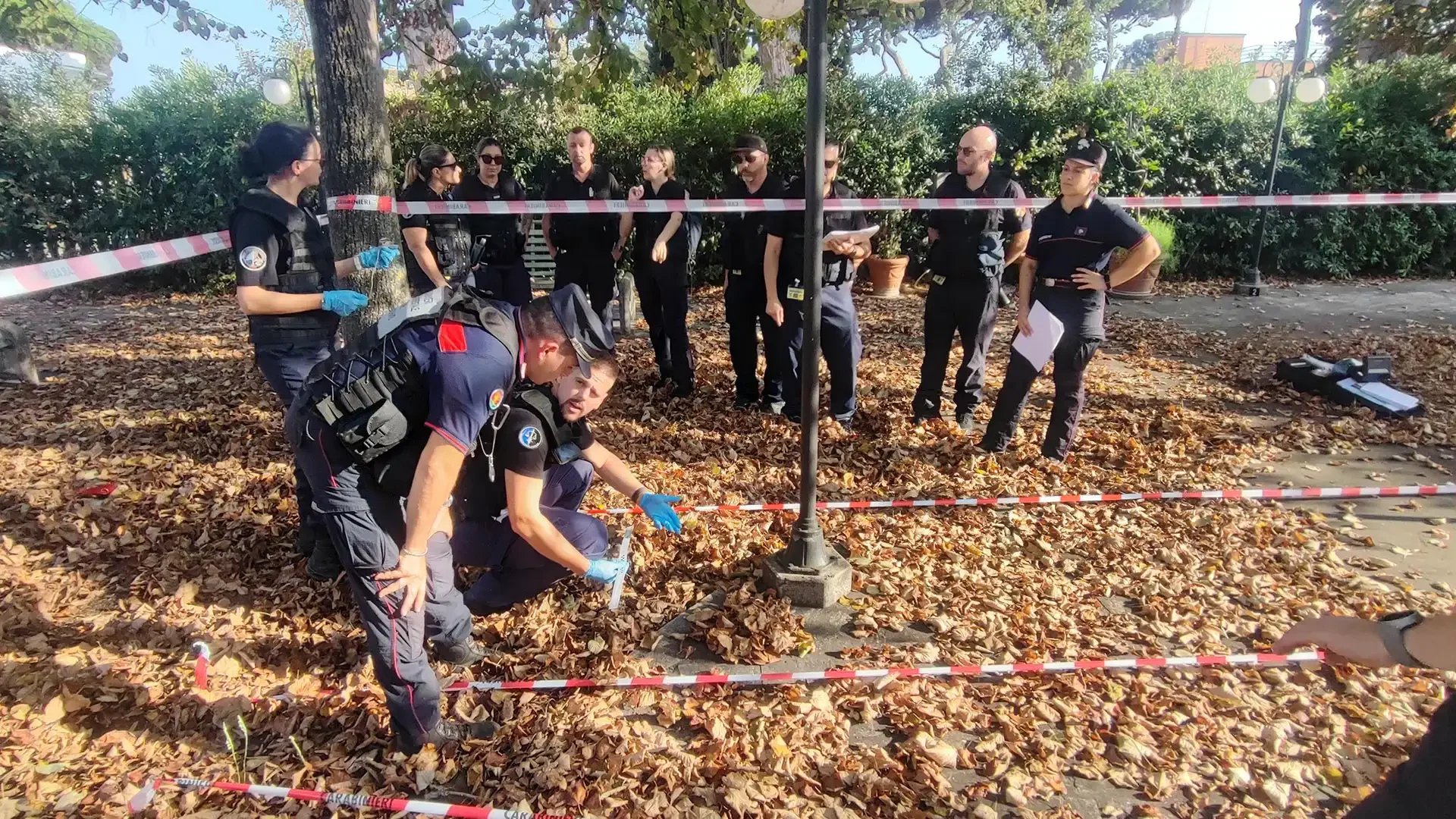
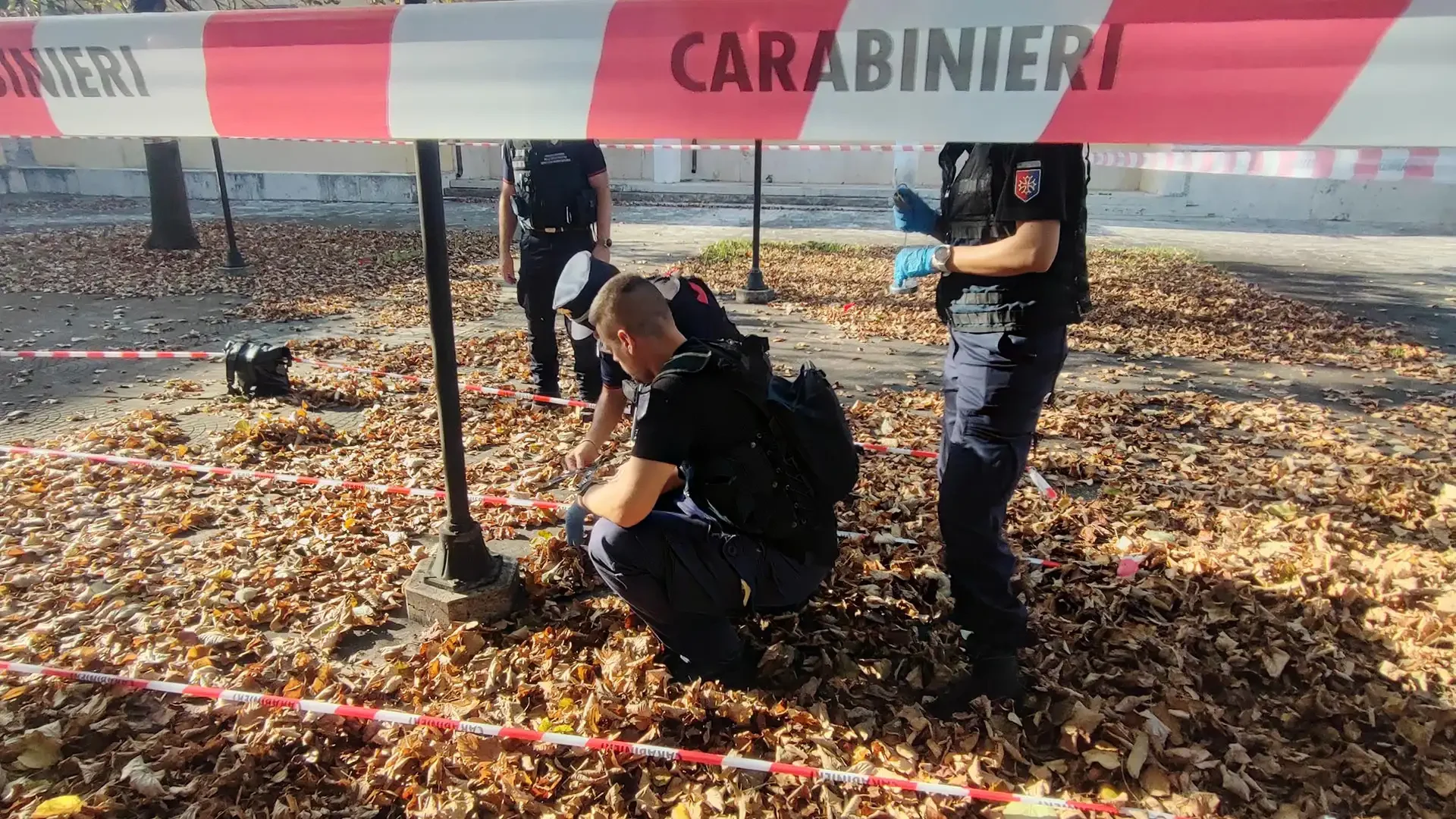
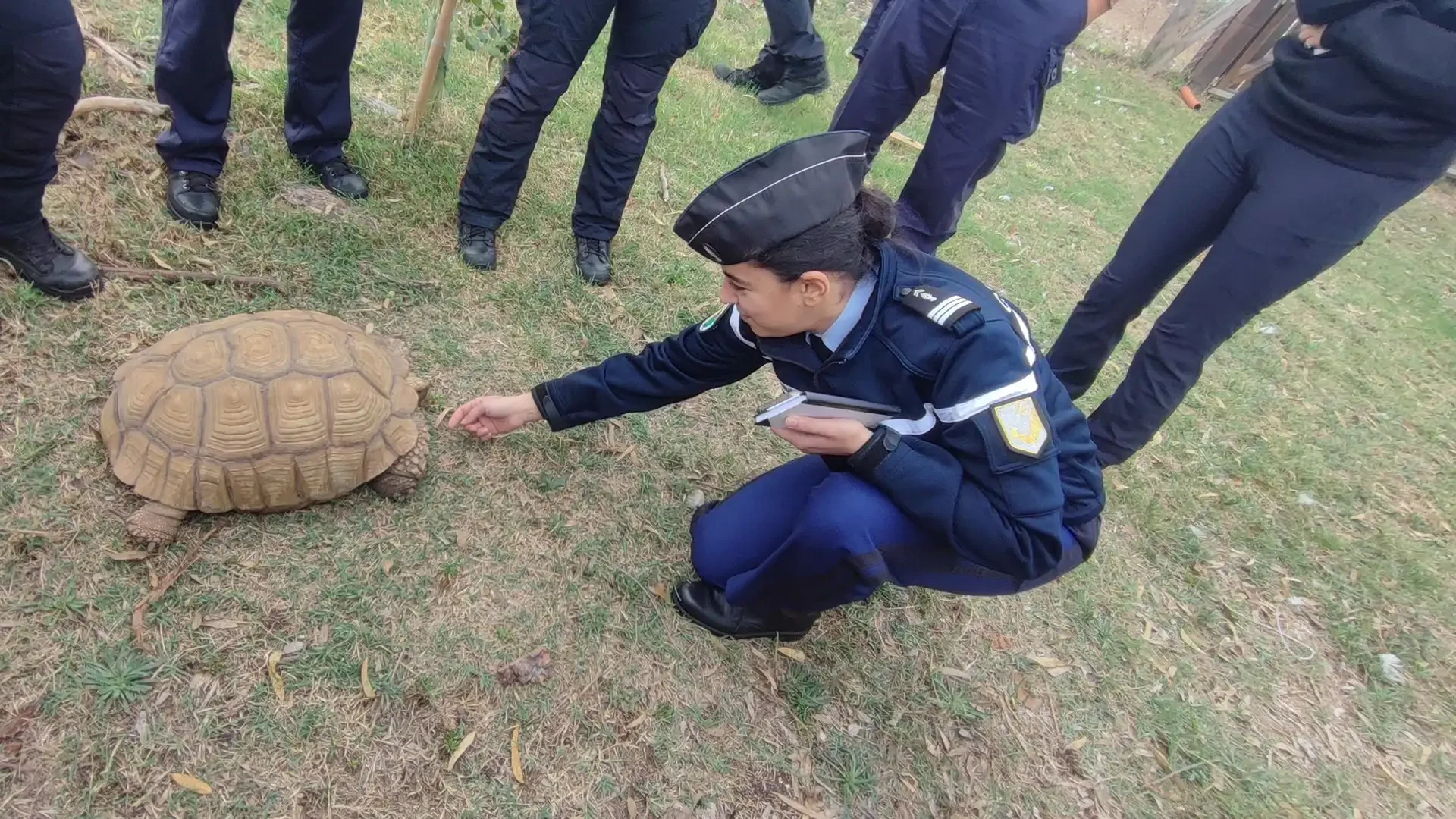
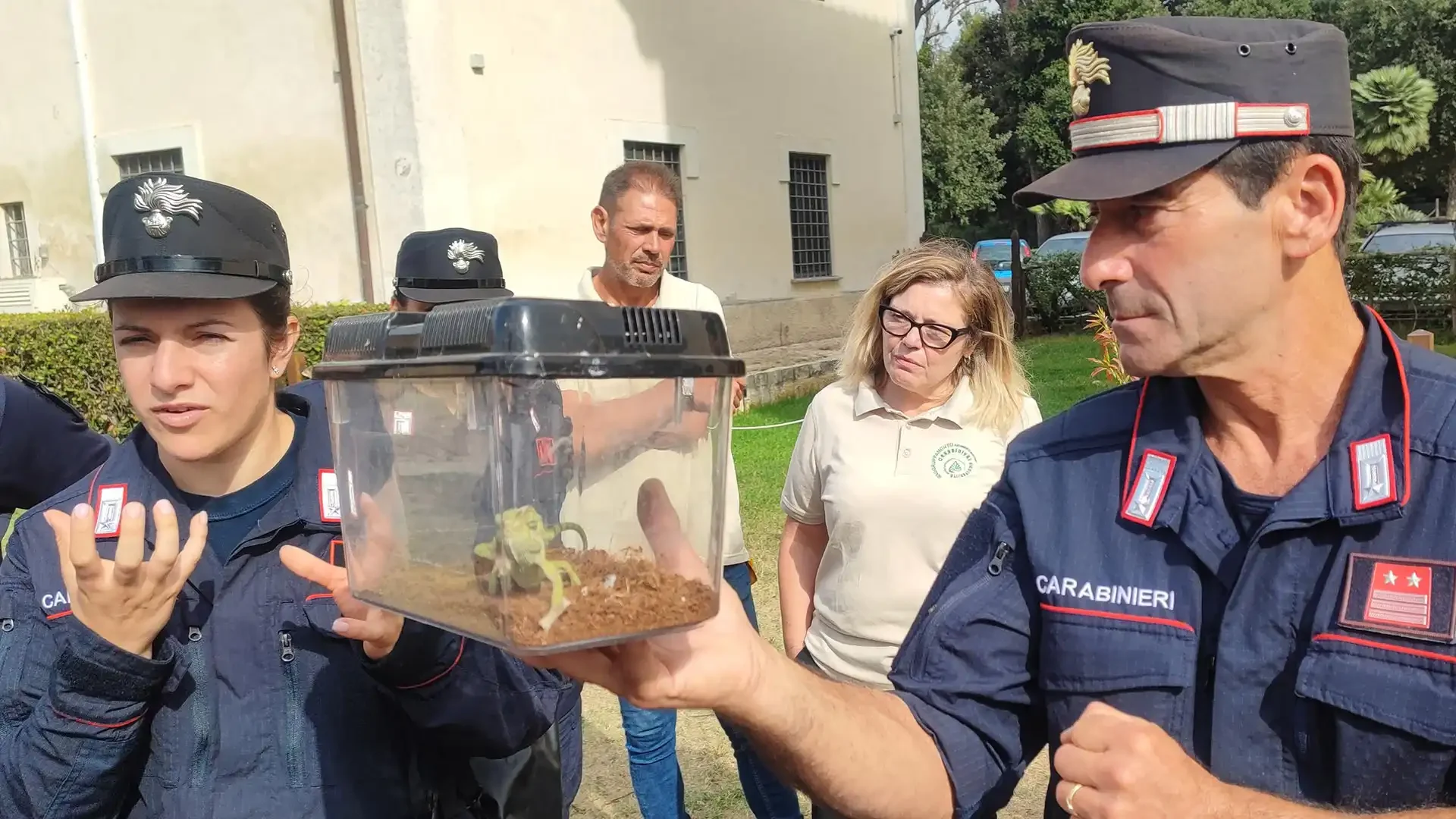
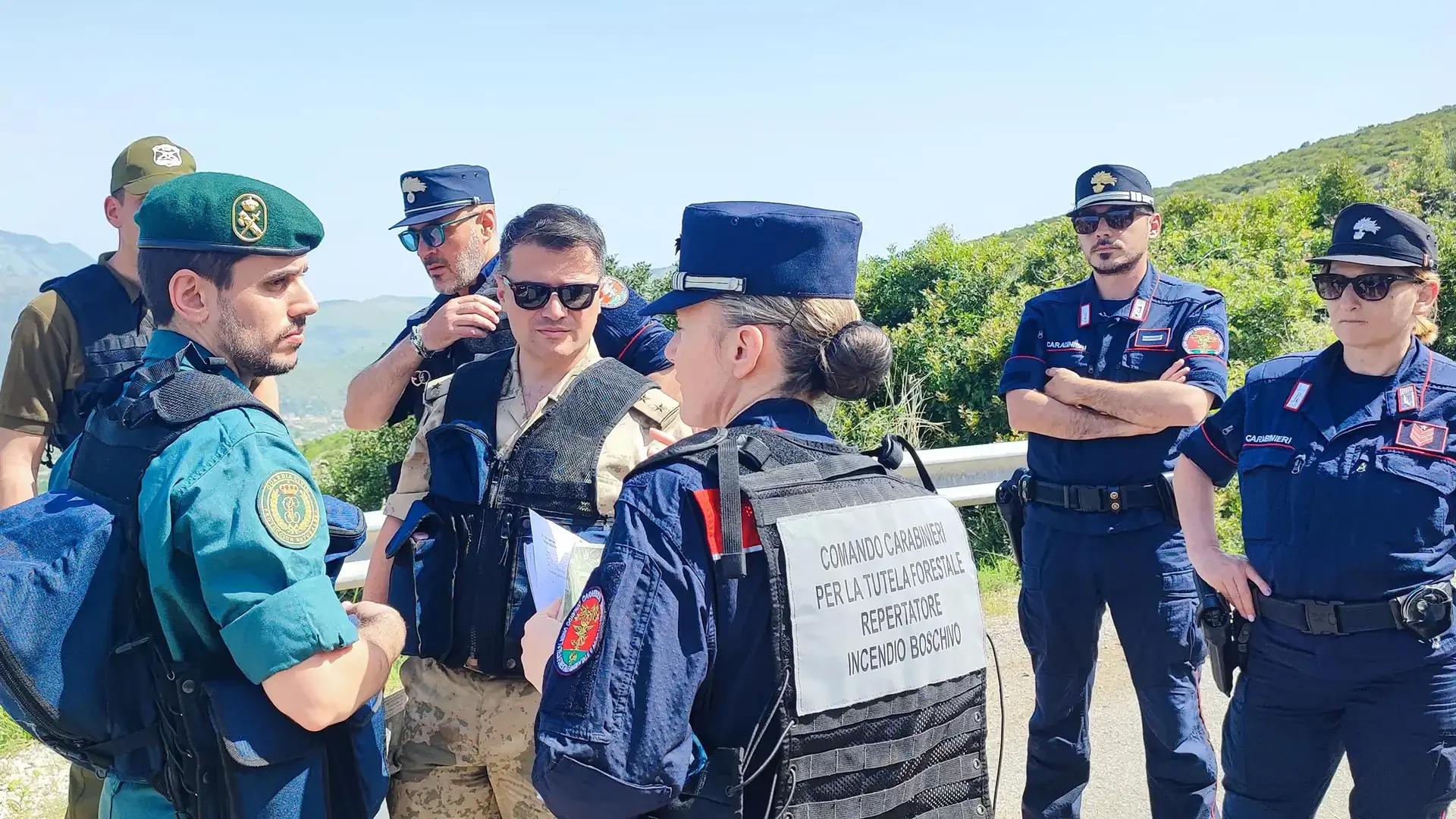
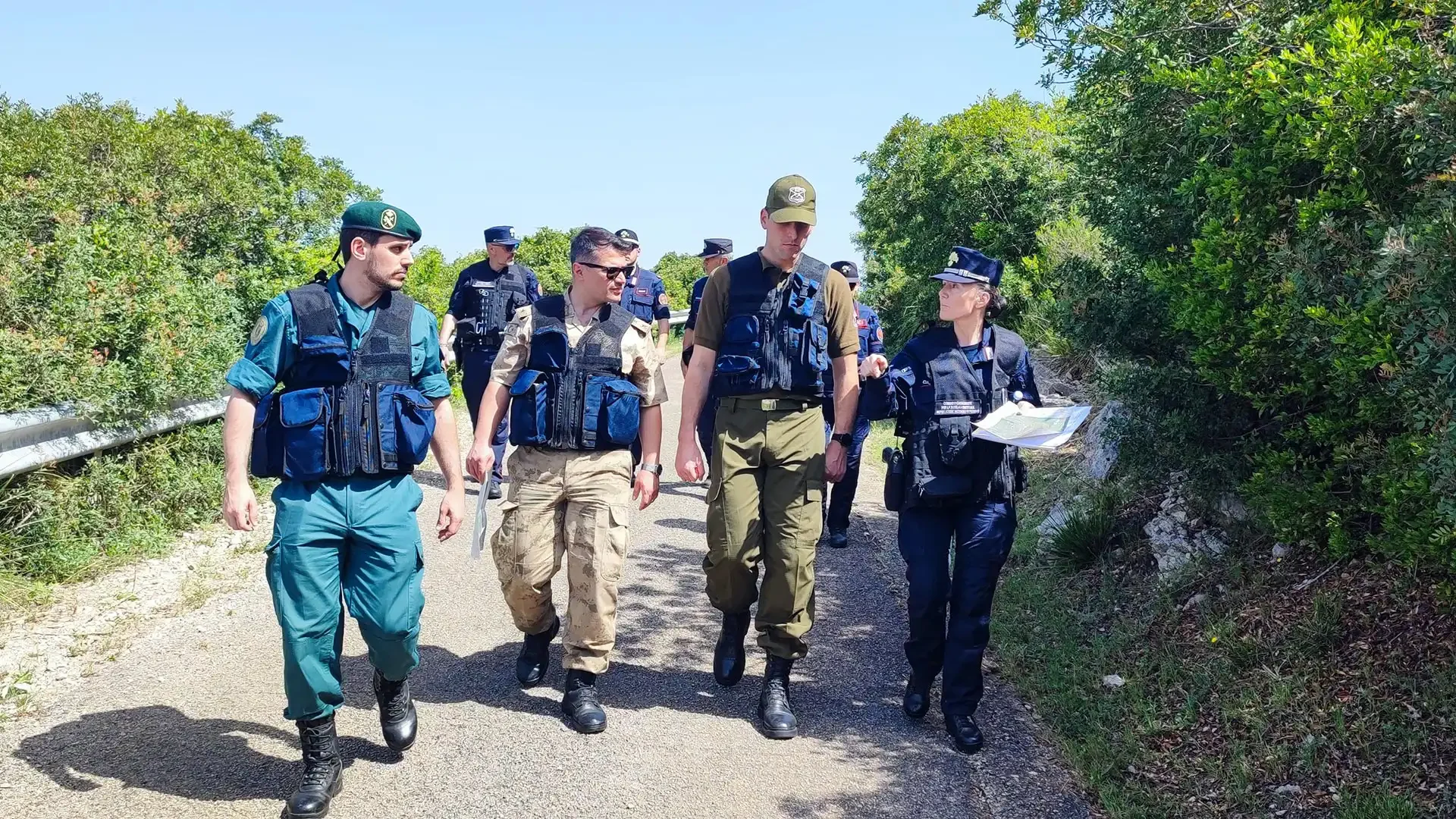
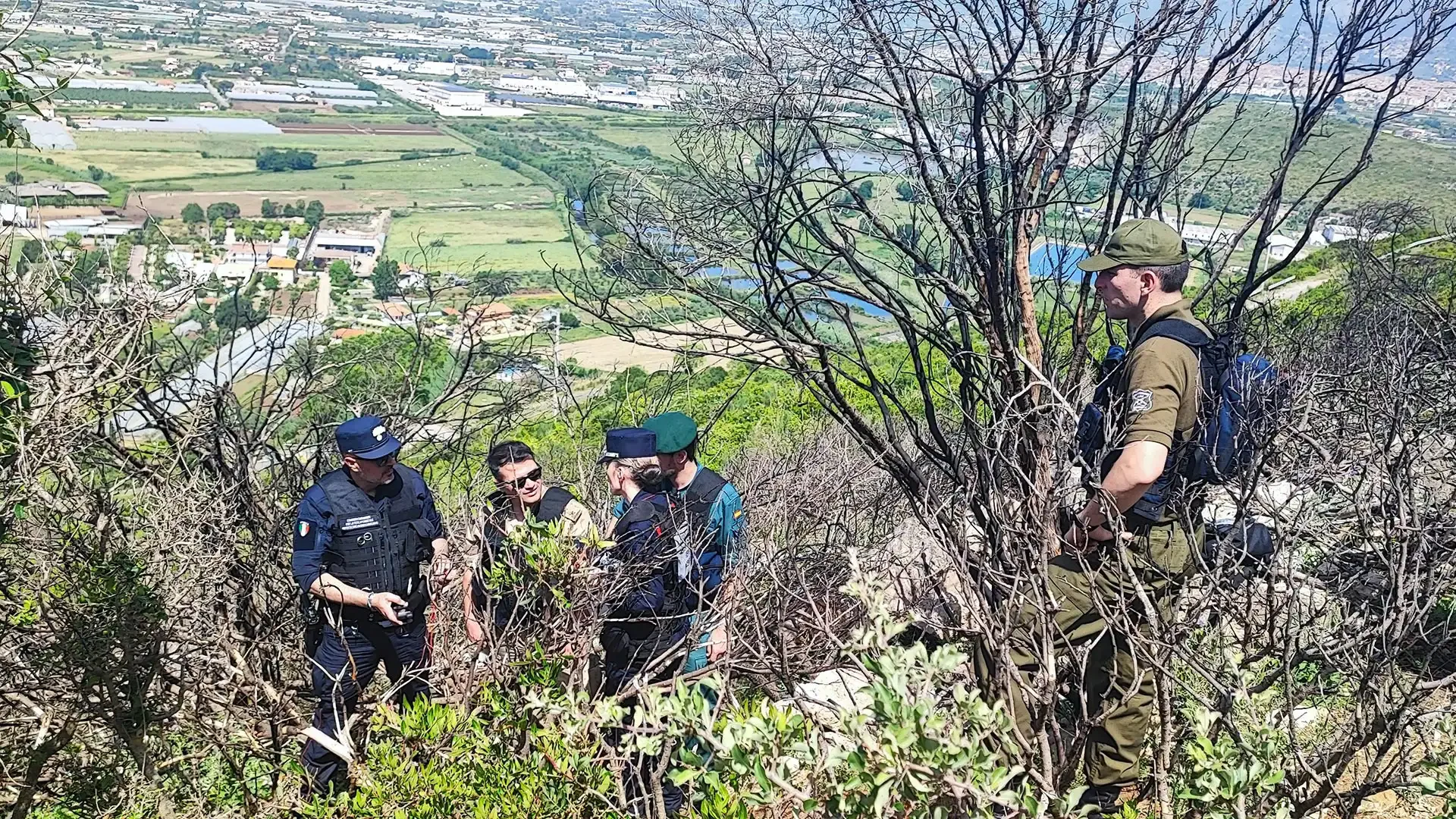
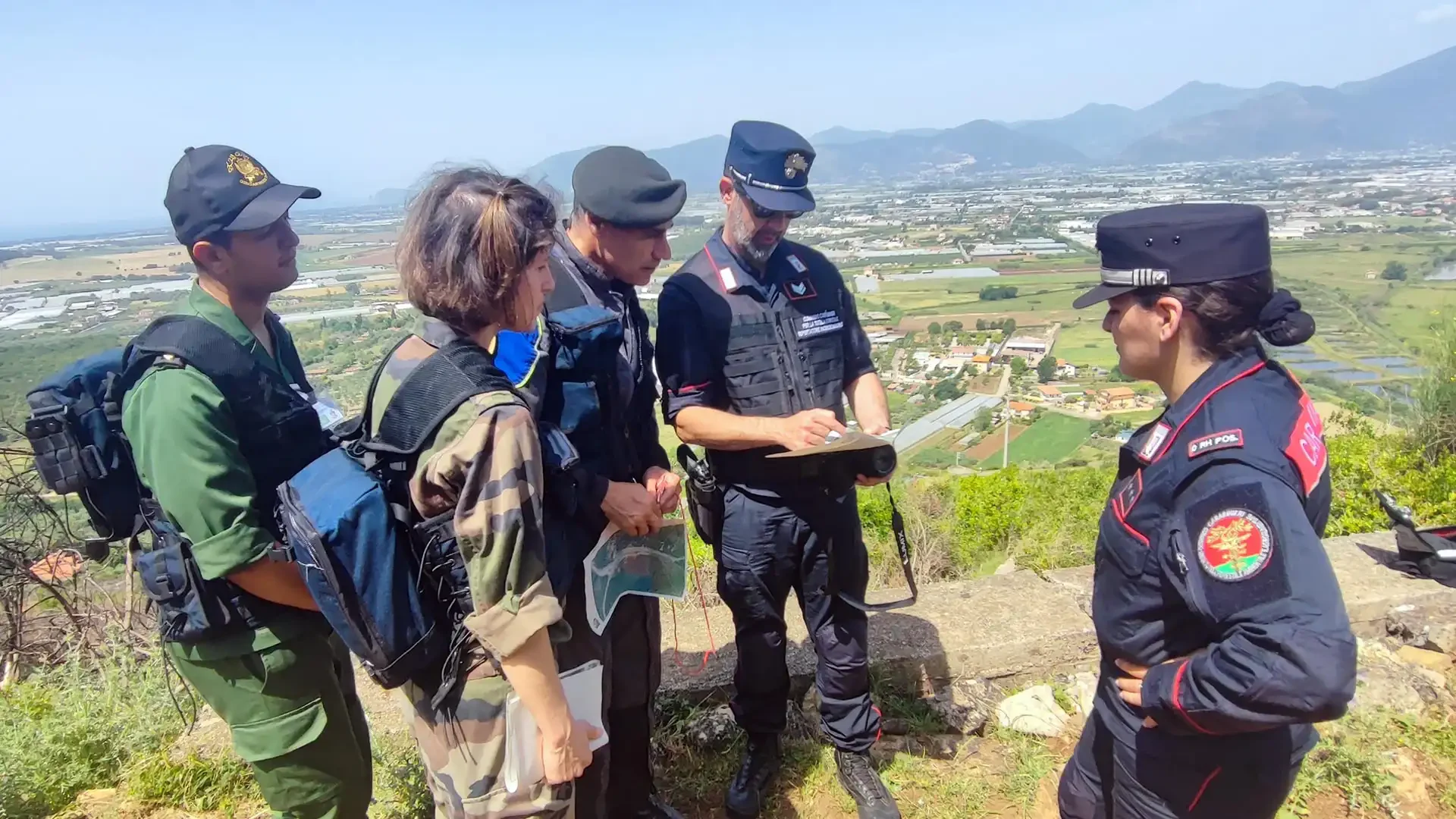
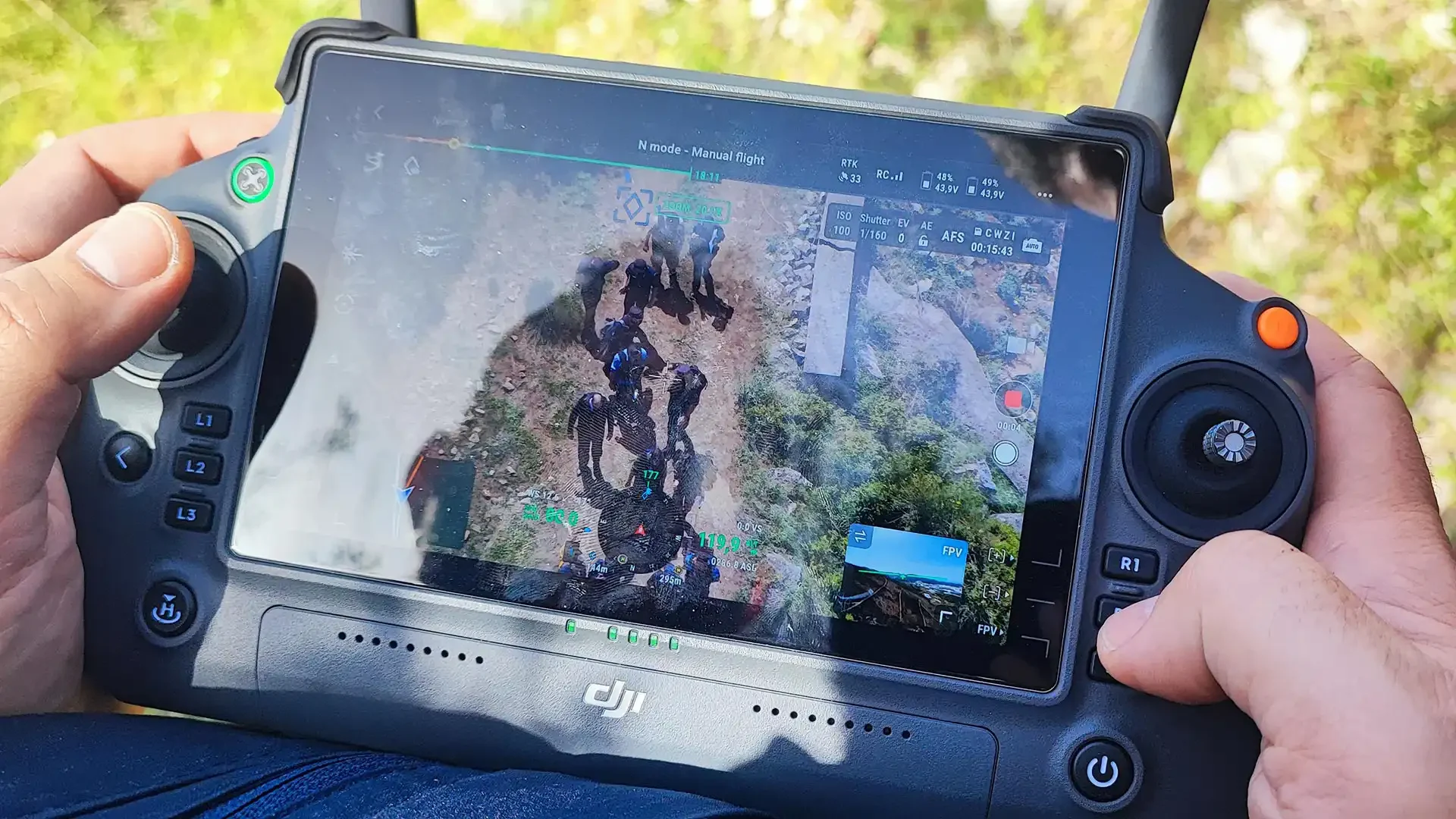
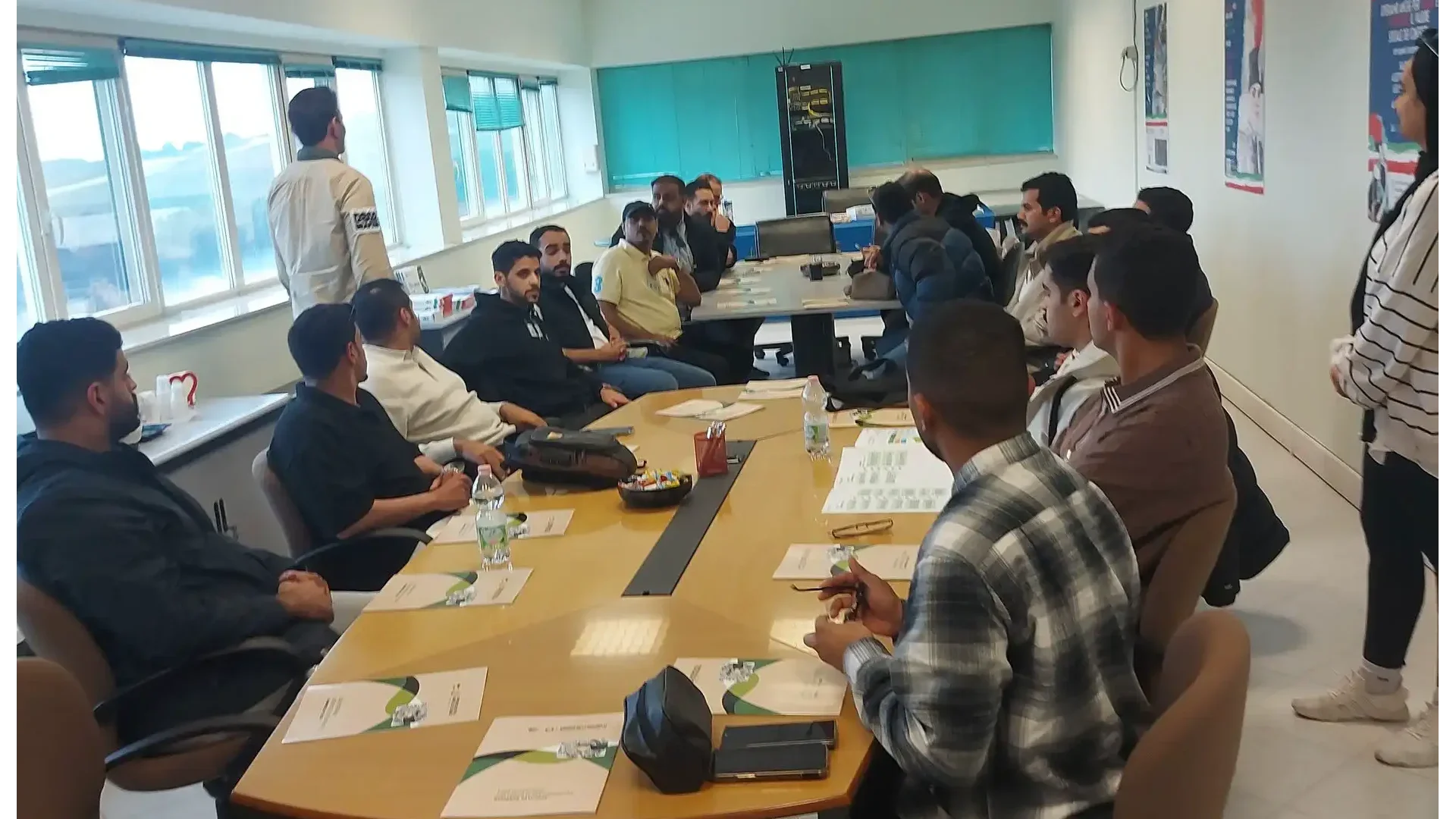
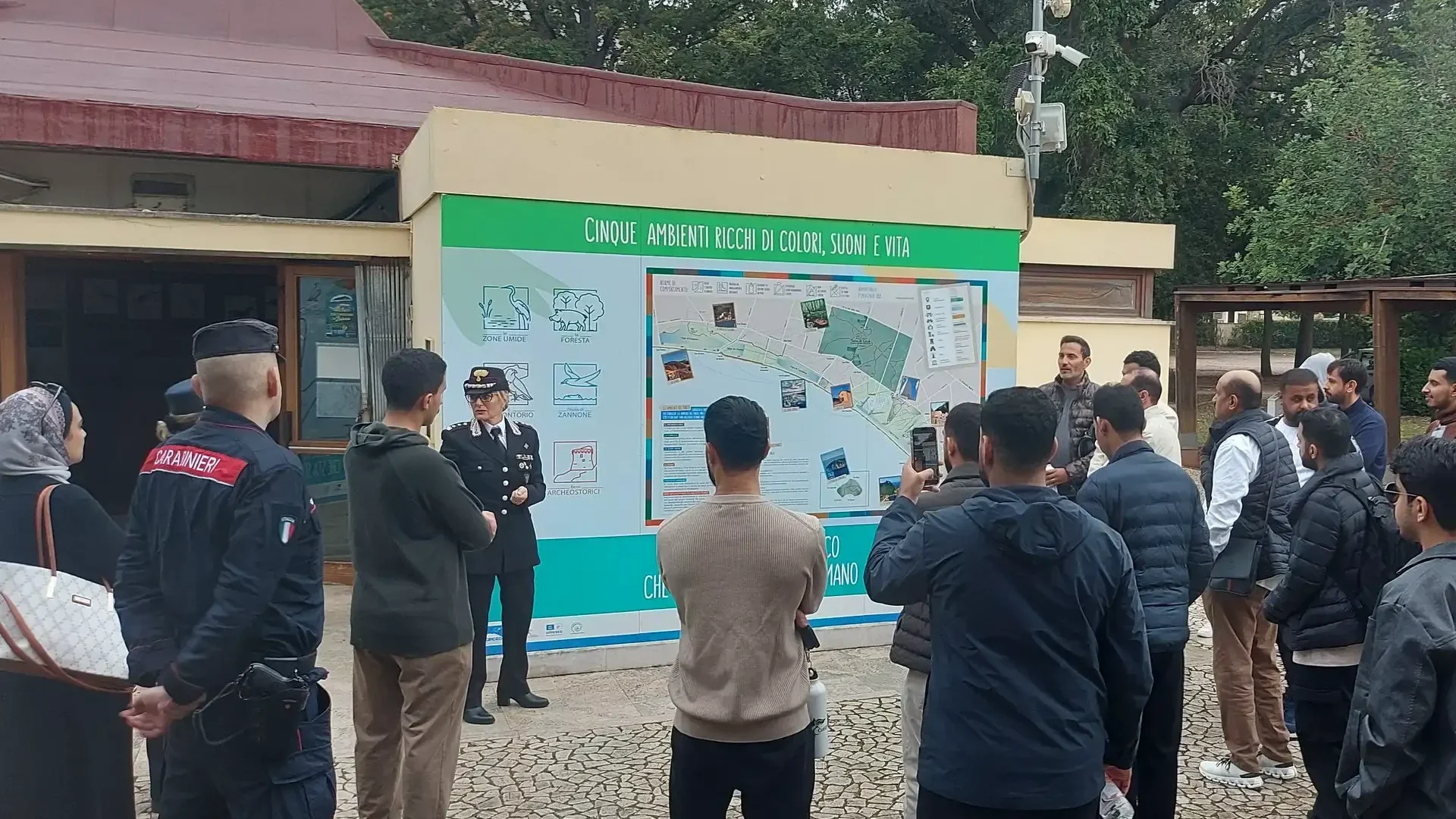
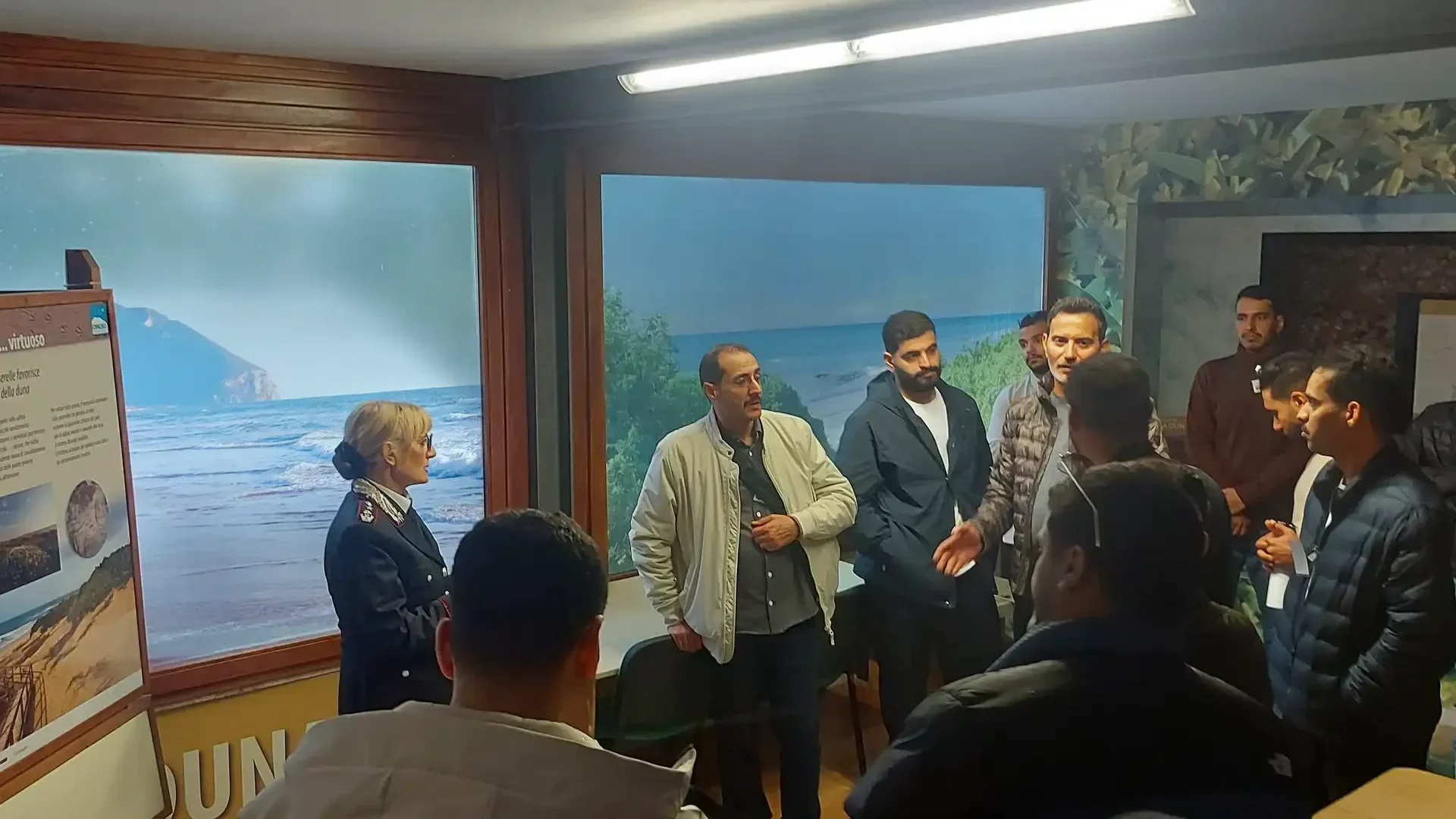
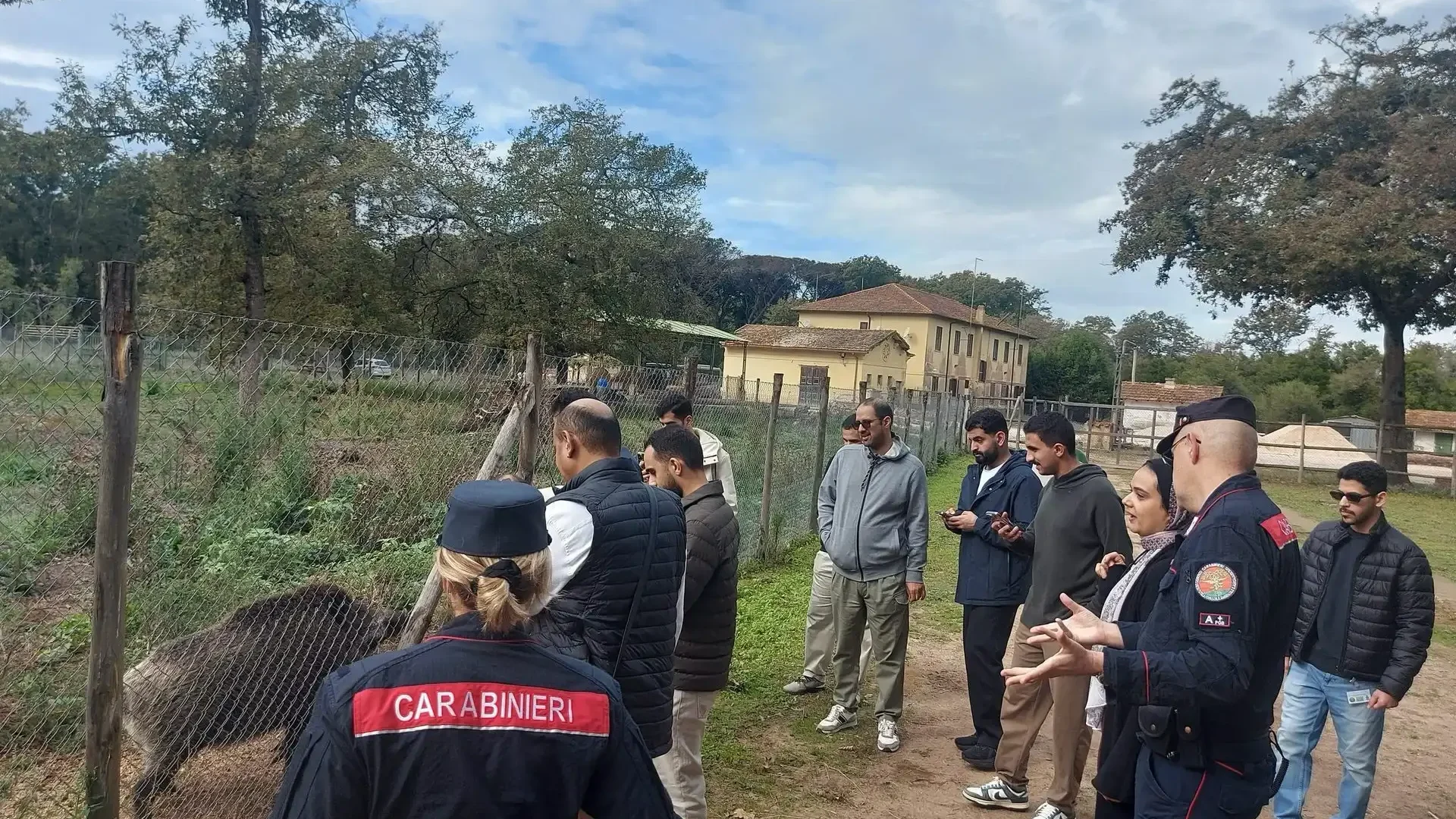
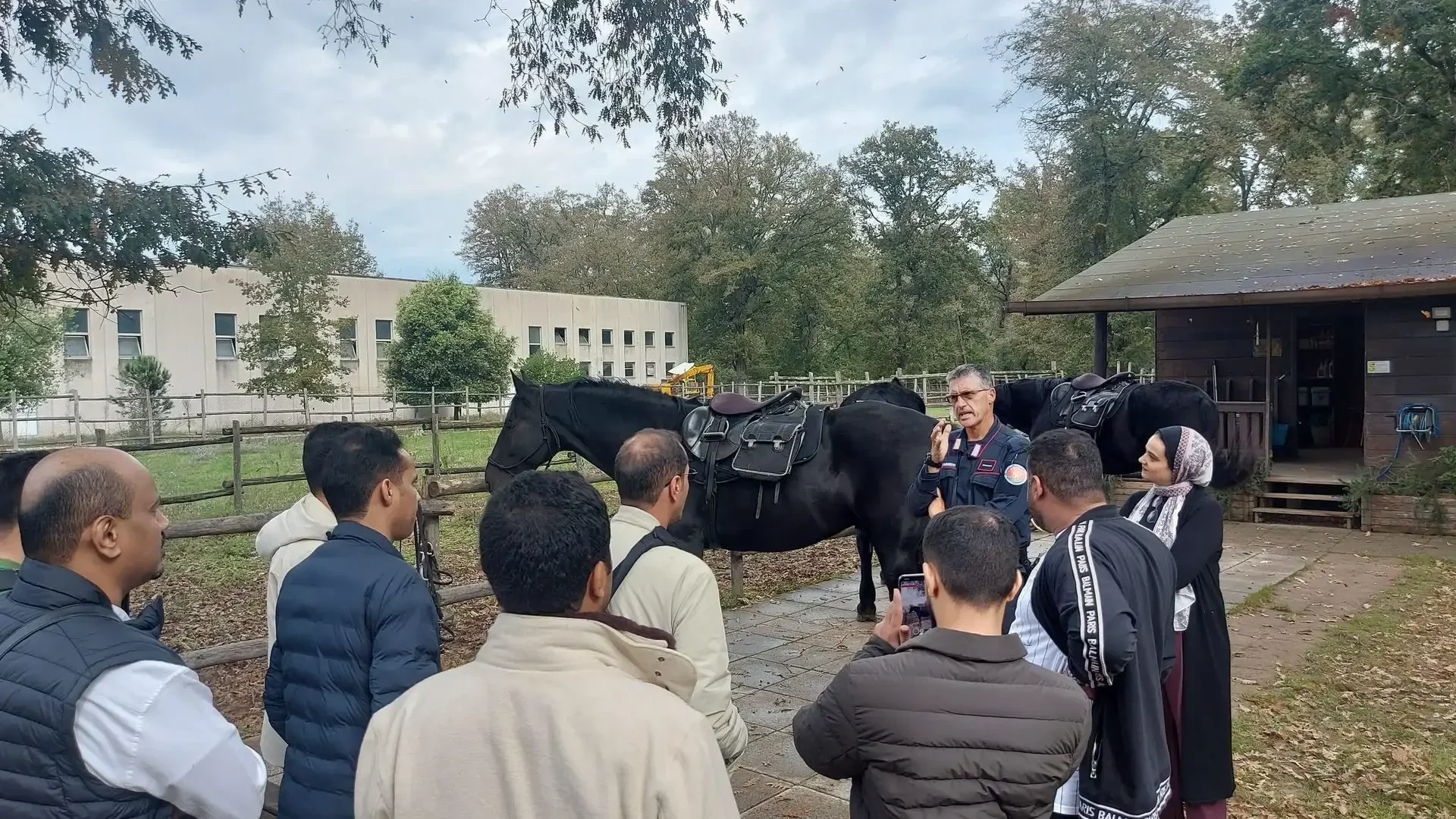
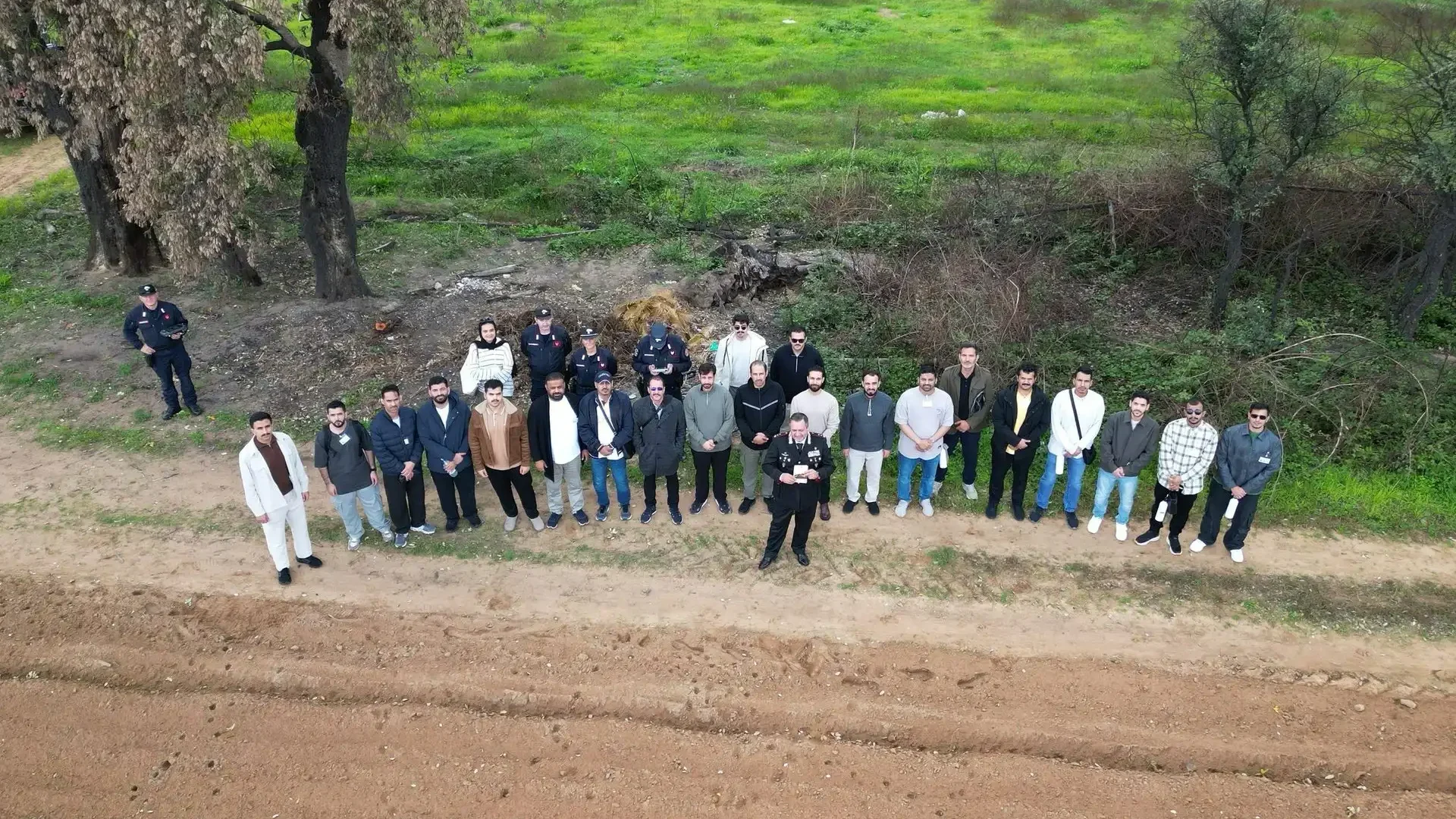
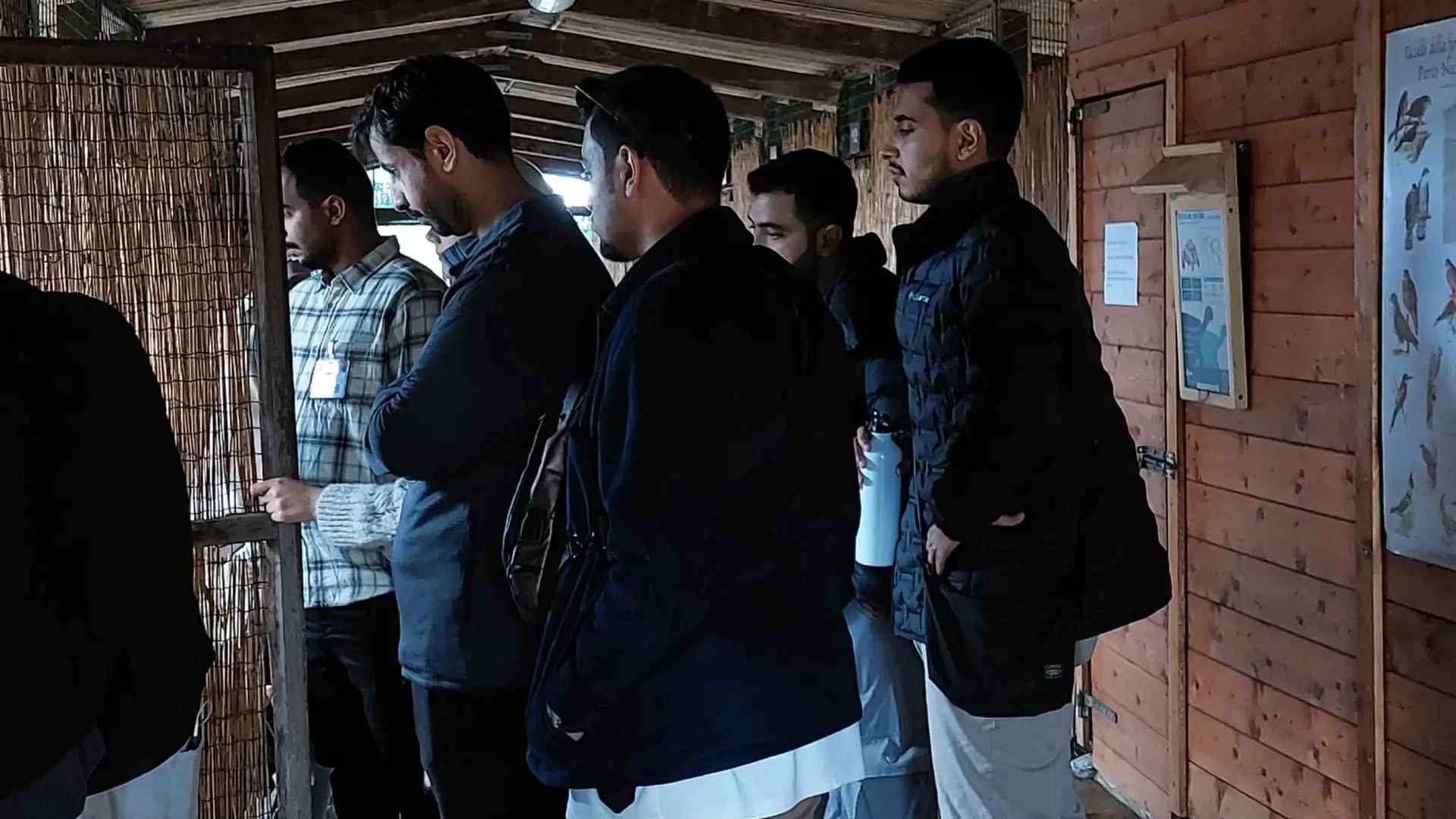
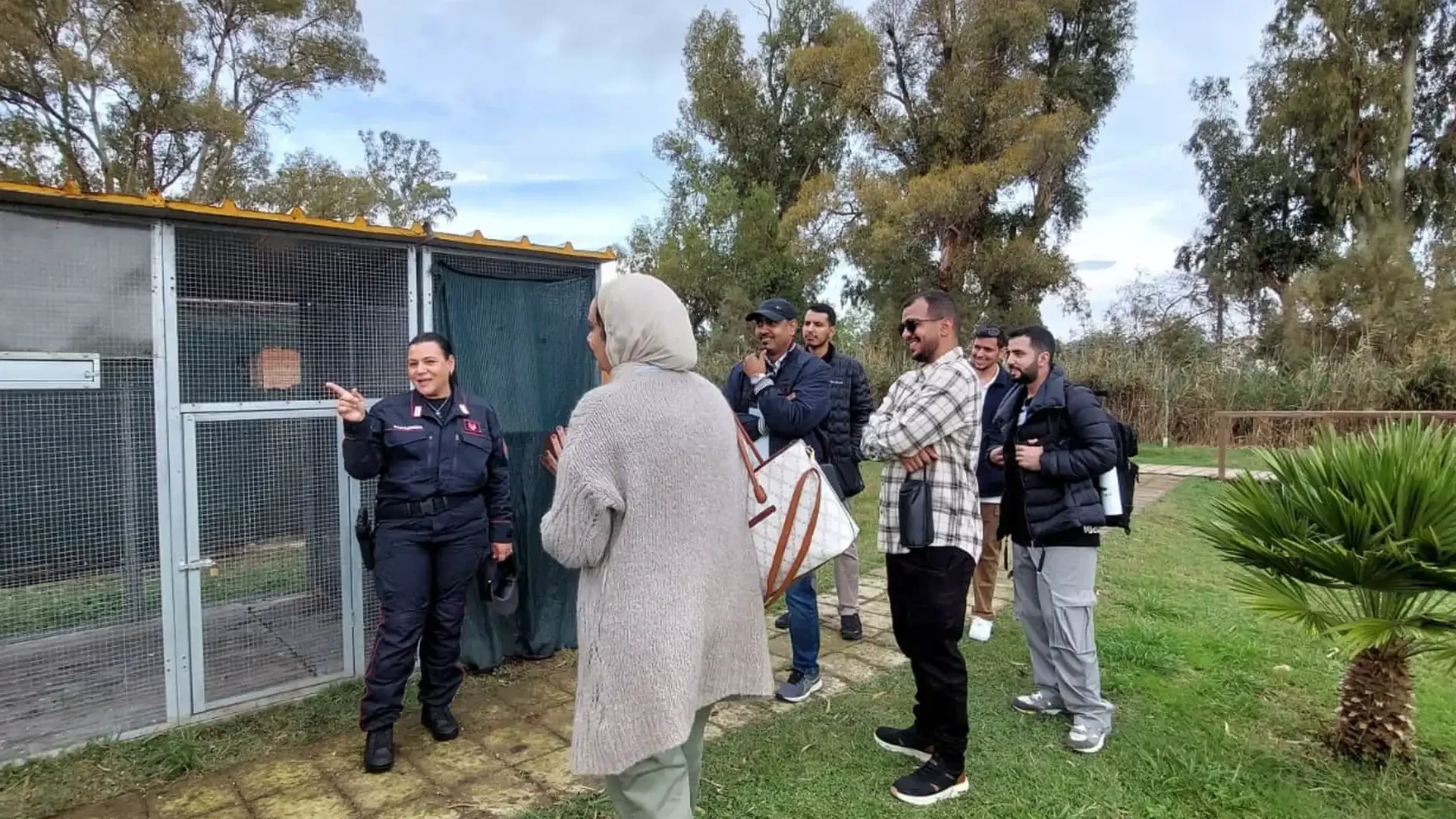
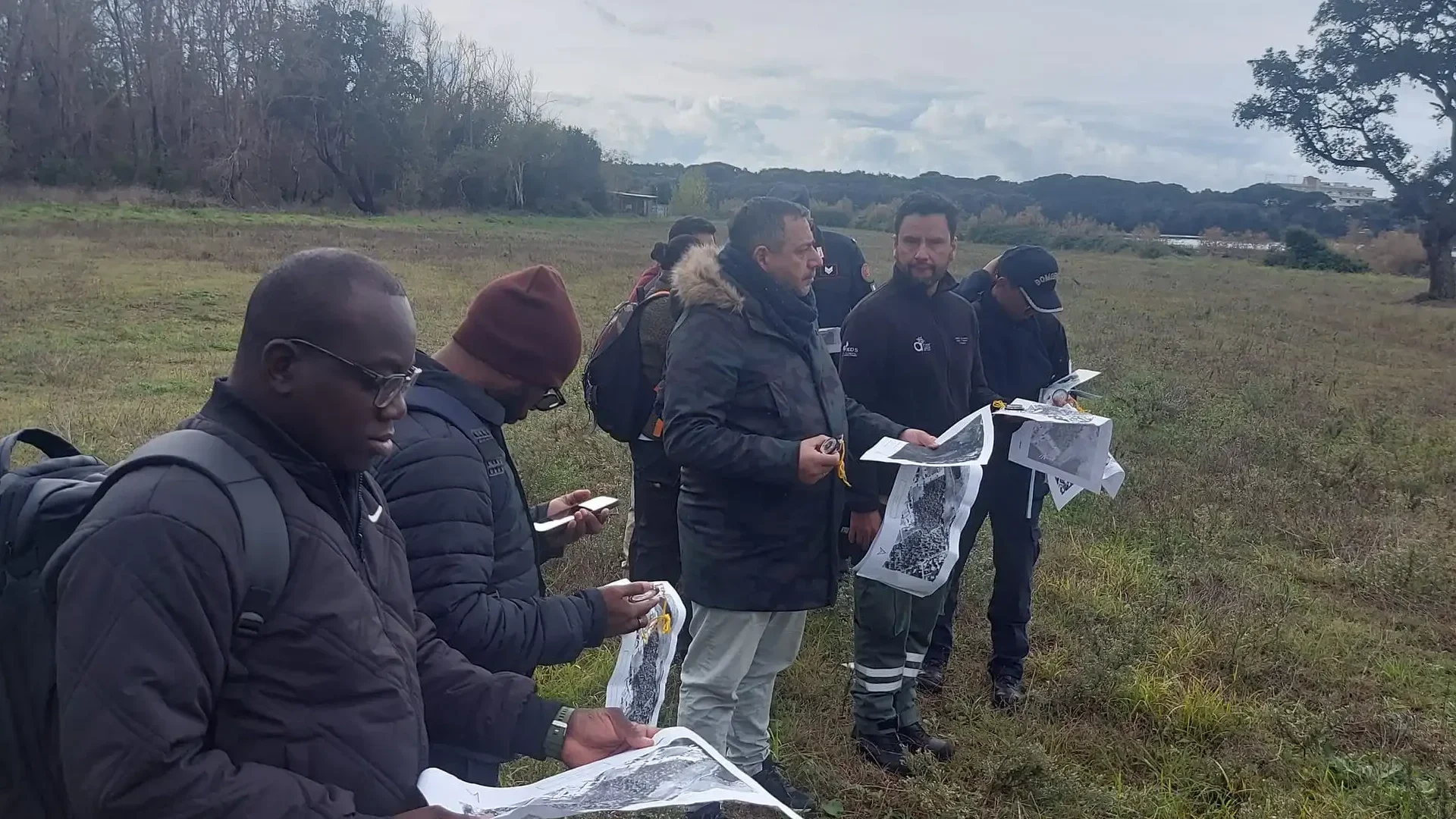
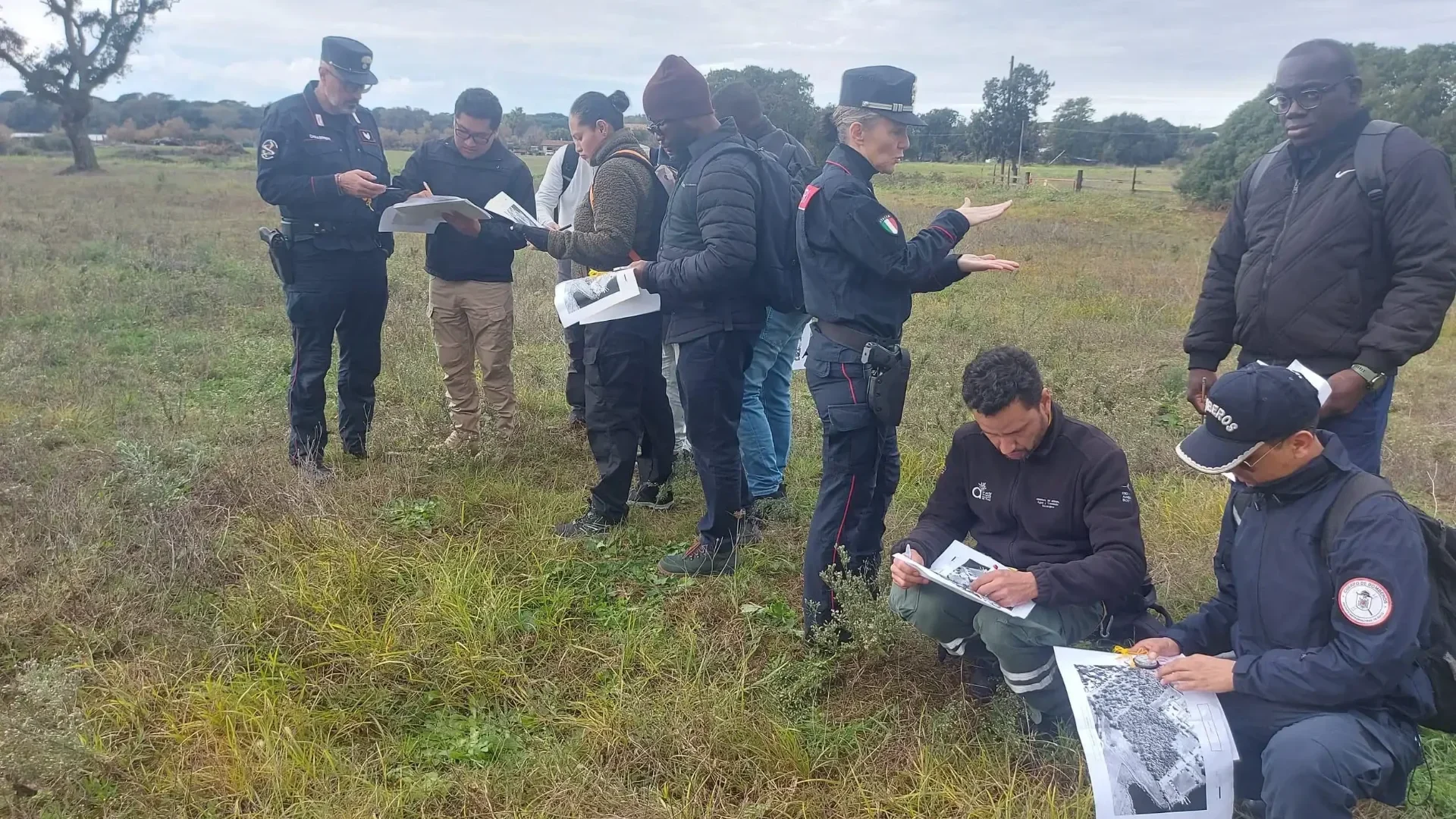
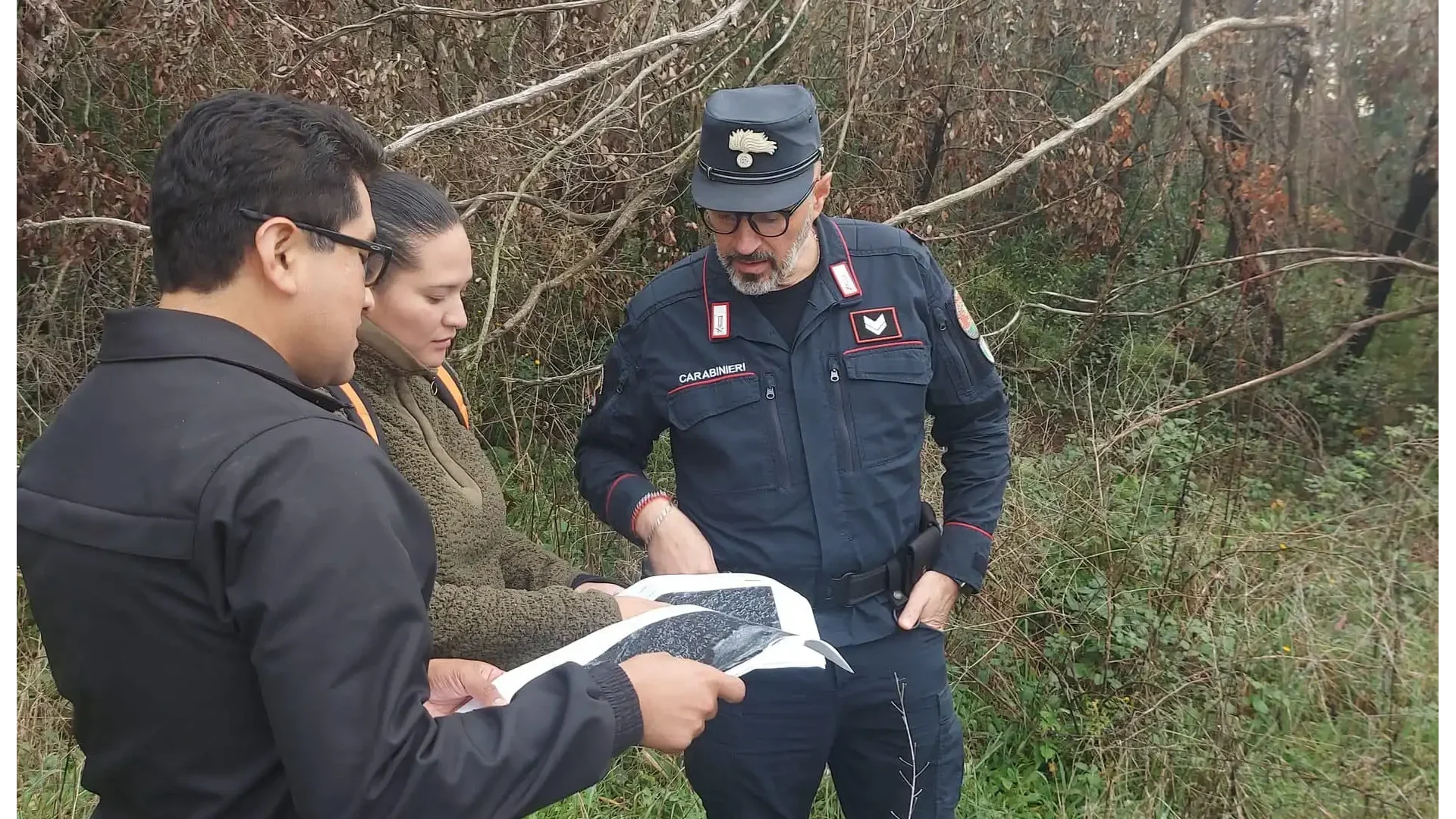
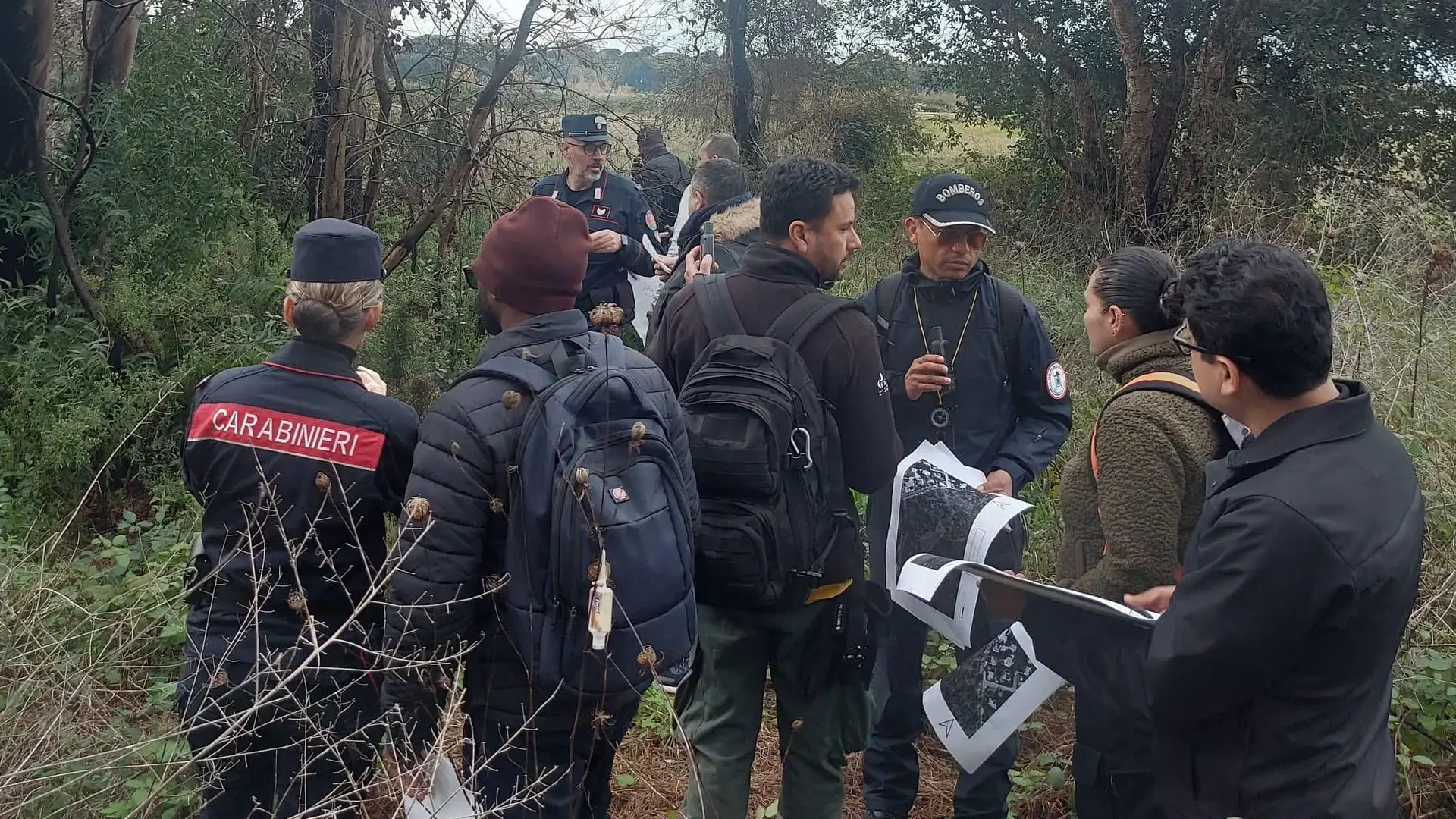
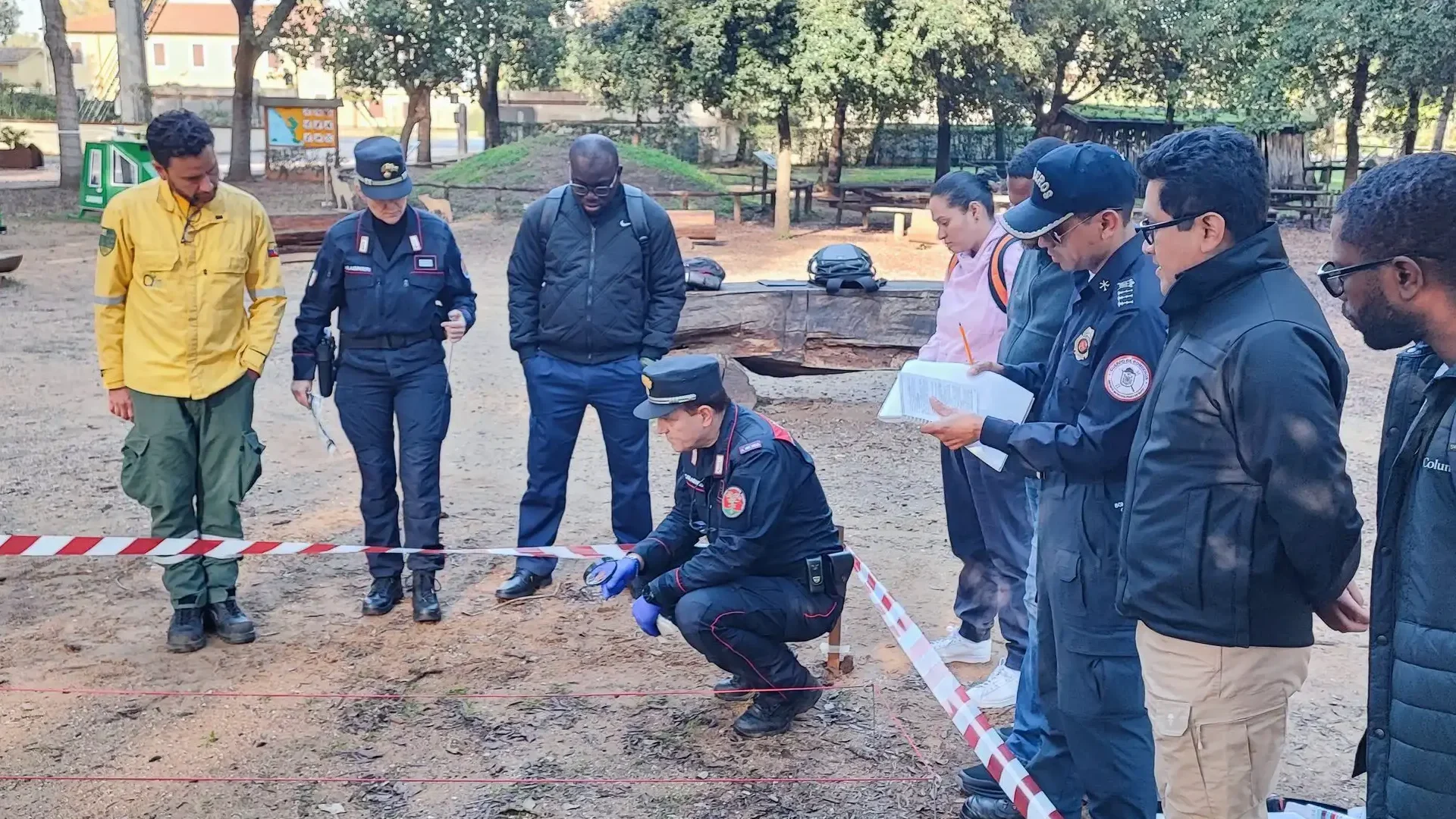
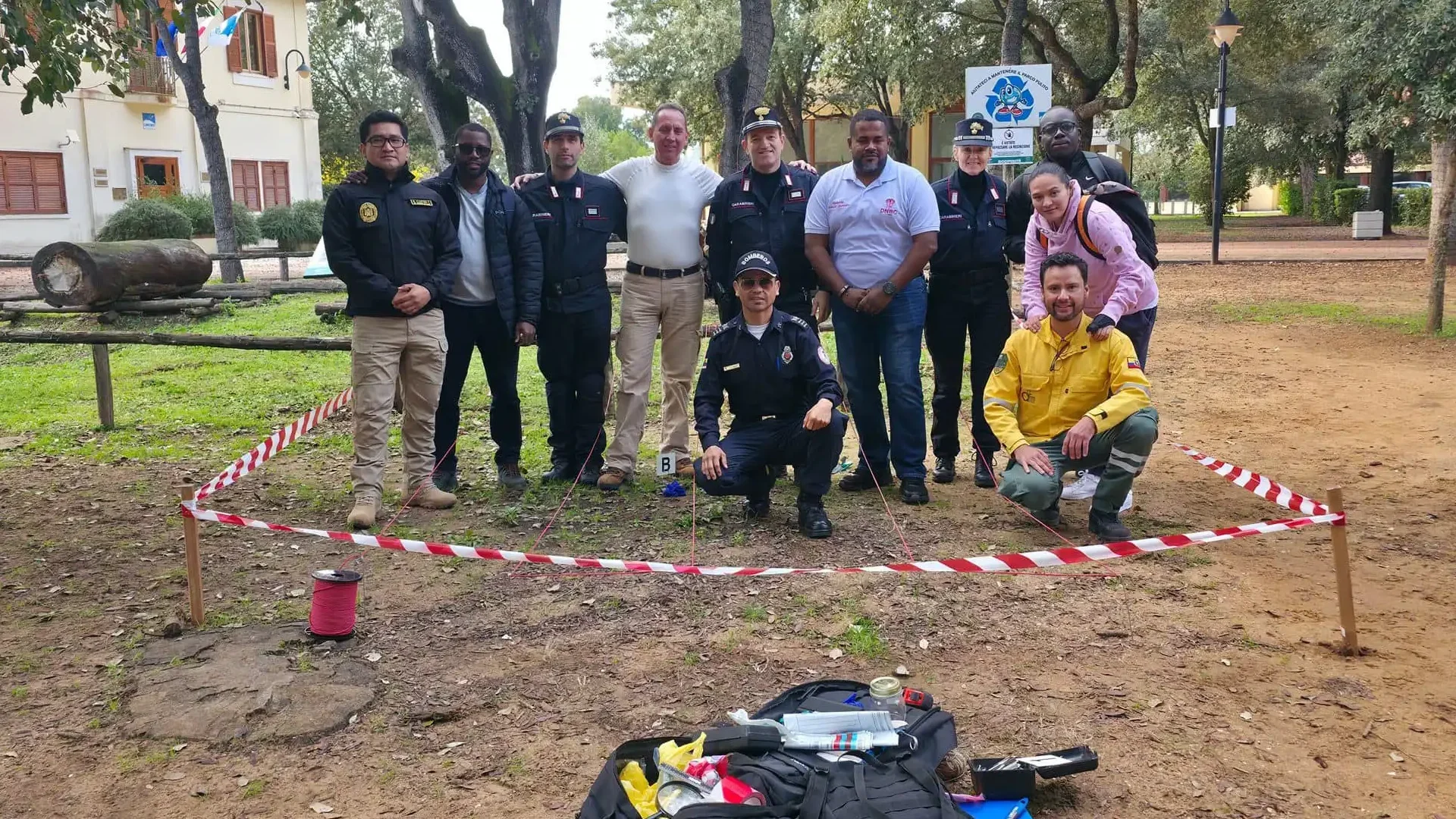
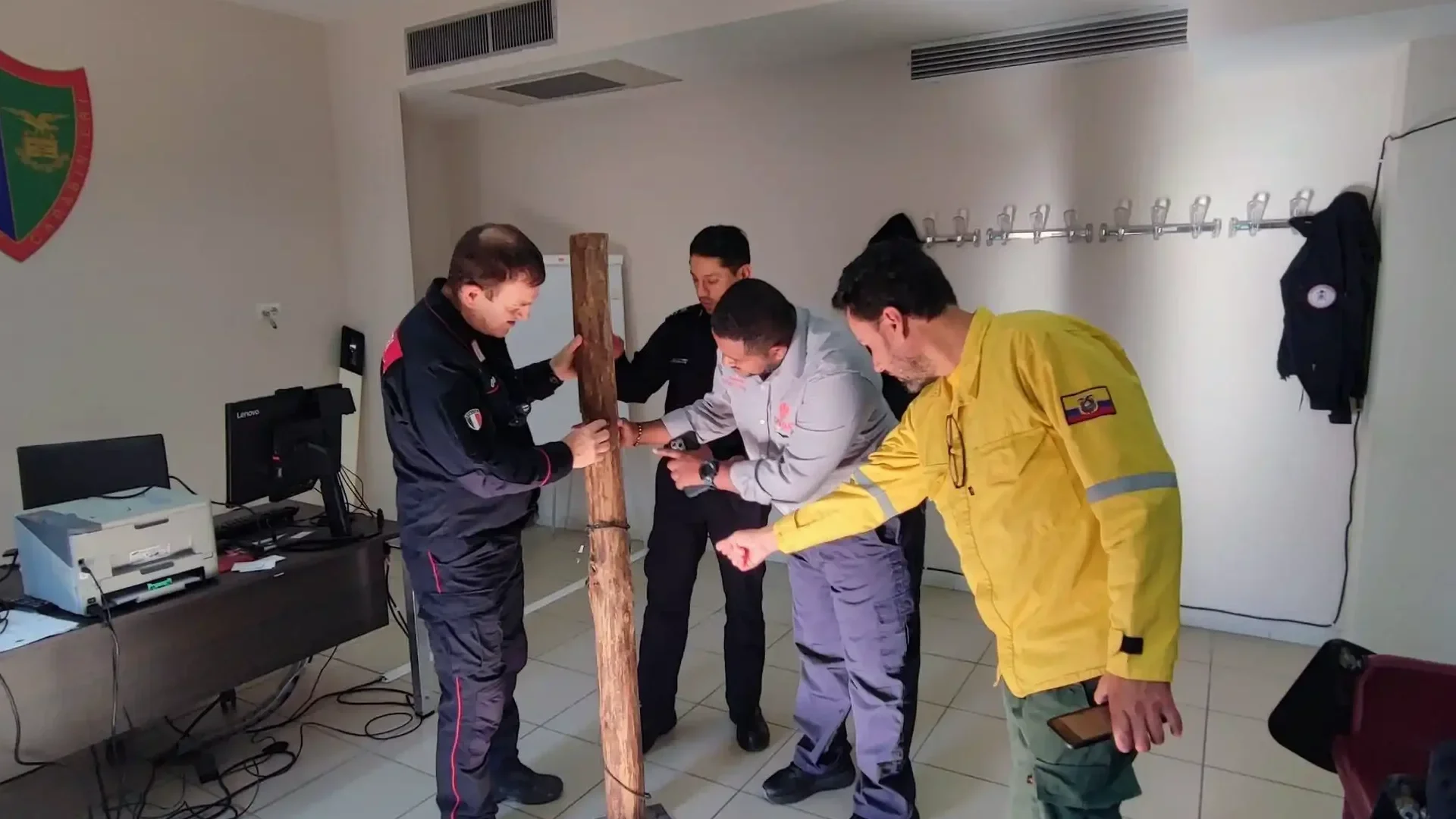
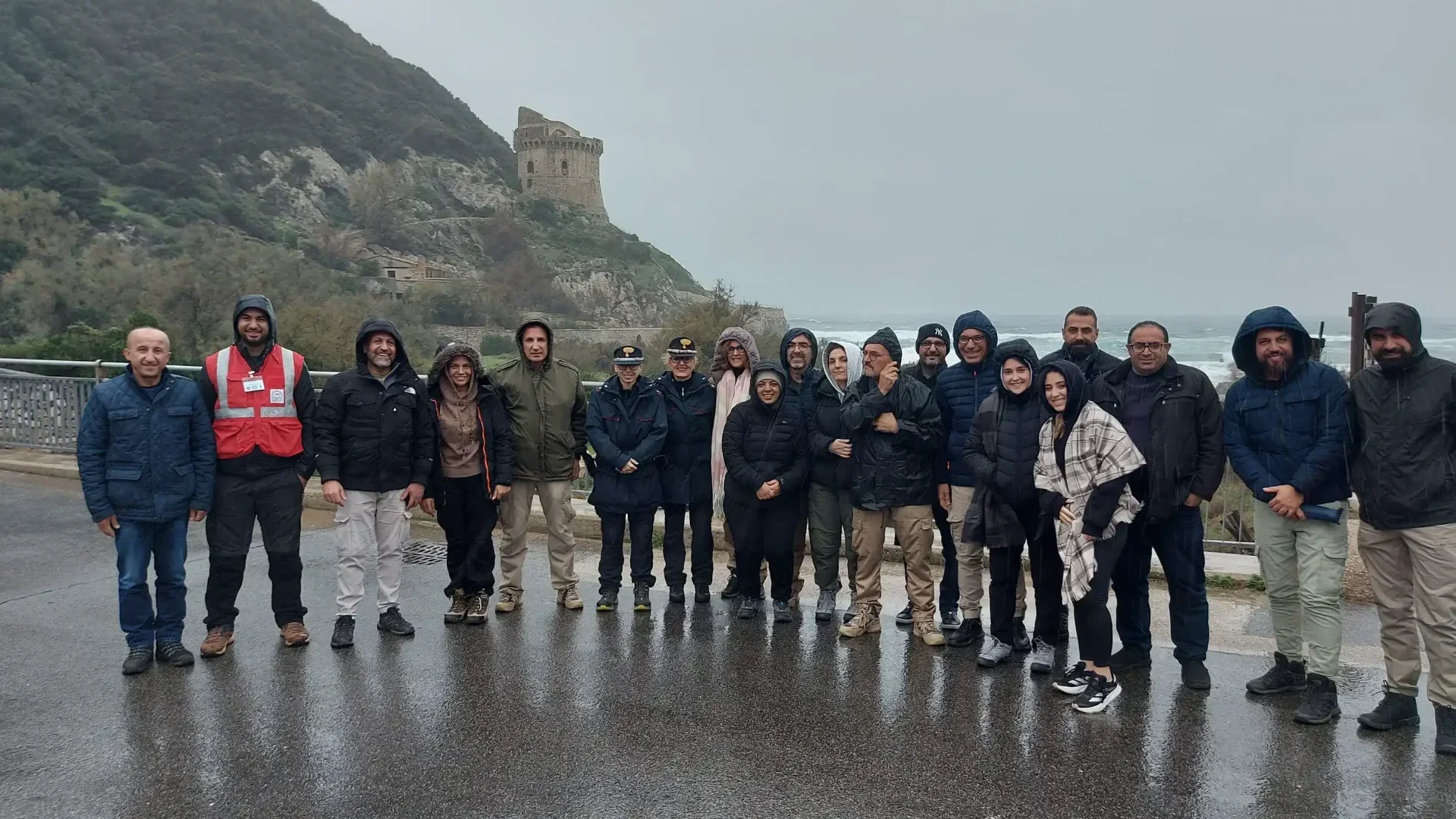
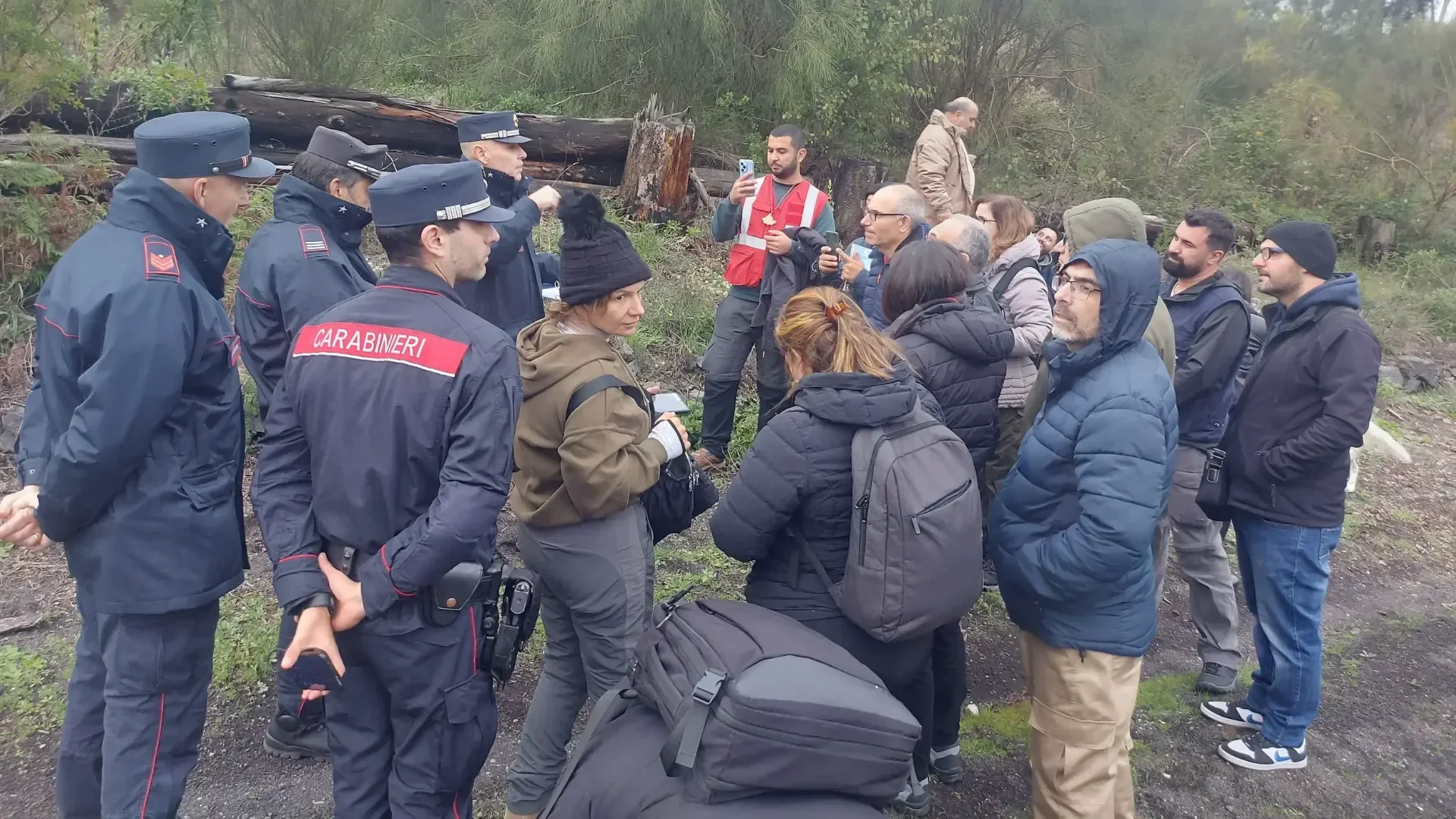
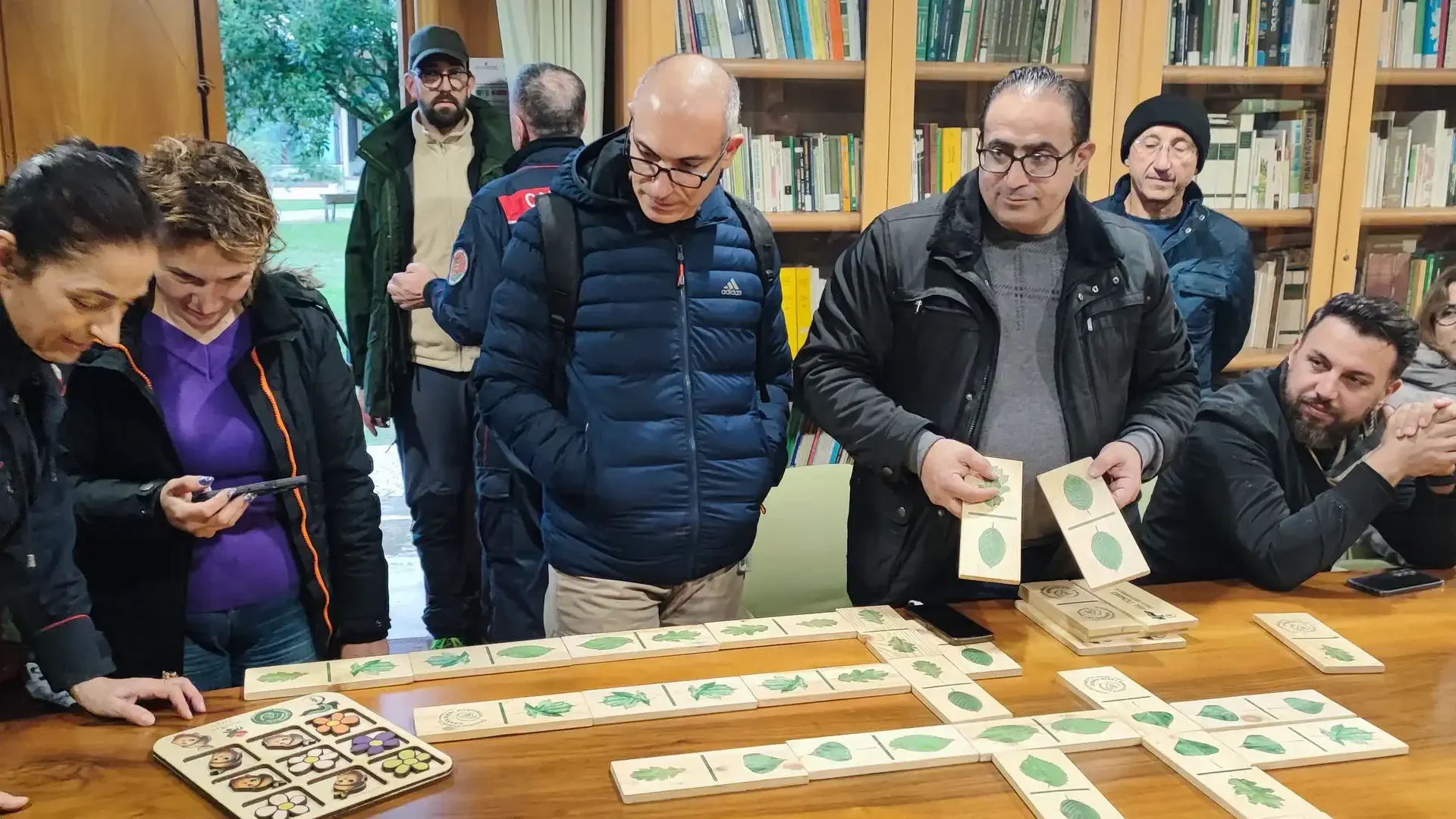
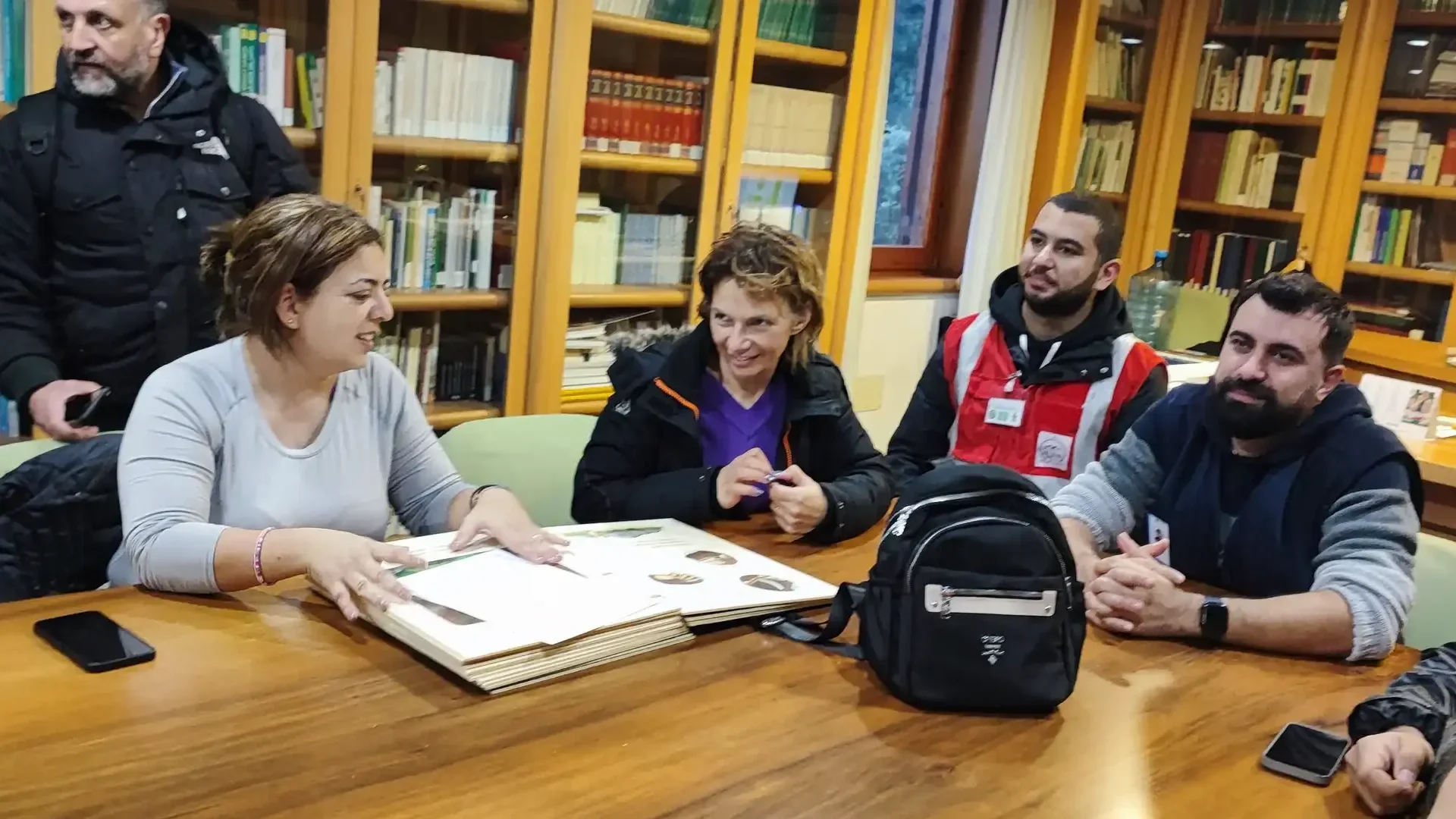
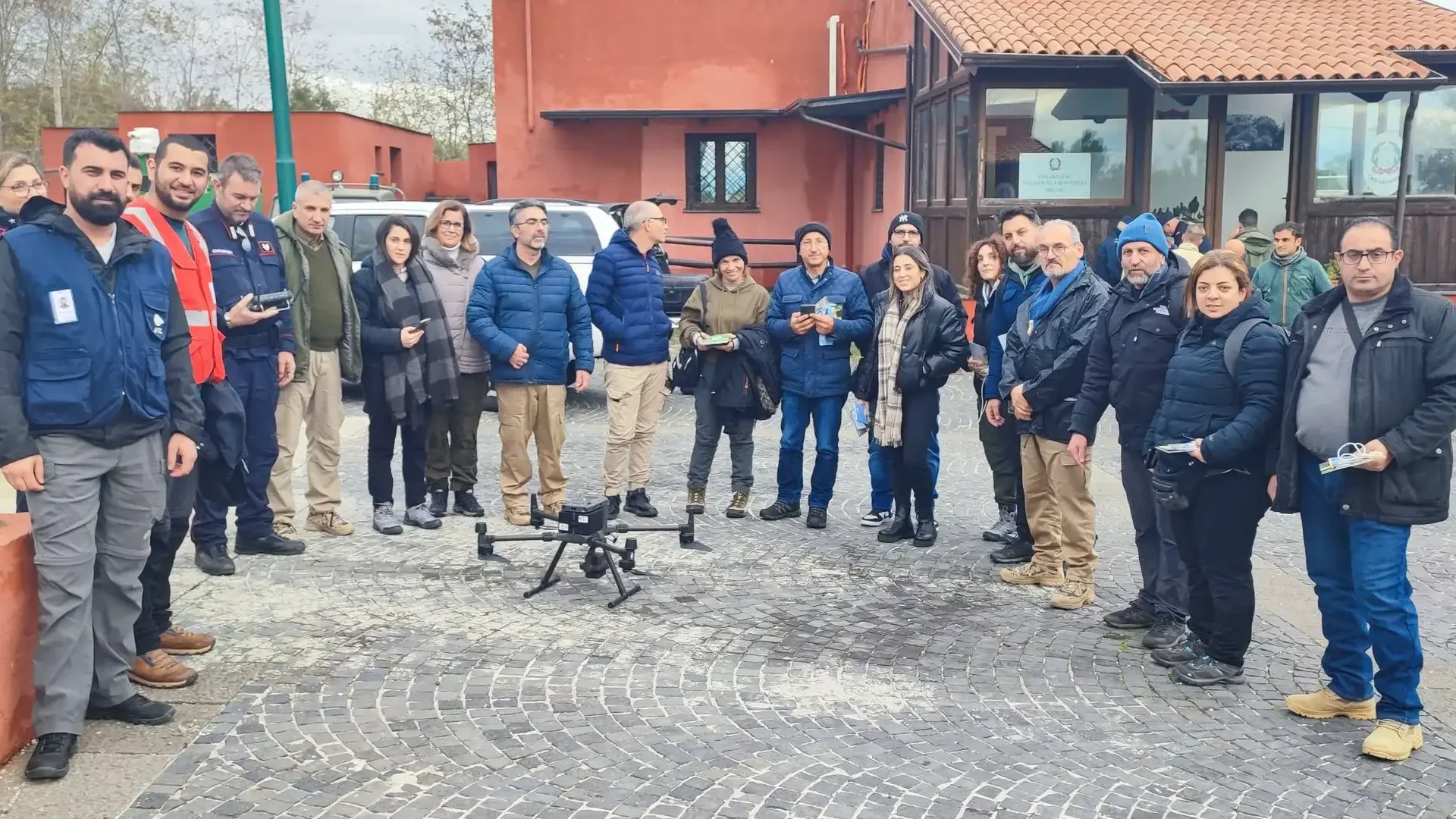
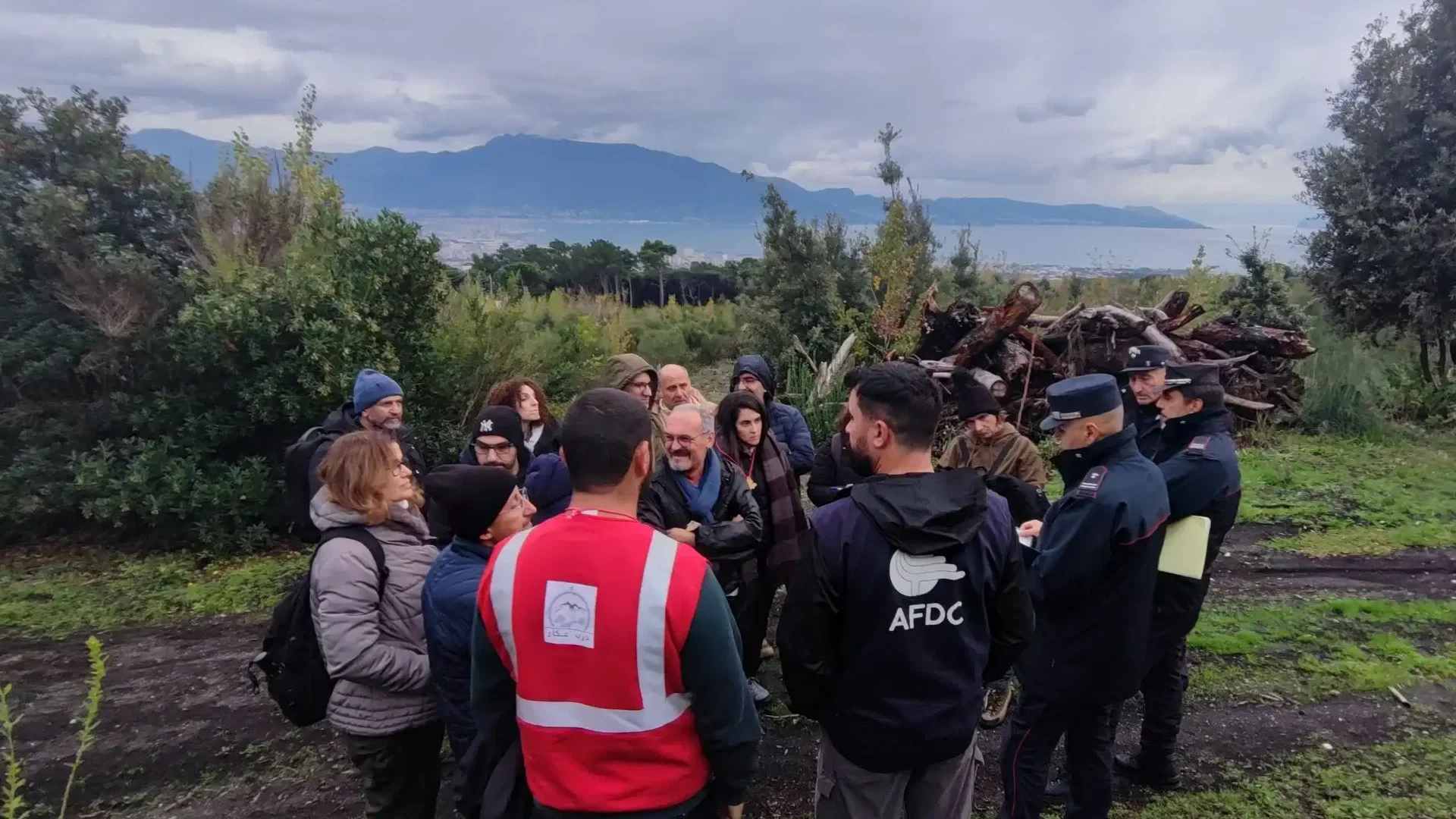
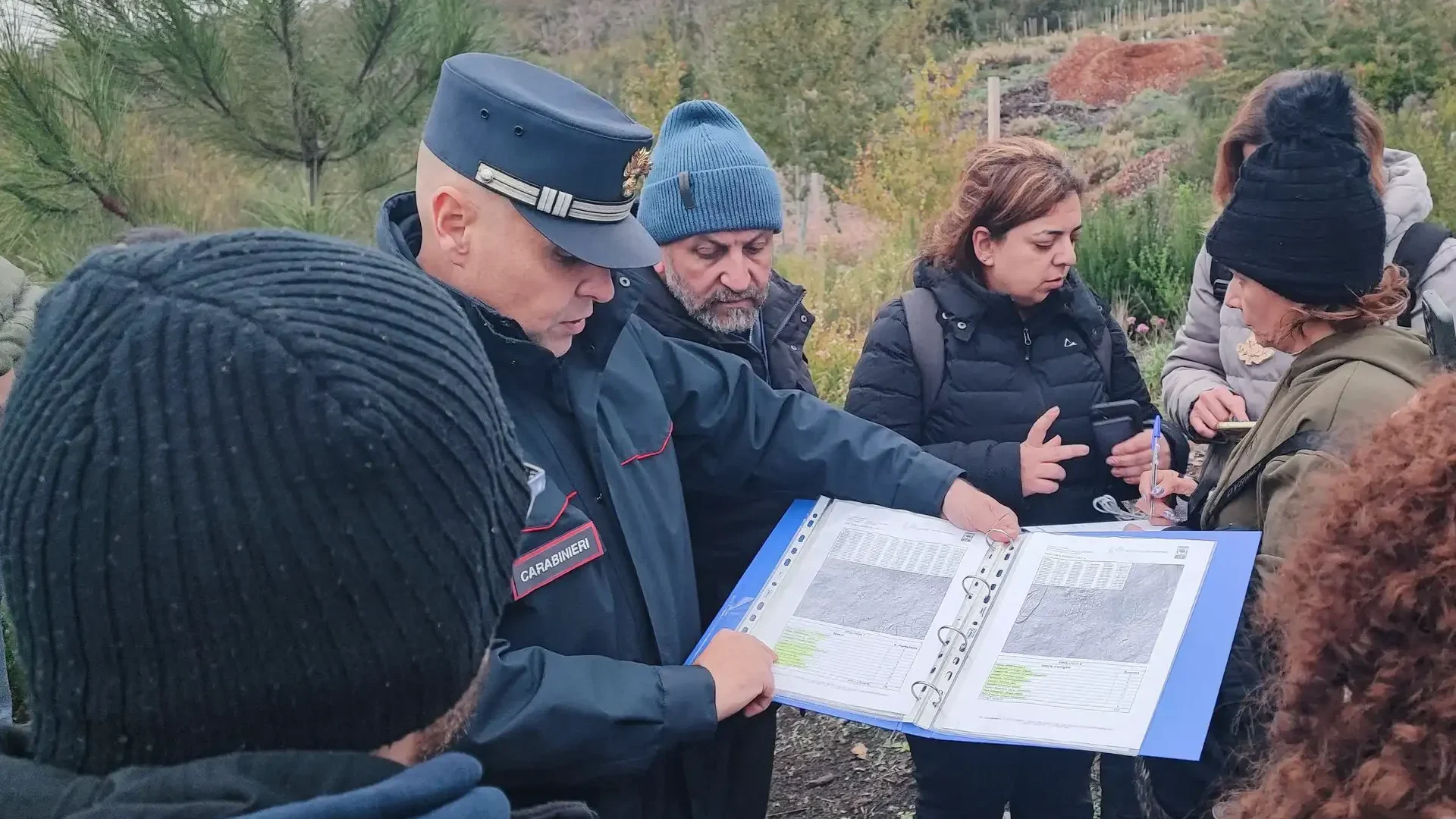
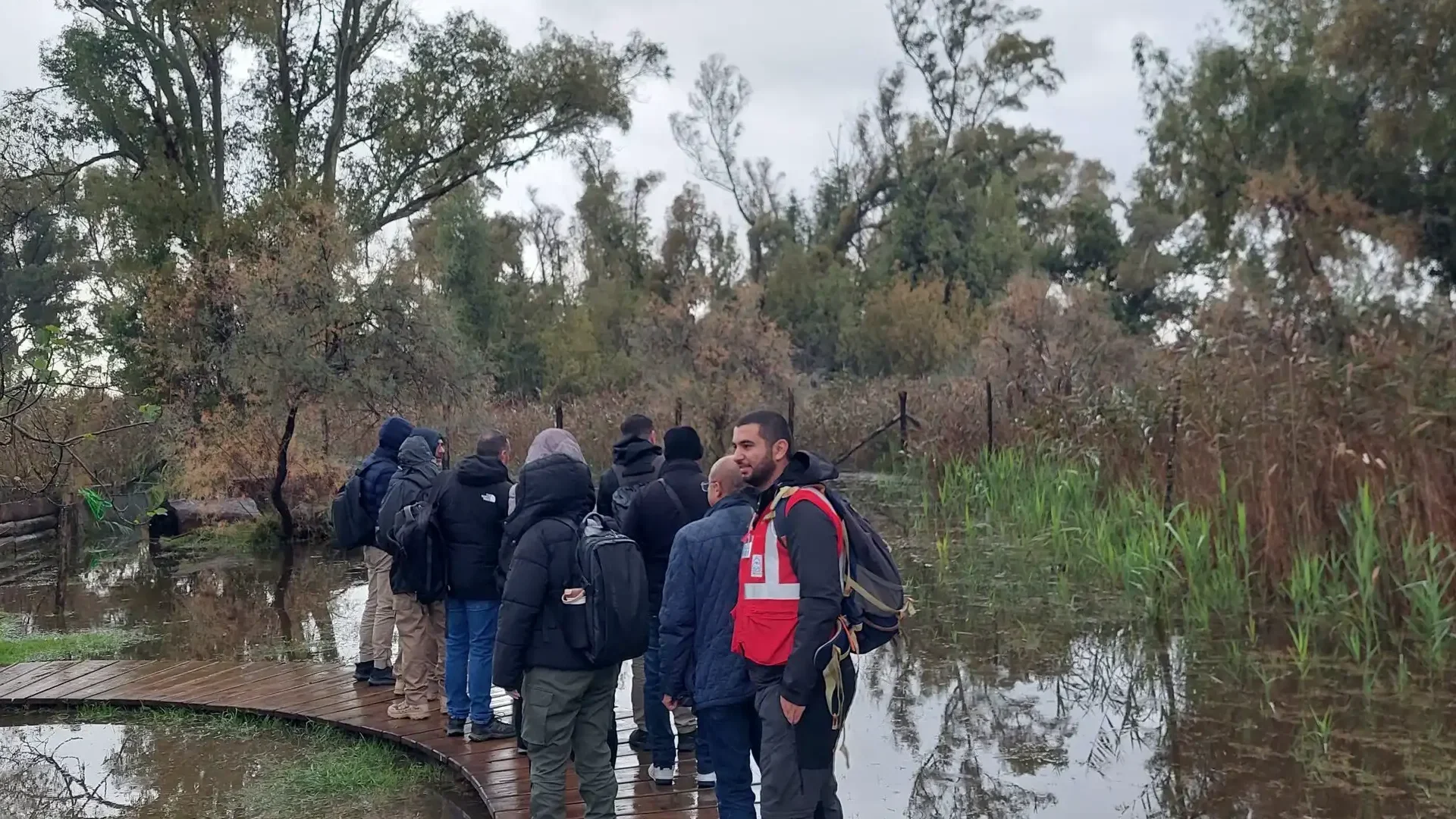
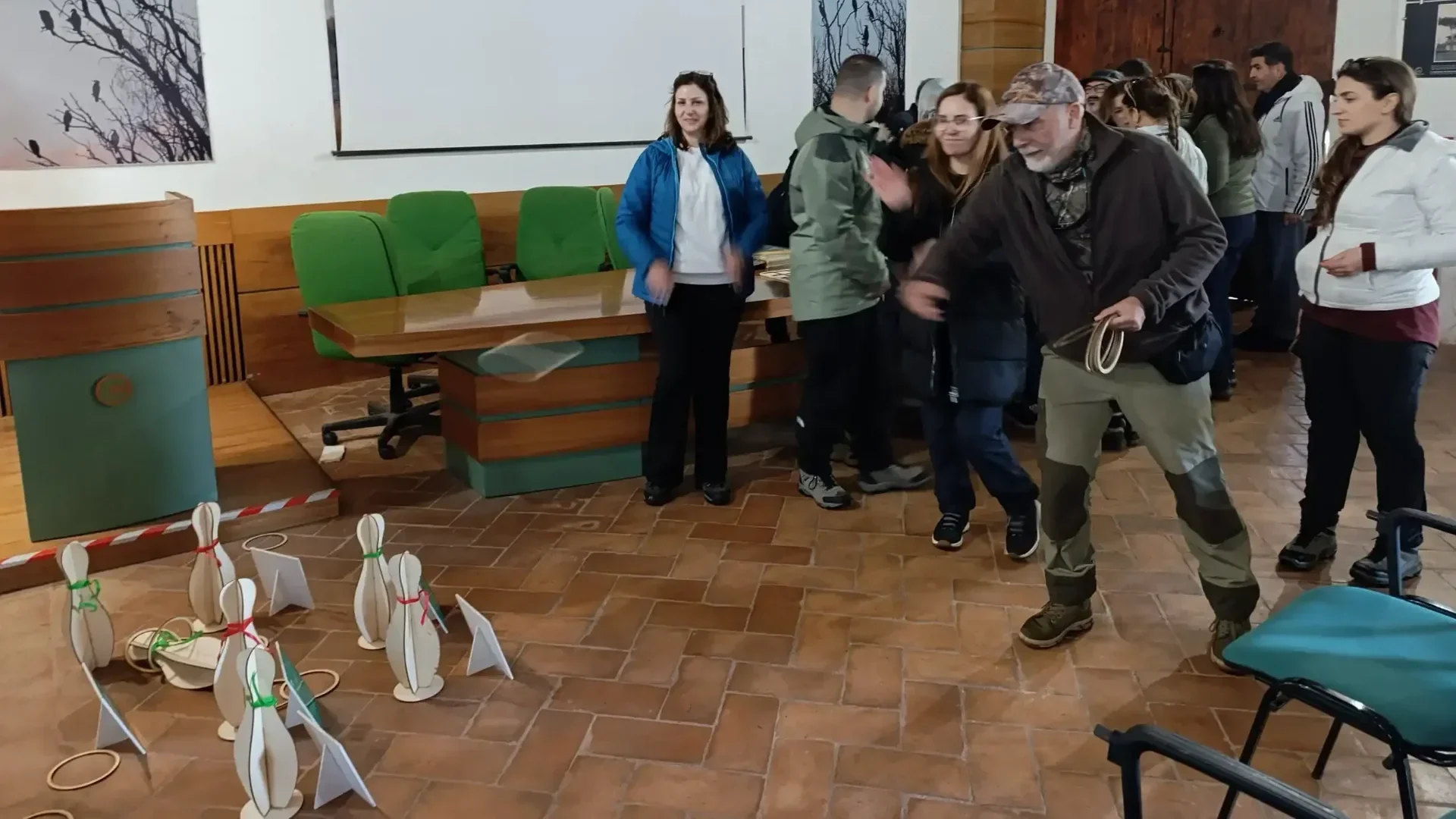
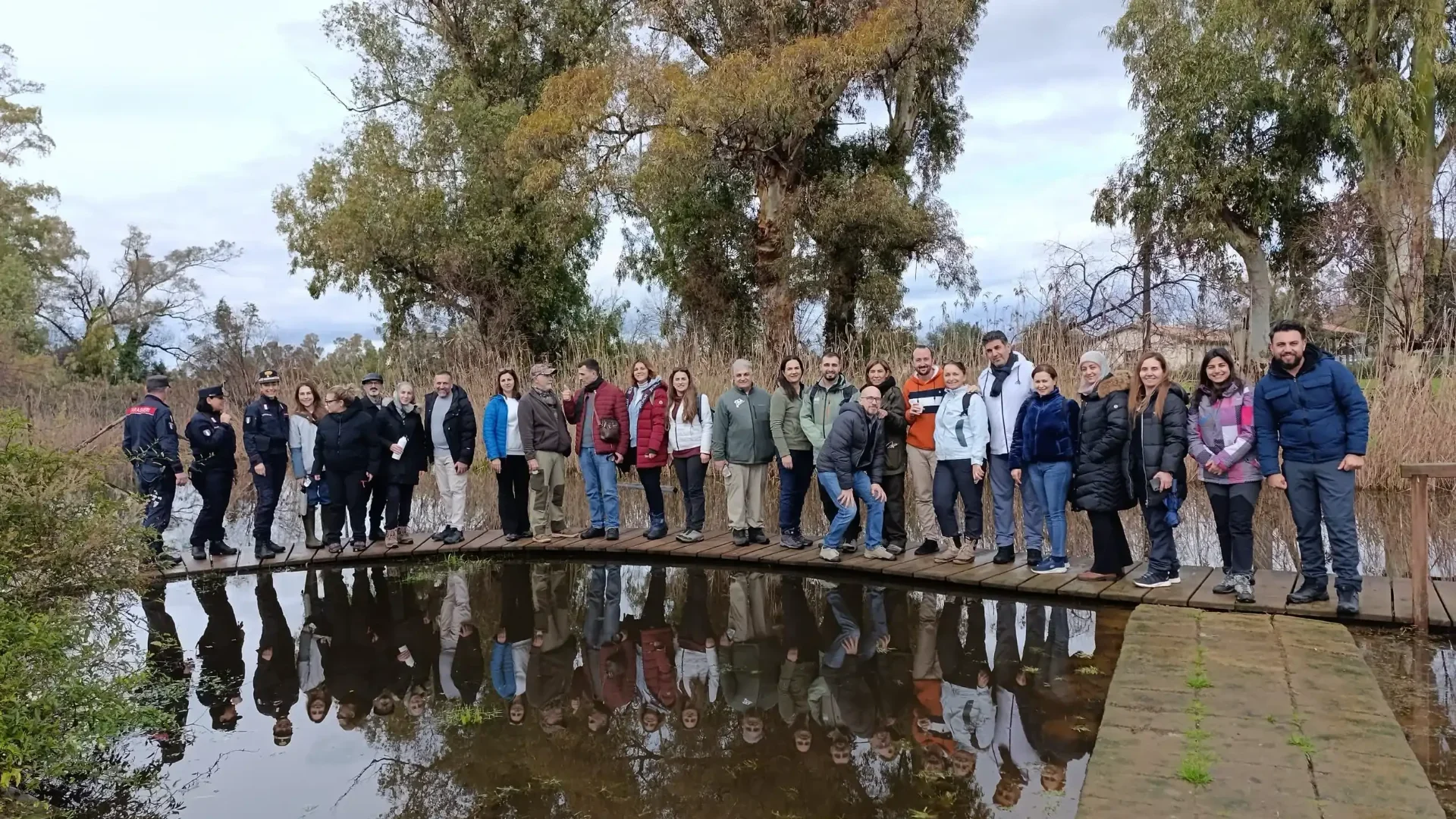
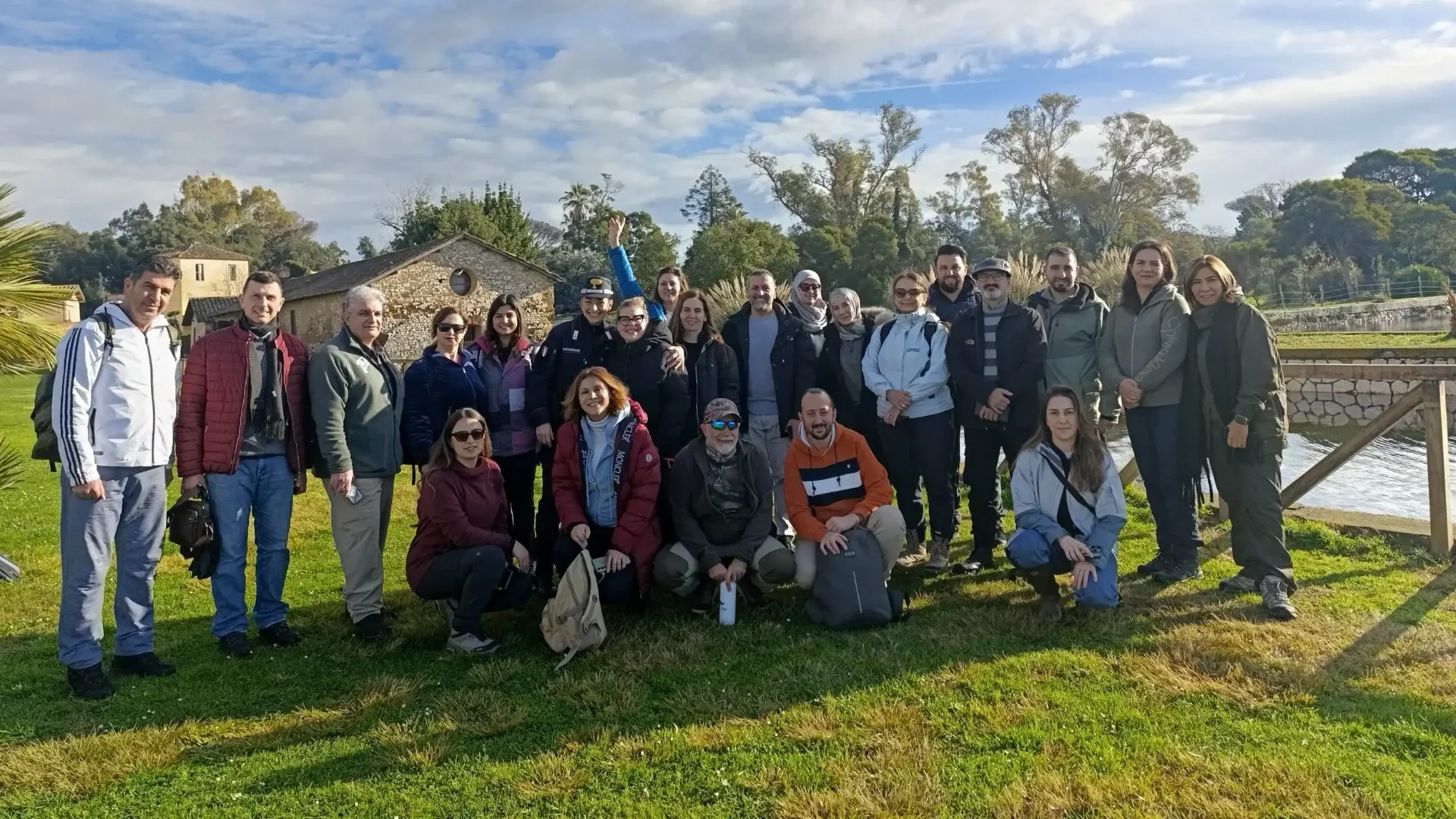
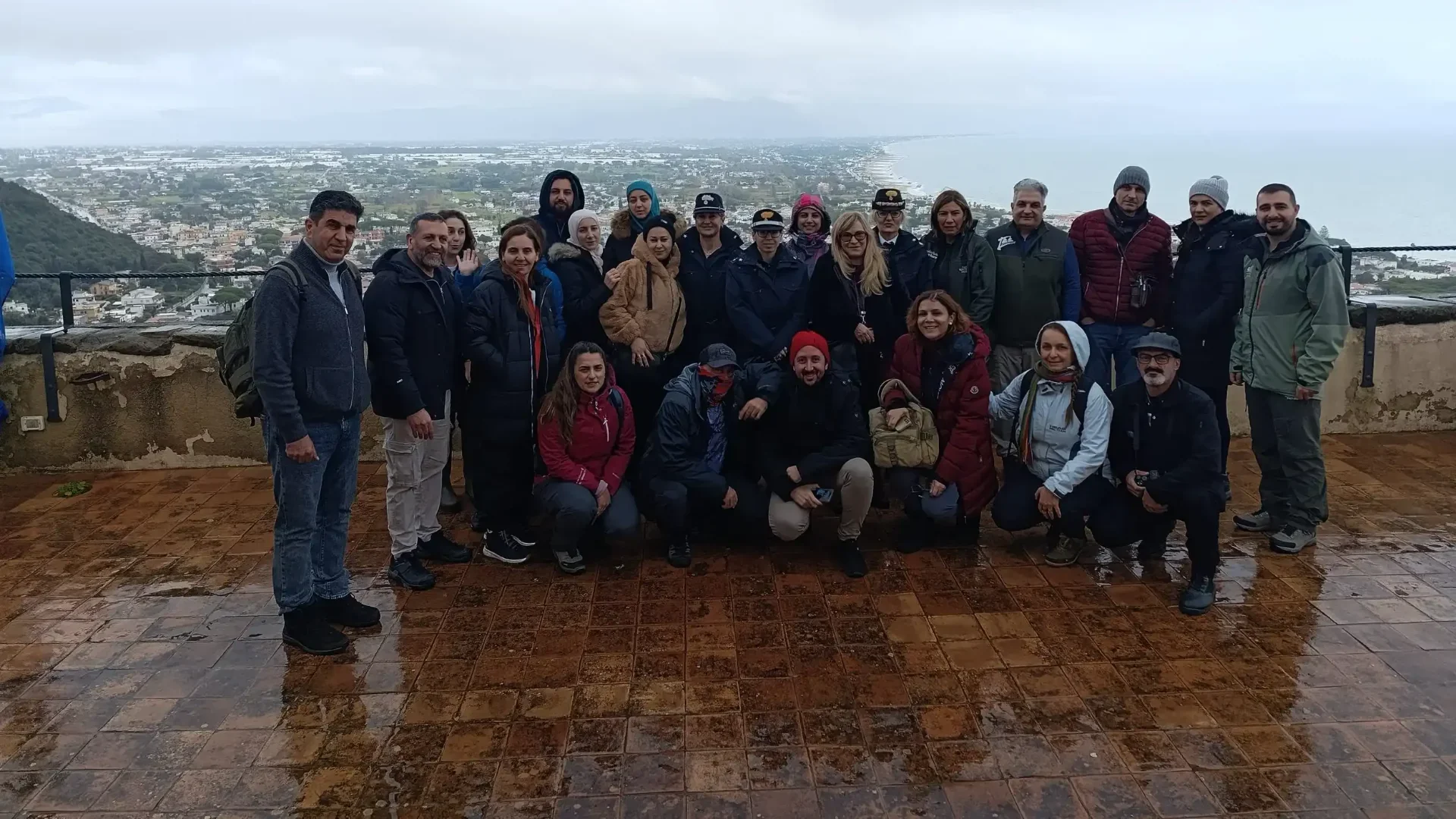
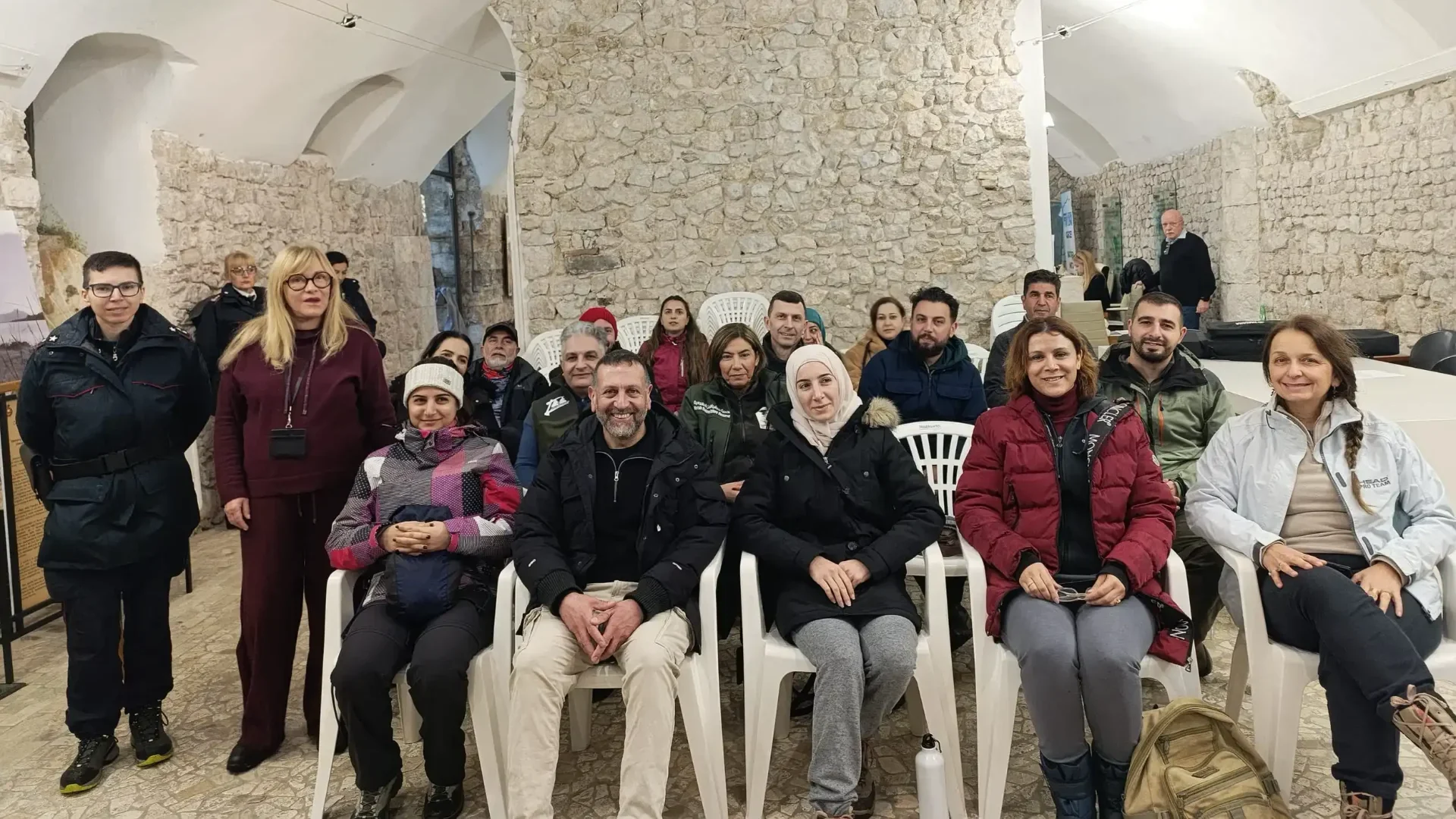
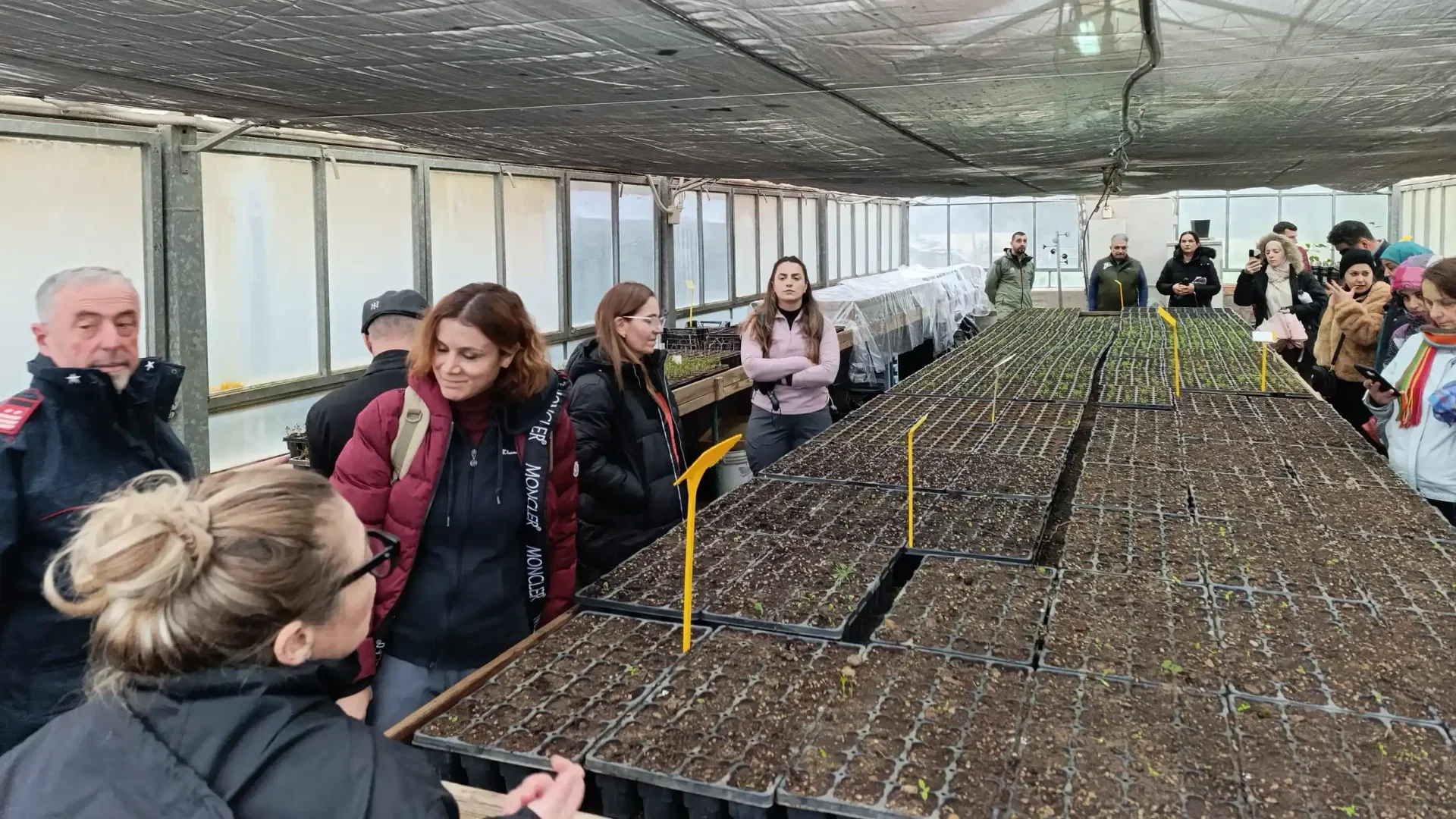
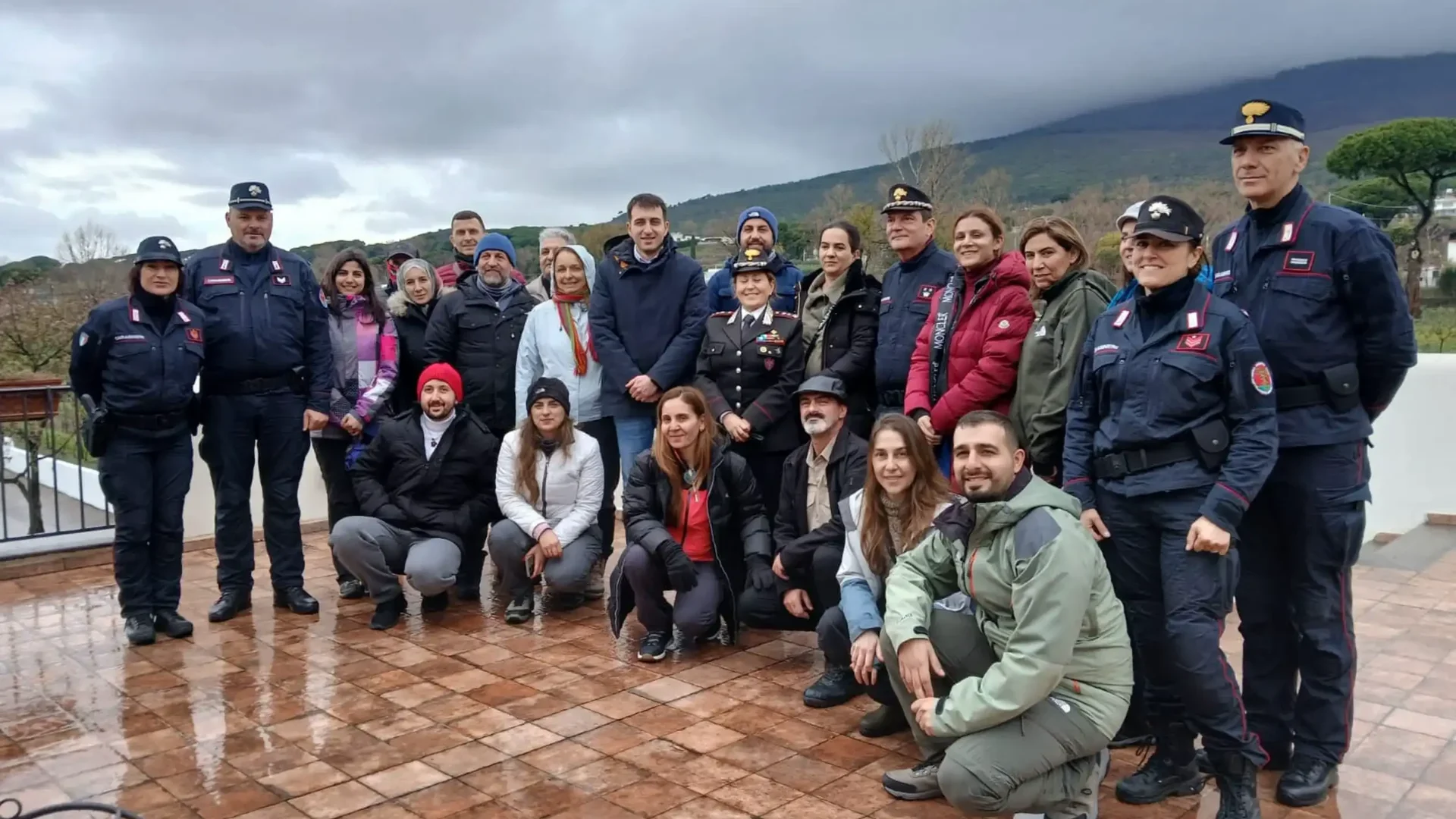
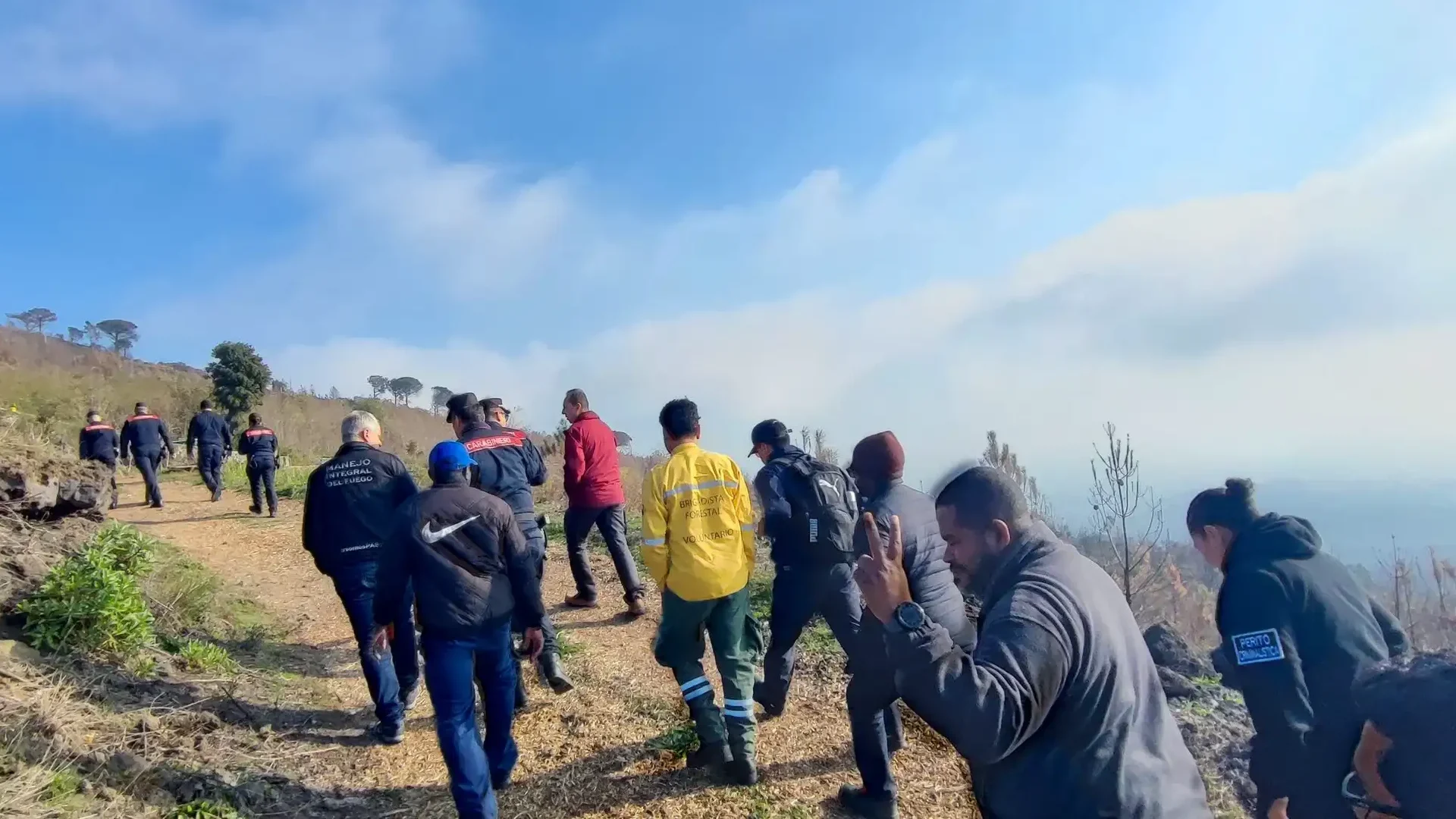
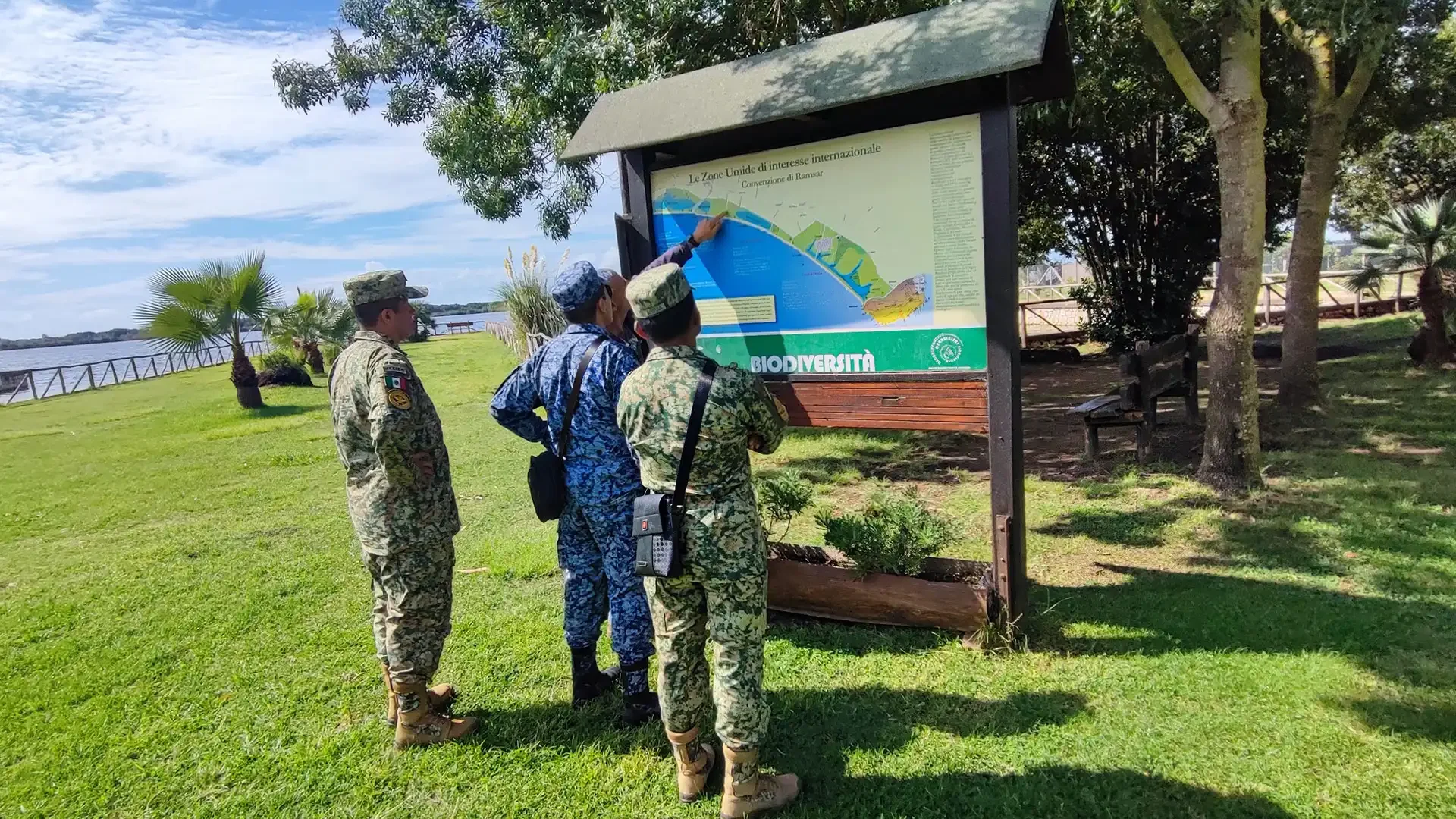
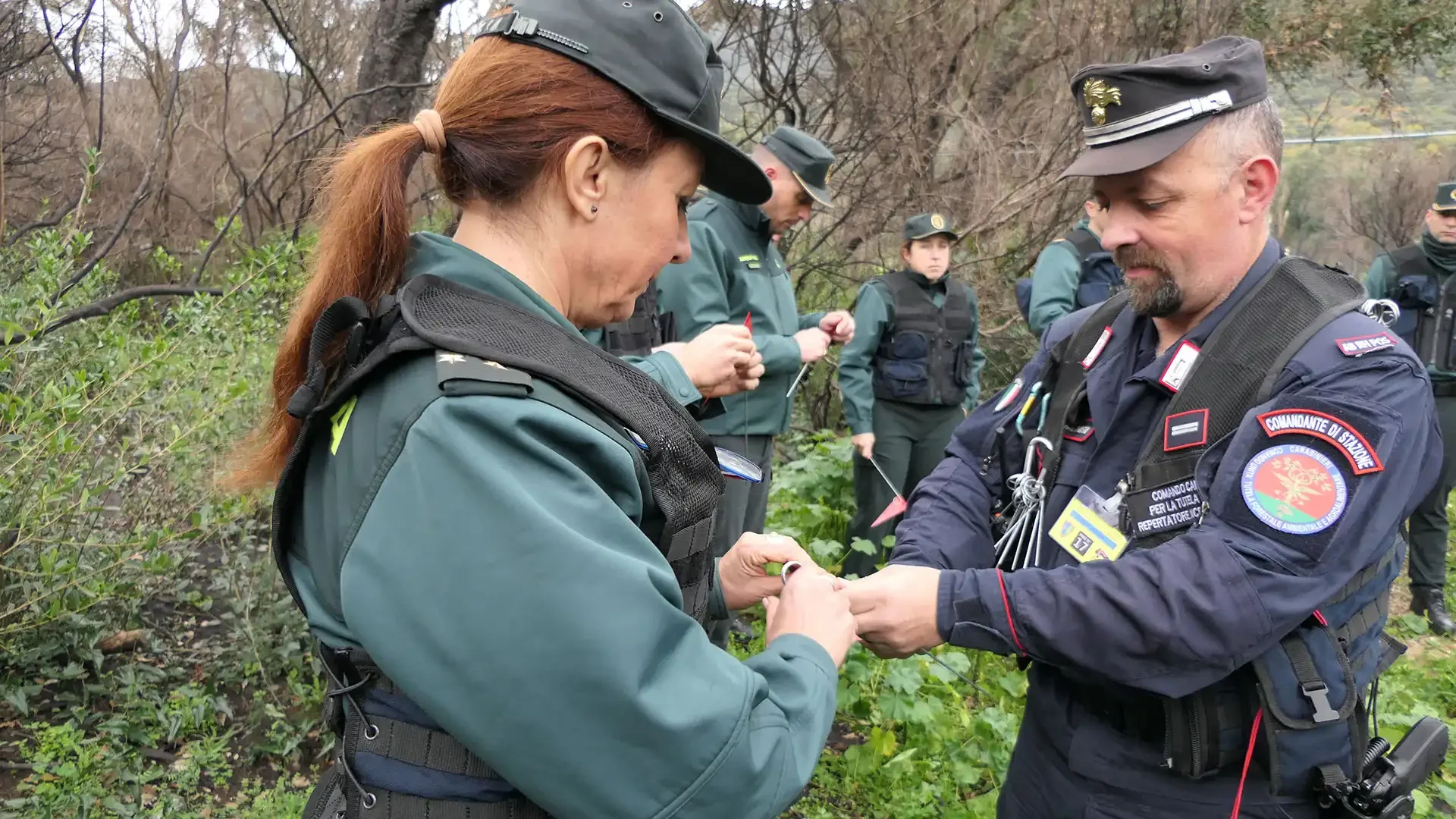
Continuous interaction with trainees, combined with a variety of activities such as case studies, field visits, workshops and practical exercises, integrates theoretical instruction with practical application and forms the foundation of the educational pathway.