
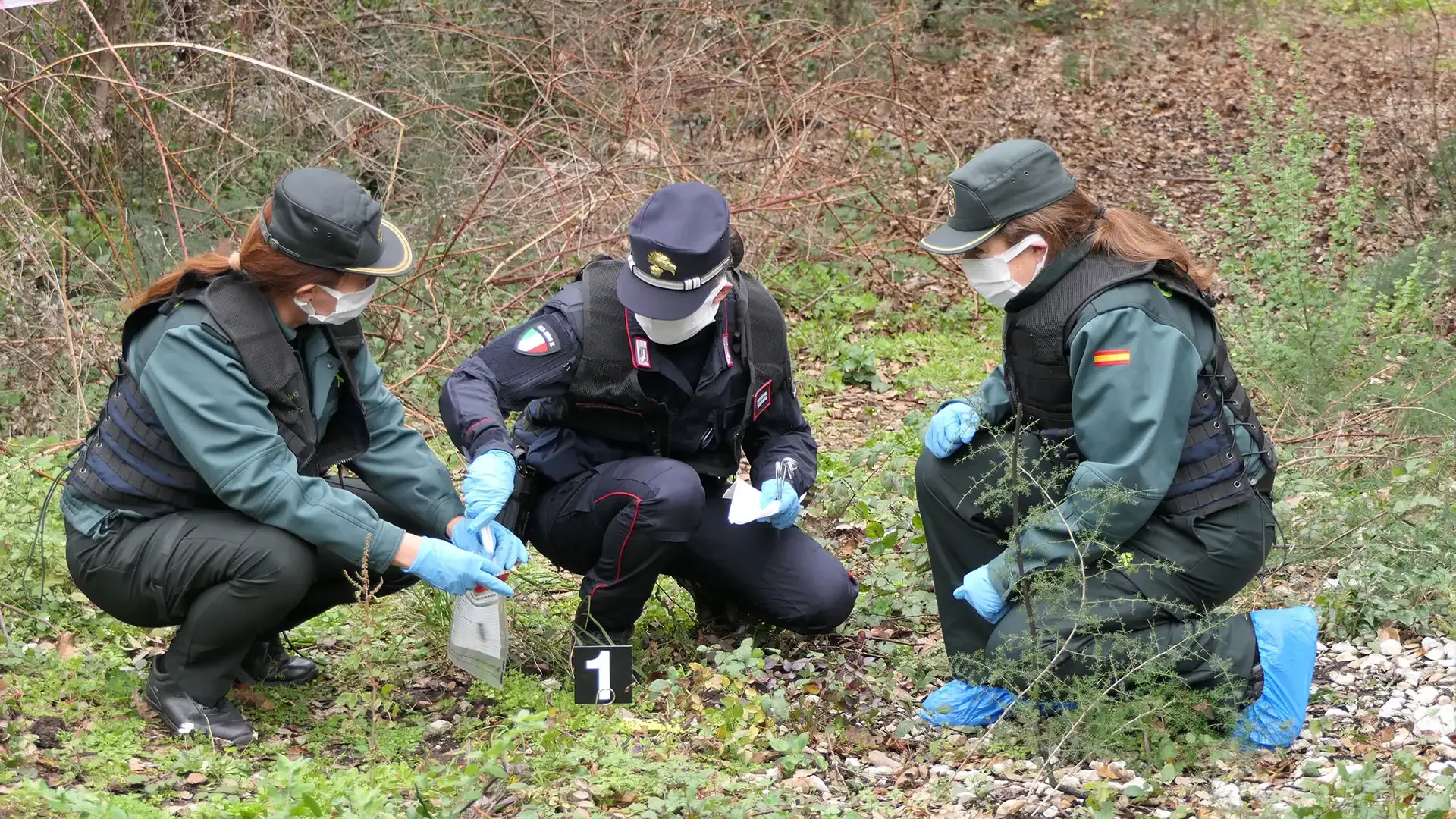
The Carabinieri specialised departments have over time perfected different methods of control and care of the territory to protect environment, biodiversity and forest ecosystems.
LANDSCAPE
The Arma dei Carabinieri implements a range of relevant capabilities to counter all conduct that damages natural reserves: from illicit waste trafficking to uncontrolled waste disposal, from the spillage of industrial wastewaters, to emissions of fumes in the atmosphere, from toxic and hazardous waste buried on land to illicit practices affecting negatively the agri- food production chain, from hydrogeological instability to hydraulic police. At the same time, specific attention is paid to prevention, taking in consideration that the damage to the ecosystem, once caused, is often irreversible and represents a great obstacle to the economic development of communities too. For this reason, the Carabinieri Departments also use highly technological tools to deliver dedicated surveillance services that cover the entire spectrum of the threat.
BIODIVERSITY
Biodiversity makes the planet habitable. The most suitable tool to preserve biodiversity is the establishment and management of an effective system of protected areas. The Arma dei Carabinieri is committed to the surveillance of all National Parks and directly manages 130 State Natural Reserves and 19 state-owned forests, which are precious centers of animal and plant biodiversity. In particular, the management also includes forest engineering activities for the maintenance and improvement of the functionality of forest ecosystems, through the maintenance of paths, the planting of rare plants, the selective felling for the elimination of non-indigenous species, and the interventions of hydraulic-forestry arrangement, stemming hydro-geological instability phenomena. Furthermore, 3 National Carabinieri Biodiversity Centers and 10 for the Rescue of Exotic Wild Animals provide for the care of animals illegally captured, thus preserving their life and reproduction.
For all this, the Arma dei Carabinieri is the Organisation responsible for the implementation of the Convention on International Trade in Endangered Species of Wild Fauna and Flora (CITES), which regulates the trade in endangered animal and plant species, as an international pioneering instrument for the protection of biodiversity.
FORESTAL ECOSYSTEM
The Arma dei Carabinieri monitors the qualitative and quantitative status of forest ecosystems, evaluating the carbon storage capacity (carbon sink) and biodiversity levels, storing data in the National Inventory of Forests and Carbon Tanks(INFC).
The Inventory, in addition to providing a detailed, thorough and scientifically reliable picture of the consistency and characteristics of the national forest heritage, with the quantification of carbon stored in forest ecosystems, certifies the contribution of forests in mitigating the effects of climate change, in compliance with the international commitments undertaken by Italy*.
At the same time, the Carabinieri Forestry Departments are engaged in the prevention of deforestation and fires, to protect the forest heritage and to ensure sustainable use of wood resources.
The Forest Fire Information Unit and forest firefighting representatives constitute a network of experts providing qualified advice in the specific sector and a comprehensive knowledge of the phenomenon, in order to better deliver territory surveillance services and coordinating, on request, assessments and delimitation of burned areas.
As far as illegal logging is concerned, the Carabinieri carry out specific checks, as part of the European Union Forest Law Enforcement Governance and Trade (FLEGT) action plan, to combat deforestation and the illegal timber market.
INNOVATIVE TECHNOLOGY
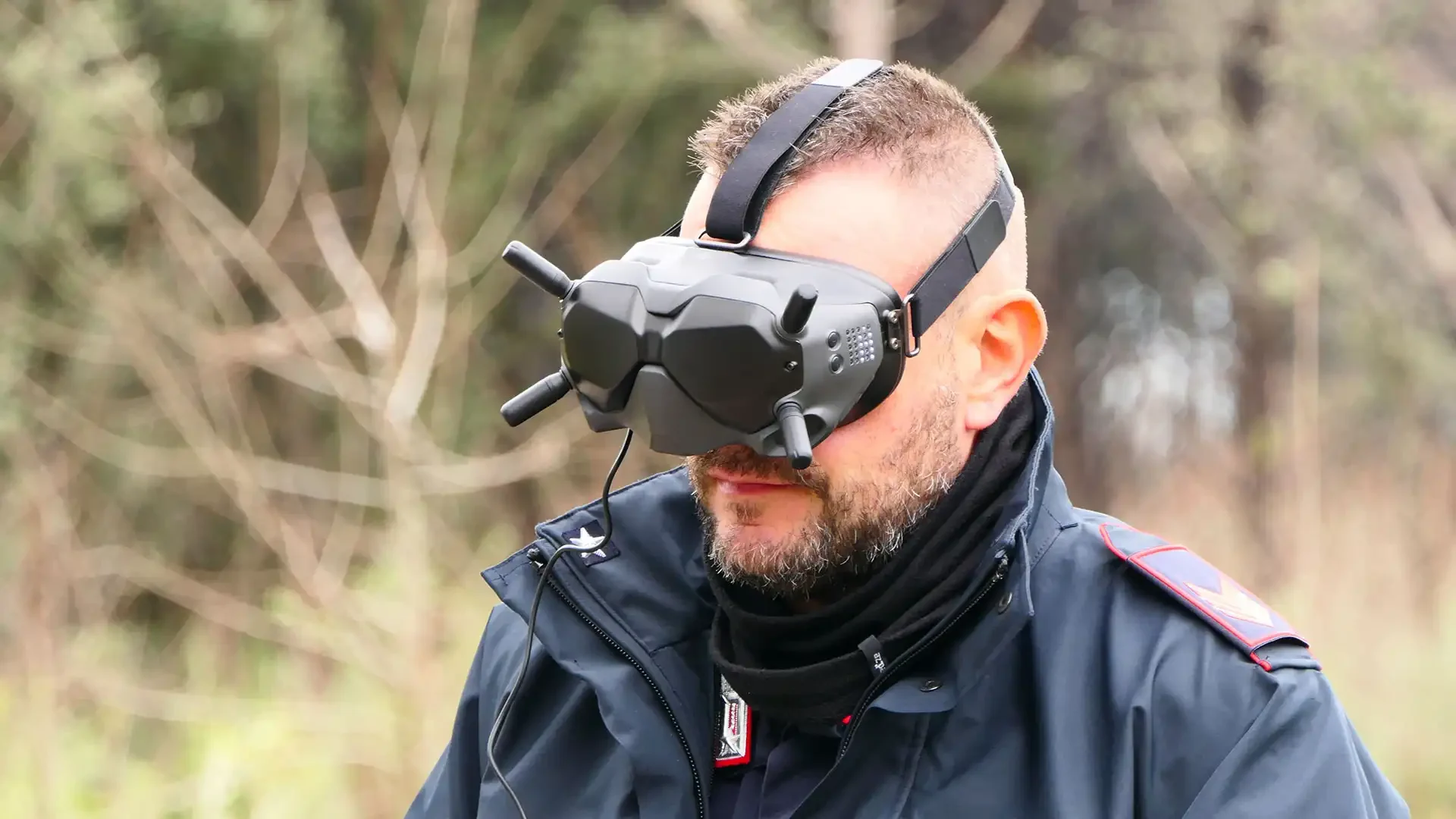
Specialised Carabinieri units for environmental protection are supported by advanced technological tools. Remotely piloted aircrafts are used for aerial photogrammetry activities, in combination with an advanced photo interpretation software that facilitates the identification of fire outbreaks.
Post-fire operational protocols are supported by remote sensing techniques for the assessment of satellite images through the application of algorithms developed to meet this specific need.
The images provided by satellite systems are also exploited for the development of innovative methodologies aimed at detecting multispectral anomalies of the forest ecosystem, thus providing for a prompt mapping of illegal exploitation of forests, hydrogeological instability phenomena, extreme meteorological events damage, as well as parasitic attacks and plant diseases.
*United Nations Convention on Climate Change of 4 June 1992, Kyoto Protocol of 11 December 1997 and Paris Agreement of 12 December 2015.